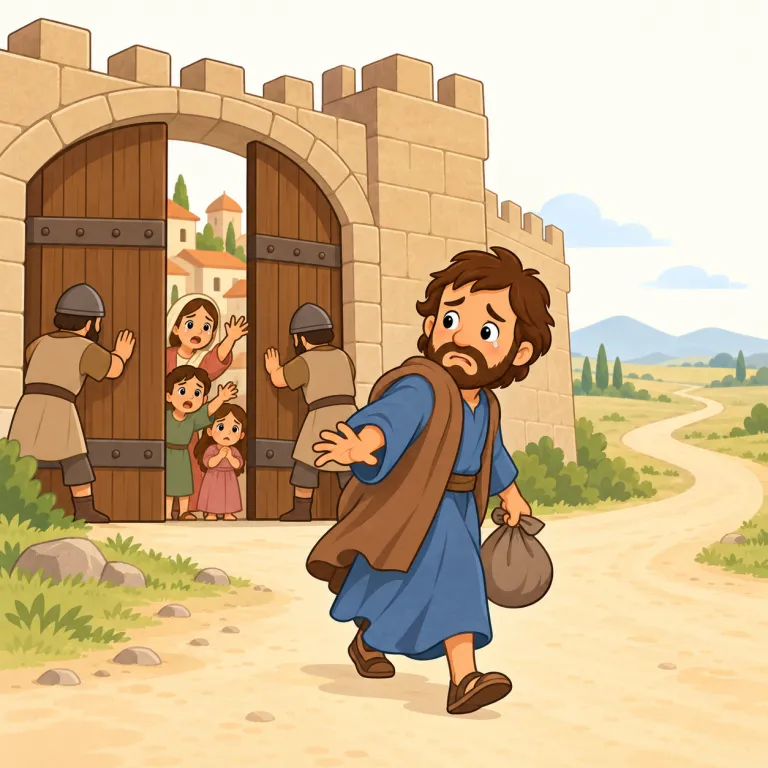
a fate worse than death
死ぬよりつらい運命
解説 Definition
死ぬよりも耐えがたいと思えるほど、ひどく苦しい状況や結末を強調して言う表現。深刻な文脈では屈辱・拘束・喪失などの重大な苦しみを表し、軽い会話では大げさな冗談としても使われる。
An expression used to emphasize a situation or outcome that feels more unbearable than death itself. In serious contexts it can refer to humiliation, captivity, loss, or prolonged suffering; in casual speech it can also be used humorously as exaggeration.
覚え方のコツ Memory Tip
death は普通「最悪の結末」と考えられます。その death より worse な fate と言うことで、屈辱、拘束、孤独、耐えがたい退屈などを最大級に強調します。重い場面では深刻な苦しみを表し、軽い場面では大げさな冗談にもなります。
Death is often treated as the worst possible outcome. Calling something a fate worse than death makes the suffering sound even more extreme, whether seriously or as comic exaggeration.
例文
For him, losing his independence felt like a fate worse than death.
彼にとって自立を失うことは、死ぬよりつらい運命のように感じられた。
She joked that attending another meeting would be a fate worse than death.
彼女は、もう一つ会議に出るなんて死ぬよりつらい運命だと冗談を言った。
The novel presents exile as a fate worse than death.
その小説は追放を死ぬよりつらい運命として描いている。
a fate worse than death の語源・成り立ち Etymology
死を最悪の基準とする宗教的・文学的な発想から広まった表現。19世紀以降、屈辱や重大な苦難を指す劇的な言い回しとして使われ、のちに日常会話の誇張表現にも広がった。
The phrase grew from religious and literary ideas that treated death as the ultimate standard of misfortune. From the nineteenth century onward, it was used dramatically for humiliation or severe hardship, and later broadened into everyday exaggeration.
同じレベルの語彙をもっと
外部辞書で調べる
この英熟語をクイズで覚えよう