空回りする
解説 Definition
字面では「自分のしっぽを追う」を思わせるが、実際には「空回りする」を表す。忙しく動いているのに成果が出ない仕事や議論を表す場面でよく使われ、循環して同じ所に戻る徒労感という含みを持つ。直訳では字面の場面に引っ張られるため、文中では比喩として読む必要がある。
chase one's tail literally suggests to chase one's own tail, but it usually means to be busy but make no real progress. People use it when someone is busy but does not make progress. It often suggests that the effort goes in circles.
覚え方のコツ Memory Tip
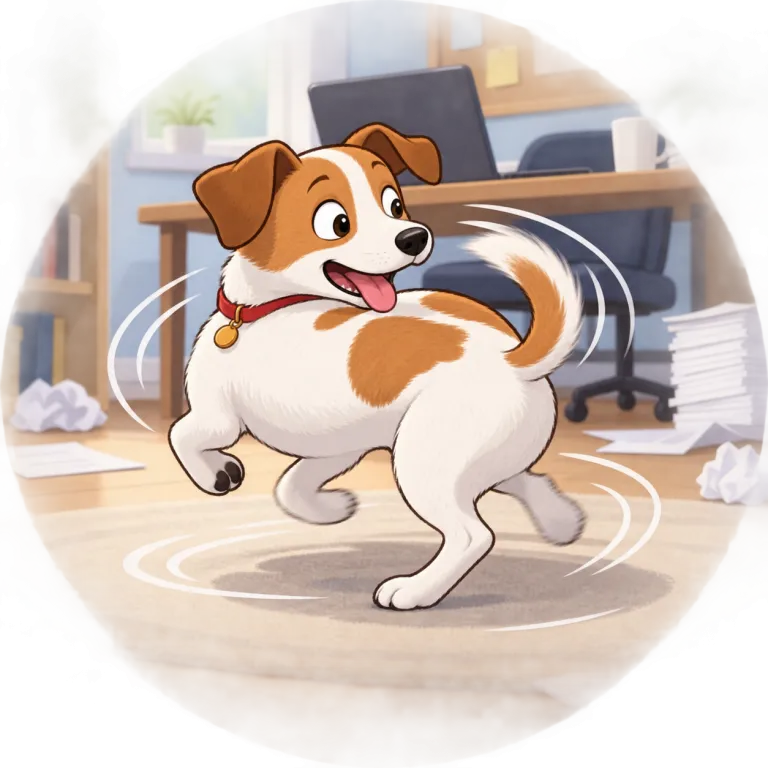
まず字面の場面を映像として置く。犬が自分のしっぽを追ってぐるぐる回り、どこにも進まない場面を思う。そこから chase one's tail が出たら、実物の話ではなく「空回りする」へ意味を移す。stop chasing your tail / feel like chasing my tail と結びつけると、直訳ではなく文脈上の働きで判断しやすい。似た語があっても、焦点はこの表現が運ぶ評価や立場にあると覚える。実際の会話では、前後の評価語や動詞を手がかりに意味を確認する。
Picture the literal scene first: a dog runs in circles after its own tail and goes nowhere. Then connect that picture with to be busy but make no real progress. Words around it, such as busy, circles, and no progress, help you remember the idiomatic meaning instead of a word-for-word reading.
例文
I spent all morning chasing my tail instead of finishing the report.
午前中ずっと空回りして、報告書を仕上げられなかった。
Without a clear plan, the team kept chasing its tail.
明確な計画がないまま、チームは空回りし続けた。
Stop chasing your tail and decide which problem to solve first.
空回りするのはやめて、どの問題を先に解くか決めなさい。
chase one's tail の語源・成り立ち Etymology
動物が自分のしっぽを追い回す姿は動きが多いのに前進がない。そこから成果のない忙しさを表す。字面の具体的な場面が抽象的な状況に移され、現代では「空回りする」を表す慣用句として使われる。具体物から抽象的な人間関係や判断へ意味が移った点が重要である。
The image is an animal chasing its own tail in circles, moving but not progressing. The concrete image later became an idiom for to be busy but make no real progress.
同じレベルの語彙をもっと
外部辞書で調べる
この英熟語をクイズで覚えよう