文脈化する
解説 Definition
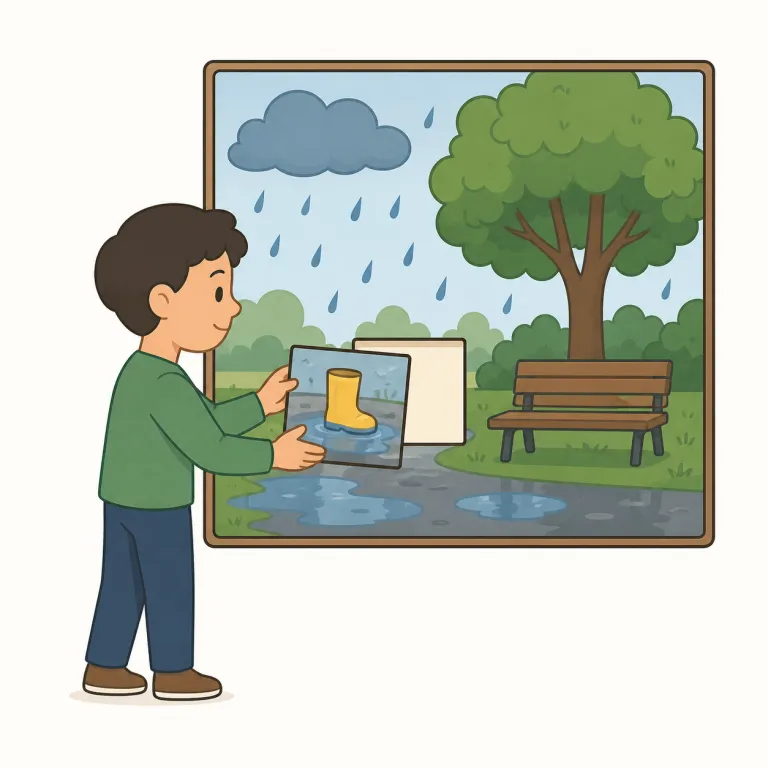
文脈化する(ぶんみゃくかする)、つまり特定の文脈や状況の中に置くこと。情報を背景情報と共に理解する過程。
To contextualize means to explain something by showing the situation, background, or conditions around it. This helps people understand its full meaning more clearly. The word is common in education, writing, history, and social analysis.
覚え方のコツ Memory Tip
context を知っていれば覚えやすい語。まず中心は context「文脈・前後関係」、そこに -ize「〜化する」が付いて『文脈の中に置く』になる。単に explain するのではなく、背景・時代・立場・事情まで添えて意味づけする感じ。歴史やニュース、研究で contextualize an event / the data の形が多く、『バラの情報を周辺情報と一緒に読める状態にする』とイメージすると残る。逆の decontextualize「文脈を外す」と対で覚えるとさらに定着しやすい。
This word becomes easy if you know `context`. Add `-ize`, and it means to put something into context. So instead of giving bare information, you connect it to background, situation, or history. It often appears in phrases like `contextualize an event` or `contextualize the data`, and it contrasts well with `decontextualize`.
例文
We must contextualize the historical event within its time period.
その歴史的な出来事は、当時の状況に照らして理解する必要がある。
To understand the quote, we need to contextualize it properly.
その引用を理解するには、文脈をきちんと踏まえる必要がある。
Experts contextualize the data with relevant background information.
専門家は関連する背景情報を踏まえてデータを位置づける。
contextualize の類義語・関連語
contextualize の語源・成り立ち Etymology
contextualize は context + -ual + -ize「〜化する」から成る。context はラテン語 con-「共に」+ texere「織る」に由来する contextus「織り合わされたもの」で、text や textile と同根。情報をばらでなく織物の中の糸のように位置づけるので「文脈化する」となる。
Contextualize is built from contextual plus the suffix -ize, "to make" or "to put into." Context comes from Latin contextus, literally "a joining together" or "woven together," from con- and texere, "to weave." That image of threads woven into a whole explains how the word came to mean placing something within its surrounding circumstances; related words include text and textile.
同じレベルの英単語をもっと
外部辞書で調べる
この単語を英単語クイズで覚えよう