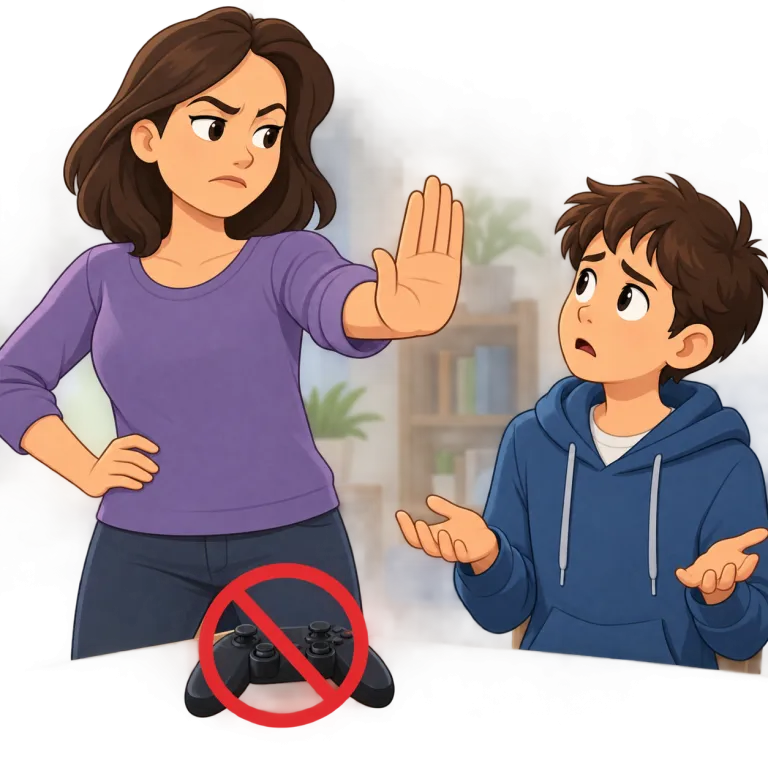
話は終わり
解説 Definition
字面は「物語の終わり」ですが、本義は、議論や説明をこれ以上続ける必要がないという断定です。会話では強い結論、親の命令、交渉を打ち切る場面で使われ、少しぶっきらぼうに響きます。直訳だけで判断せず、場面の含意まで押さえる必要があります。
This idiom means that the matter is finished and there is nothing more to discuss. It is often used after a firm decision or a clear reason. It can sound direct or even a little harsh.
覚え方のコツ Memory Tip
物語なら最後のページを閉じると続きはありません。この表現も同じで、話し手が「もう説明や反論を足さない」と線を引く時に使います。because 節や短い理由の後に置かれ、That's it や period に近い強さがあります。ただし丁寧な議論では硬すぎたり高圧的に聞こえることがあるので、命令、断定、感情的な会話での使い方として覚えるとよいです。代表的な前後の語も一緒に覚えると使いやすくなります。
Think of closing a book at the final page. In the same way, the speaker closes the discussion. It is close to That's it or period, and it often follows a strong reason.
例文
You broke the rule, so you lose the privilege, end of story.
君は規則を破ったのだから、その特典は失う。話はそれで終わりだ。
I don't lend my car to anyone, end of story.
私は誰にも車を貸さない。話はそれで終わりだ。
The report states that safety standards were not met, end of story.
報告書は安全基準が満たされていなかったと述べている。それで話は終わりだ。
end of story の語源・成り立ち Etymology
story の終わりを、議論の終結に重ねた比喩です。物語の結末が出れば続きがないという発想から、説明不要の最終判断を表す口語表現になりました。この背景を押さえると、直訳とのずれも理解しやすくなります。
The phrase uses the end of a story as a metaphor. When a story ends, nothing more is added, so the phrase came to mean final decision.
同じレベルの語彙をもっと
外部辞書で調べる
この英熟語をクイズで覚えよう