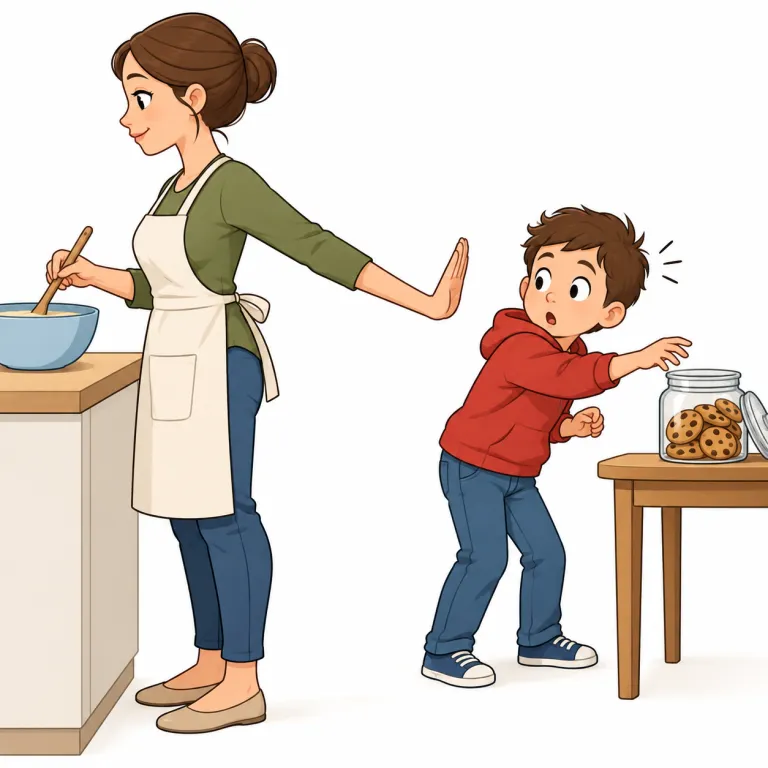
have eyes in the back of one's head
have eyes in the back of one's head を覚えるポイント・使い方
have eyes in the back of one's head は、見ていないはずのことまで気づき「何でも見抜く」という表現。後頭部にも目があるという誇張で、鋭い注意力を表します。
one's は主語に合わせて my、her などに替えます。先生や親が、背後でのいたずらにも気づく場面などで使います。
Our teacher has eyes in the back of her head.
私たちの先生は何でも見抜く。
何でも見抜く
解説 Definition
見ていないはずのことまで気づくほど注意深く、周囲の動きをよく把握していること。教師や親などの鋭い注意力を、少しユーモラスに表す。
This idiom means that someone notices almost everything, even things behind them. The literal image is impossible: eyes on the back of the head. It is often said about parents, teachers, or supervisors.
使い方 Usage
- one's は主語に合わせる。単数なら has eyes in the back of her head、複数なら have eyes in the back of their heads など。 Match the possessive to the subject: has eyes in the back of her head for a singular subject, or have eyes in the back of their heads for a plural subject.
- 親や教師などが、見ていなかったはずの行動にも気づく場面で使う。 Use it when parents, teachers, or others notice actions they apparently could not see.
覚え方のコツ Memory Tip
後頭部にも目があれば、背後の行動まで見逃さない。板書中でも子どものいたずらに気づく先生を想像し、鋭い注意力を表す誇張として覚える。
Imagine a teacher noticing mischief even while writing on the board. Eyes in the back of the head are a humorous image of strong awareness, not real magic.
例文
Our teacher has eyes in the back of her head.
私たちの先生は何でも見抜く。
My mother knew I was sneaking cookies; she has eyes in the back of her head.
母は私がこっそりクッキーを取っていることに気づいていた。何でも見抜くのだ。
Good security staff seem to have eyes in the back of their heads.
優秀な警備員は何でも見抜くように見える。
have eyes in the back of one's head の語源・成り立ち Etymology
人体にはありえない後頭部の目を想像する誇張表現。家庭や学校で、見ていないはずの大人が子どもの行動に気づく経験から、鋭い監督能力の比喩として広まった。そのため現代英語でも、具体的な情景から抽象的な意味を伝える言い方として残っている。
The phrase uses an impossible body image for exaggeration. It grew from everyday situations where adults seem to notice hidden behavior.
同じレベルの語彙をもっと
外部辞書で調べる
この英熟語をクイズで覚えよう