意味一覧 (2件)
に直面して
解説 Definition
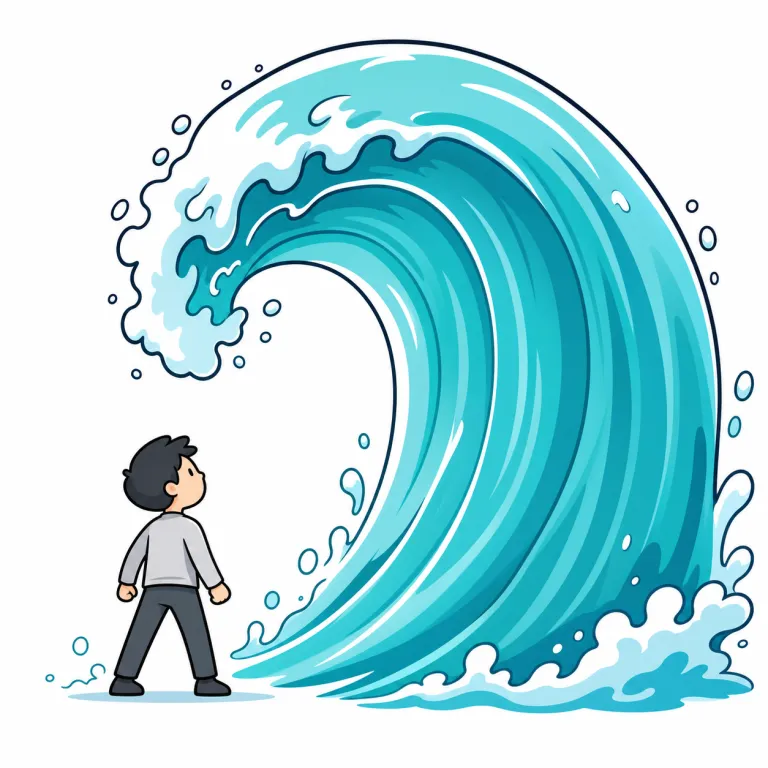
困難や危険に直面している状況で、それにもかかわらずという意味。
This phrase means while dealing with something difficult, challenging, or threatening. It is used to show that someone continues to act even when there is strong pressure or opposition. It often appears in formal or serious contexts.
覚え方のコツ Memory Tip
まず face を「顔」より「向き合うもの」として覚えると入りやすい表現です。in the face of A は、A が目の前に立ちはだかっている場面をひとかたまりで思い浮かべると、「A に直面して、それでも」の感覚が残ります。despite よりも、困難・危険・反対などの圧力を正面から受けている感じが強いのがポイント。in the face of danger / criticism / uncertainty のような相性のよい名詞ごと覚えると定着しやすいです。
Here `face` is not just a part of the body; it is something right in front of you. `In the face of` creates the picture of danger, criticism, or uncertainty standing directly before you. It is stronger than simple `despite` because it feels like real pressure.
例文
In the face of adversity, she remained calm and determined.
逆境に直面しても、彼女は冷静で決然としていた。
The team showed great courage in the face of overwhelming odds.
チームは圧倒的に不利な状況に直面して、大きな勇気を見せた。
In the face of rising costs, the company had to restructure.
コスト上昇に直面して、会社は組織再編を余儀なくされた。
にもかかわらず
(意味 2)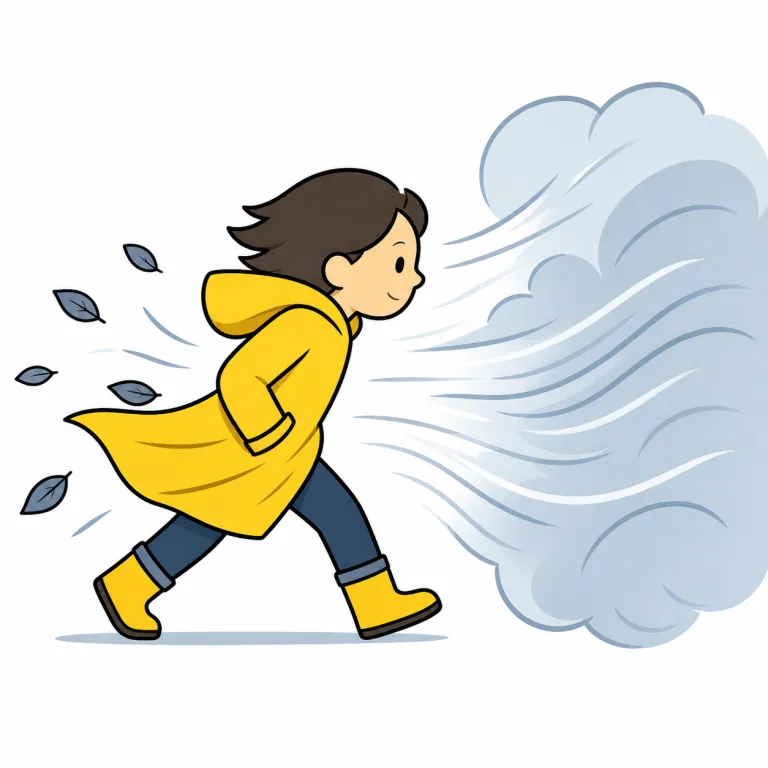
解説 Definition
不利な状況や強い反対、深刻な困難があっても、それに妨げられずに行動や結果が続くことを表す表現。ニュースや評論、スピーチで、逆境の中でも方針や努力を貫いたことを述べるときによく使う。前向きさや粘り強さをにじませることが多い。
This means that an action or result continues despite serious difficulty, opposition, or danger. It often emphasizes determination or persistence under pressure.
例文
In the face of repeated criticism, she continued to defend her proposal.
繰り返し批判されたにもかかわらず、彼女は自分の提案を守り続けた。
In the face of several setbacks, the project was completed on time.
いくつもの支障があったにもかかわらず、その計画は予定どおり完了した。
In the face of clear evidence, he refused to change his opinion.
明白な証拠があるにもかかわらず、彼は意見を変えようとしなかった。
in the face of の類義語・関連語
in the face of の語源・成り立ち Etymology
face は古フランス語を経てラテン語 facies「顔・見える姿」に由来し、in the face of は「その顔を真正面に見る」感覚をもつ。分解すると in + the + face + of で、対象を避けず向き合う感覚から「に直面して」となり、facial や efface に同根がある。
The key word face came into English through Old French from Latin facies, meaning "appearance" or "face." The phrase in the face of originally carries the image of being directly before someone's face or appearance. From that sense of meeting something head-on, it developed into the meaning of confronting or dealing with a situation directly. Related words from the same Latin root include facial and efface.
同じレベルの語彙をもっと
外部辞書で調べる
この英熟語をクイズで覚えよう