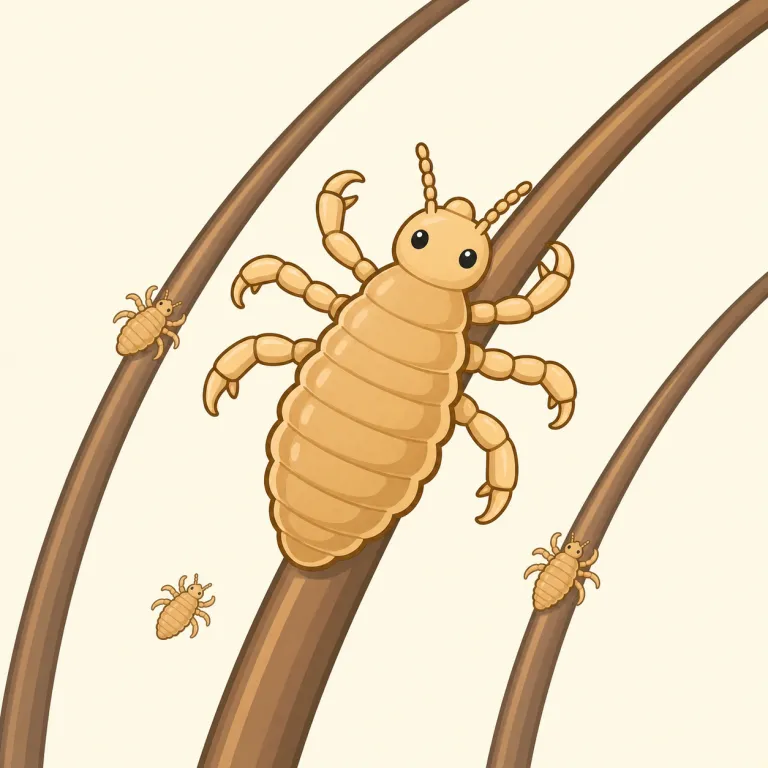
架空のばい菌、伝染病
noun 名詞主に北米の子どもが、触れるとうつると考える架空のばい菌や伝染病を指す。通常は複数形 cooties で、ほかの子をからかったり避けたりする遊びの中で使われる。
シラミ、特に人体に寄生する虫。第一次世界大戦中のスラング。
A cootie is a small insect such as a louse, but in modern everyday English it is more often used by children as a playful imaginary germ. Children may say someone has cooties to tease them or avoid contact. The word is informal and can sound childish or joking.
まず cootie を「戦場で兵士を悩ませたシラミ」として覚えると、この行の語義に合いやすいです。第一次世界大戦の塹壕や軍営では、体につく小さな寄生虫が大きな問題になり、cootie はその俗っぽい呼び名として使われました。後に子ども語で「うつるばい菌っぽい嫌なもの」に広がりますが、ここでは louse に近い具体的な「シラミ・寄生虫」。soldiers, trenches, infestation と結びつけると忘れにくい。
Remember the common form `cooties` too, not only `cootie`. It often sounds like a childish word for nasty little bugs or germs, especially in teasing at school: `catch cooties`. Think of it as less exact than `louse`. It is more about the feeling of something dirty and unwanted on the body.
Soldiers suffered from a cootie infestation in the trenches.
兵士は塹壕でシラミの寄生に苦しんだ。
Cooties were a common problem in military camps.
軍の宿営地ではシラミに悩まされることがよくあった。
The cooties spread rapidly in crowded conditions.
シラミは、人が密集した環境で急速に広がった。
文脈によって、次の意味でも使われます。
主に北米の子どもが、触れるとうつると考える架空のばい菌や伝染病を指す。通常は複数形 cooties で、ほかの子をからかったり避けたりする遊びの中で使われる。
cootie は第一次大戦期の英俗語で、マレー語 kutu「シラミ・吸血虫」にさかのぼるとされます。特定の語根分解はしにくいですが、もともと人に取りつくシラミを指したため、塹壕の兵士が悩まされた寄生虫という語義に直結します。後の子ども語の「ばい菌」感覚は、この具体的な虫の意味から広がったものです。
Cootie is a slang word that became common in English during World War I. It is usually traced to Malay kutu, meaning a louse or other small parasitic insect. It first referred to lice on people, then later widened in children's speech to mean an imaginary dirty or catching bug.
この英単語をクイズで覚えよう