ベビーブーマー
解説 Definition
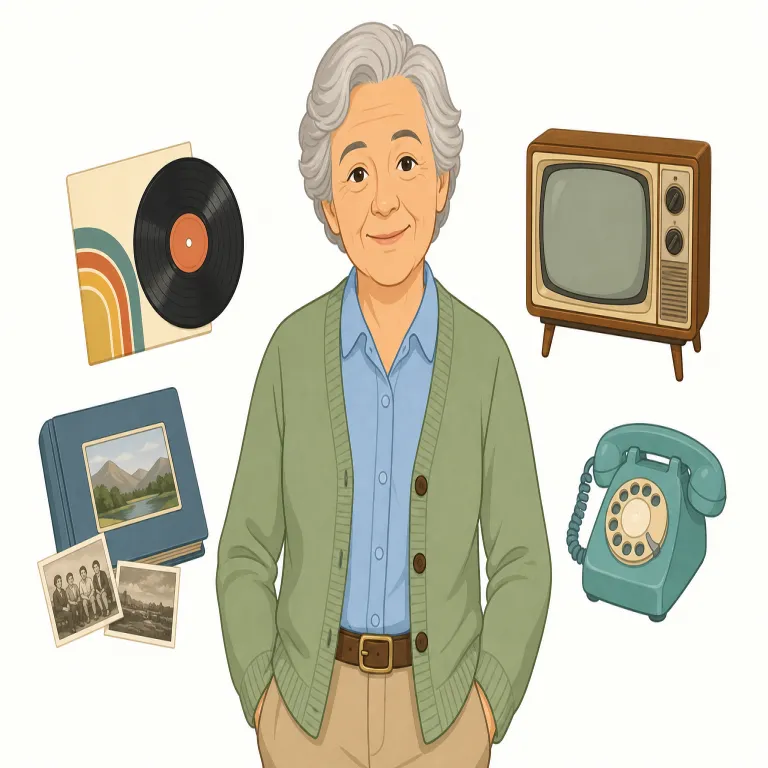
一般に第二次世界大戦後のベビーブーム期に生まれた人、特に米国で1946年から1964年ごろに生まれた世代の人を指します。日本の「団塊世代」とは範囲が異なります。
A boomer usually means a person from the baby boomer generation, born during the period of high birth rates after World War II. It is often used in discussions about age groups, society, or culture. In informal language, it can sometimes sound critical or humorous, so tone matters.
覚え方のコツ Memory Tip
まず boom を「急に増える・どっと膨らむ」と押さえると、boomer は boom + -er で「その急増期に属する人」と見える。実際は baby boomer の省略で出ることが多く、戦後の baby boom 世代を指す語。Gen X や millennial と同じく、まず世代名だと理解すると定着しやすい。boomer voters のように世代ラベルとして使うのが基本で、単に『年配の人』全般を指す語ではない点も一緒に区別すると覚えやすい。
Think of `boom`, meaning a sudden big growth. A `boomer` is a person from the baby boom generation, so the word is tied to that period of fast population growth. Remember it as a generation label, like `Gen X` or `millennial`.
例文
Many boomers are now retiring from their careers.
多くのベビーブーマーが、今では現役を退いています。
The boomer generation witnessed significant social changes.
ベビーブーマー世代は大きな社会の変化を経験した。
Boomers played an important role in shaping modern culture.
ベビーブーマーは現代文化を形作る上で重要な役割を果たした。
boomer の類義語・関連語
派生語
紛らわしい語
boomer の語源・成り立ち Etymology
boomer は boom + -er で、「急増・好景気の時代に属する人」という形です。boom は低く響く音をまねた語から「景気や出生がどっと膨らむ」意味へ広がり、baby boomer は戦後の出生急増期に生まれた世代だと見えてきます。関連語は boom, booming。
"Boomer" is built from "boom" and the suffix "-er," meaning a person connected with something. "Boom" began as an imitation of a deep, loud sound, then widened to mean a sudden rise, especially in business or population. That is how "baby boomer" came to mean someone born during the sharp increase in births after World War II. Related forms include "boom" and "booming."
同じレベルの語彙をもっと
外部辞書で調べる
この英単語をクイズで覚えよう