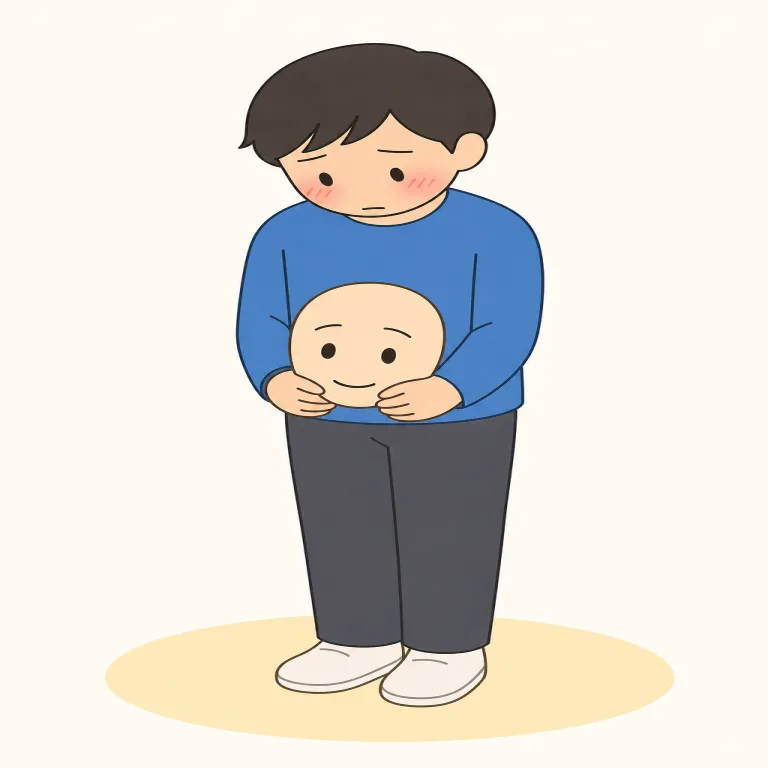
lose face
lose face は英検3級・TOEIC 600レベルの英熟語で、「面子を失う」という意味があります。発音記号は /ˈluːz ˈfeɪs/ です。
面子を失う
解説 Definition
「lose face」は「面子を失う」「恥をかく」という意味で、特に社会的な立場や評判を気にする文脈で使われます。間違いや失敗などによって、人前で体面や評価が傷つくことを表します。
To lose face means to lose respect, honor, or social dignity in front of other people. It is often used in situations where public opinion or reputation is important. The expression is common when talking about embarrassment or shame.
覚え方のコツ Memory Tip
「face」はここでは「顔」そのものではなく、「人前の顔=体面・評判」。だから lose face は「顔をなくす」ではなく「社会的な顔をつぶす」と捉えると残りやすい。反対表現は save face。人前での失敗、批判、拒絶などで立場が傷つく場面でよく使う。embarrassed が一時的な恥を表しやすいのに対し、lose face は周囲からどう見られるかという体面の低下まで含む。
Here `face` is not just the front of your head; it is your public image. So `lose face` means losing respect in other people's eyes. Learn the opposite too: `save face`.
例文
He refused to resign because he did not want to lose face in front of colleagues.
彼は同僚の前で面子を失いたくなかったので辞任を拒んだ。
She may lose face after this mistake.
彼女はこの失敗で面子を失うかもしれない。
I corrected him in private so he would not lose face in front of the team.
彼がチームの前で面子を失わないように、私は二人きりのときに彼の間違いを指摘した。
lose face の語源・成り立ち Etymology
「lose face」は19世紀に中国語の「丟臉(diūliǎn)」から英語に借用された表現。faceはラテン語facies(顔・外見)が語源で、フランス語を経て英語に入った。中国文化の「面子」概念が英語圏に広まり、lose face(面目を失う)/ save face(面目を保つ)として定着した。
"Lose face" entered English in the 19th century under the influence of Chinese expressions about losing social respect or dignity. Face itself came through French from Latin facies, meaning "appearance" or "outward form." The phrase changed the literal idea of the face into a social image, which also explains the related expression "save face."
同じレベルの語彙をもっと
英検3級の一覧へ →外部辞書で調べる
この英熟語をクイズで覚えよう