facies
facies はTOEFL 100・IELTS 7.5レベルの英単語で、「地質相、特徴的顔貌」という意味があります。発音記号は /ˈfeɪʃiːz/ です。
意味一覧 (2件)
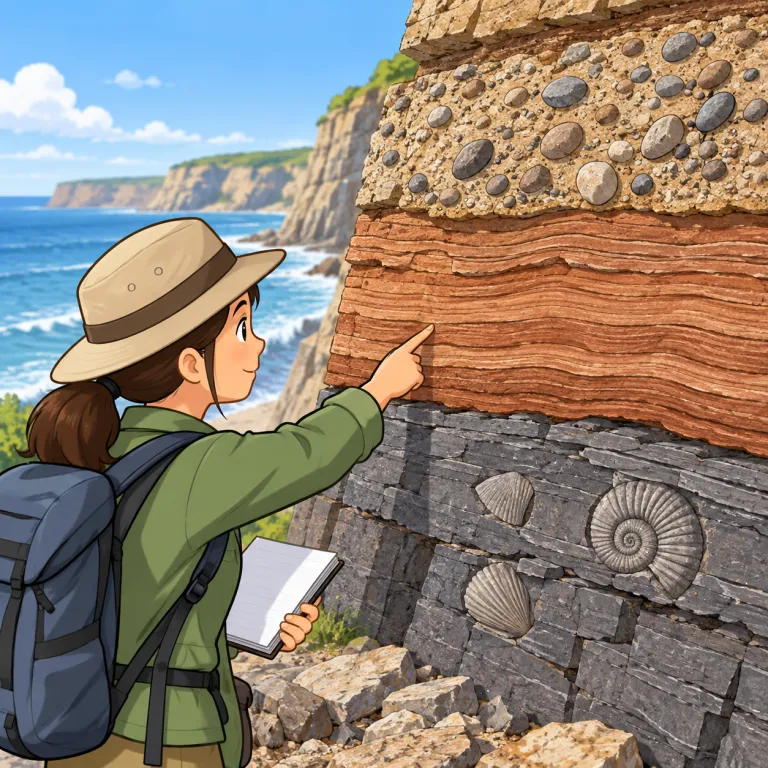
地質相
解説 Definition
地質学で、岩石や地層に見られる特徴のまとまりを指します。組成、構造、化石などの特徴に基づいて地層を分類し、形成された環境を考えるときに用いる専門語です。
In geology, a facies is a set of characteristics by which a body of rock or sediment is recognized and interpreted. Geologists use facies to classify deposits and understand their formation environments.
覚え方のコツ Memory Tip
facies は地質学で、岩石や地層が示す特徴のまとまりを指す専門語です。sedimentary facies「堆積相」や limestone facies「石灰岩相」のように、岩質・構造・化石などから分類します。その特徴を手掛かりに、浅い海など地層ができた環境を読み解く場面を思い浮かべましょう。
Connect facies with face: a face is an outward appearance, while a geological facies is the characteristic appearance and feature set of rock or sediment. Remember that it names a geological pattern, not a particular kind of rock.
例文
The geologist identified three sedimentary facies in the exposed cliff.
地質学者は露出した崖で三つの堆積相を特定した。
This limestone facies formed in a shallow marine environment.
この石灰岩相は浅い海の環境で形成された。
The facies changes gradually from sandstone to shale across the basin.
その地質相は盆地を横切るにつれて砂岩から頁岩へ徐々に変化する。
特徴的顔貌
(意味 2)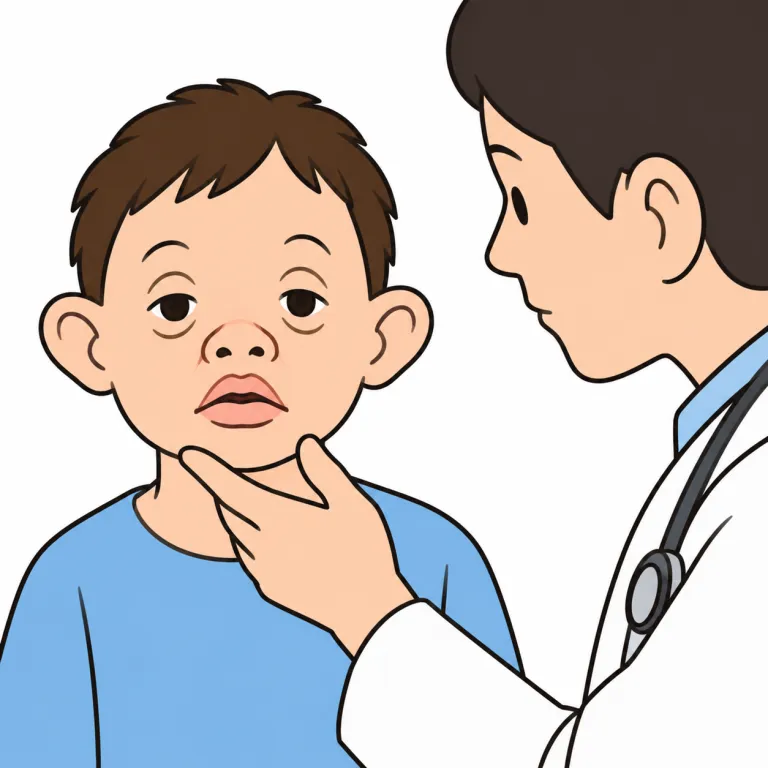
解説 Definition
医学で、病気や症候群などに伴って現れる特徴的な顔つきを指します。単なる「顔」ではなく、診察や診断の手掛かりとして捉えられる顔貌を表す専門語です。
In medicine, facies means a characteristic facial appearance, especially one associated with a disease, syndrome, or clinical condition. It refers to an observed diagnostic pattern rather than simply a person's face.
覚え方のコツ Memory Tip
医学の診察で、病気や症候群に伴う特徴が表れた「顔貌」を指す専門語です。characteristic facies や distinctive facies の形で、医師が診断の手掛かりとして顔つきを観察する場面を思い浮かべましょう。日常的な「顔」一般を意味する face とは使い分けます。
Link facies to face. In medical contexts, it means the characteristic look of a patient's face that may provide a clinical clue, not merely the face itself.
例文
The patient had the characteristic facies associated with the syndrome.
その患者には、その症候群に伴う特徴的な顔貌が見られた。
The physician noted a distinctive facies during the examination.
医師は診察中に特徴的な顔貌を認めた。
Changes in the patient's facies prompted a more detailed assessment.
患者の顔貌の変化を受けて、さらに詳しい評価が行われた。
facies の語源・成り立ち Etymology
ラテン語facies「外見、姿」に由来します。目に見える特徴という基本的な考えが、地質学で岩石や地層の特徴的な様相を表す用法につながっています。
Facies comes from Latin facies, meaning “appearance” or “form.” Its geological use preserves the basic idea of a characteristic outward aspect or set of observable features.
同じレベルの語彙をもっと
TOEFL 100の一覧へ →外部辞書で調べる
この英単語をクイズで覚えよう