意味一覧 (4件)
音符
解説 Definition
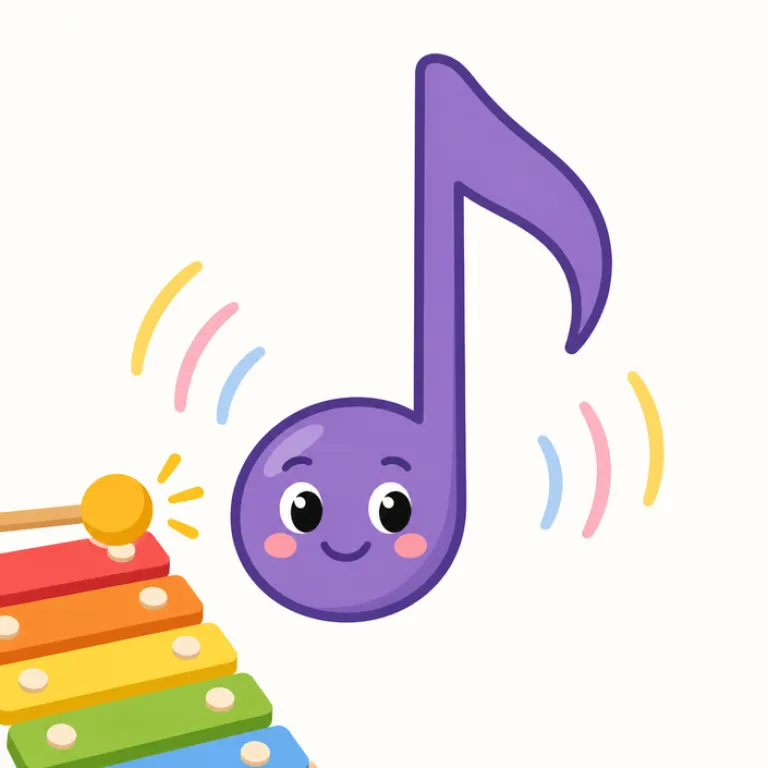
音楽で使われる一つ一つの音を表す記号、またはその音自体を指す名詞。楽譜の上では高さや長さが示され、演奏や歌唱では「ある音を出す・伸ばす」という意味でも使われる。
A note is a single sound in music, shown by a written symbol. Musicians use notes to read, write, and play melodies and rhythms. In music, this word can mean both the sound and the symbol for it.
覚え方のコツ Memory Tip
note は「メモ」だけでなく、「音を書き留めた印」と見ると音符の意味がつかみやすいです。楽譜の上に置かれた一つ一つの note が、どの高さの音をどれくらい出すかを示します。music note ならそのまま音符、play a note なら一つの音を鳴らす感覚。sound は一般的な音、tone は音色・調子なので、note は「楽譜で一つずつ数えられる音のしるし」と押さえると混同しにくいです。
Think of a musical note as one small unit inside a song, like one mark on sheet music. Learn it with common pairs: play the right notes, sing a high note, hold a note. Compared with sound or tone, note feels more like a countable part of music.
例文
The student struggled to read the notes on the sheet music.
その生徒は楽譜の音符を読むのに苦労した。
The pianist played each note with great care and precision.
そのピアニストは一つ一つの音を丁寧かつ正確に弾いた。
She held the final note for a full five seconds, impressing the audience.
彼女は最後の音を5秒間伸ばし、観客を感心させた。
メモ
(意味 2)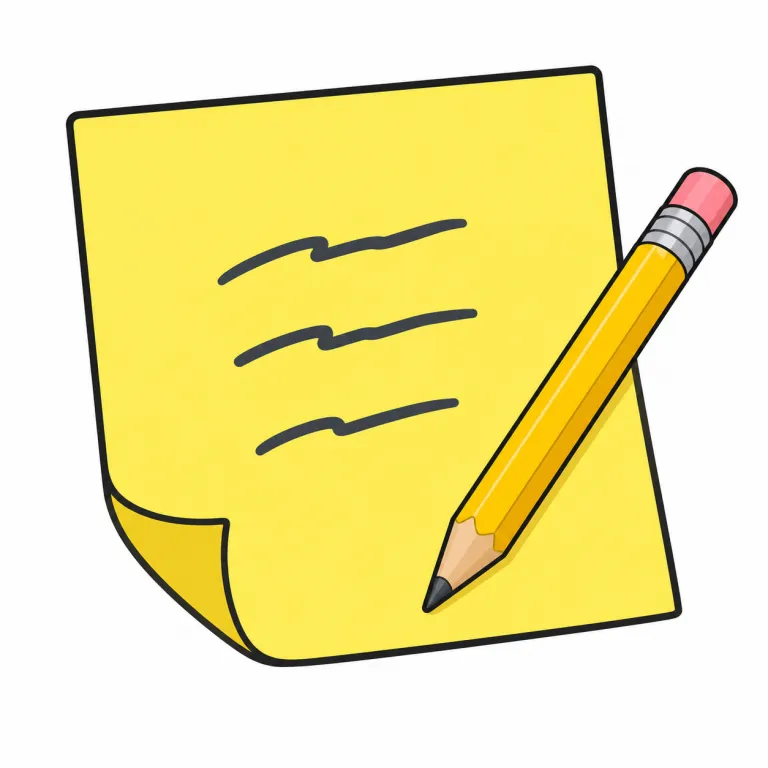
解説 Definition
後で確認したり忘れないようにしたりするために、短く書き留めた内容を指す。授業や会議、電話の要点を書いた紙やデジタル上の記録など、日常の実用的な場面で広く使う。正式な文書より簡潔で個人的な記録を表すことが多い。
This is a short written record or message used to remember information or communicate something briefly. It can be on paper or stored digitally and is usually less formal than an official document.
覚え方のコツ Memory Tip
note は「長い文書ではなく、忘れないために要点だけ残す短い記録」と場面ごと覚えると定着しやすい語です。身近な notebook も、そうした note を書きためる物。授業や会議では take notes「メモを取る」、冷蔵庫などに伝言を残すなら leave a note、荷物に添えるなら an attached note が定番です。「印を残し、後で自分や相手が気づけるようにする」という一枚の紙や短いデジタル記録を思い浮かべると、正式な文書との違いもつかめます。
Picture a notebook filled with short reminders and key points. Connect "take notes" with recording important information and "leave a note" with putting a brief written message where someone will find it.
例文
I left a note on the fridge.
冷蔵庫にメモを残した。
She took notes during the lecture.
彼女は講義中にメモを取った。
Please read the note attached to the package.
荷物に付いたメモを読んでください。
気づく
(意味 3)
解説 Definition
何かを見聞きしてその存在や変化に気づくことを表し、重要点として意識しておくという含みもある。会話でも文章でも使えるが、やや客観的に確認したり、注意点として取り上げたりする場面でよく用いられる。文章では『〜と指摘した』のような意味にもなる。
To observe something and consciously register its presence or importance. It is often used when checking details or drawing attention to a fact, including pointing something out in speech or writing.
覚え方のコツ Memory Tip
note は「心の中で印をつける」と考えると、「気づく・留意する」の意味が覚えやすいです。音楽の note「音符」ではなく、見聞きしたことに小さな印を付けて意識に残す動詞です。I noted a strange smell なら変なにおいを認識した、Please note the deadline なら締め切りに注意しておく。notice より少し客観的で、文章では「指摘する」にもつながります。
Imagine putting a small mark in your mind beside something you observe. "Please note the deadline" asks you to pay attention to it, while "She noted that..." can introduce a fact she observed or pointed out.
例文
I noted a strange smell in the room.
部屋の変なにおいに気づいた。
Please note the deadline on the form.
用紙に書かれた締め切りに留意してください。
She noted that the numbers were wrong.
彼女は数字が間違っていると指摘した。
紙幣
(意味 4)
解説 Definition
紙でできたお金、つまり札を指す名詞。特にイギリス英語では banknote を短く note と言うことが多く、five-pound note のように額面と合わせて使われる。硬貨ではなく、持ち運ぶ現金の一枚一枚を数える場面で自然に使う。
This is a single piece of paper money with a particular value. The word is especially common in British English and often follows an amount of money.
覚え方のコツ Memory Tip
note は「メモ」だけでなく、banknote の短い形として「紙幣」も押さえると整理しやすい語です。核は「書かれたしるし・文書」で、銀行が支払いを約束して印刷した一枚の紙が bank note、つまり note になります。ten-dollar note / five-pound note のように額面と一緒に出てきたら、音符やメモではなく財布の中の札。coin が硬貨なら、note は紙でできた現金の一枚、と切り分けると覚えやすいです。
Connect note with the longer word banknote, and picture one in your wallet. In "a five-pound note," the amount tells you that the word refers to money; a coin is the metal alternative.
例文
He paid with a ten-dollar note.
彼は10ドル紙幣で支払った。
She pulled a note from her wallet.
彼女は財布から紙幣を1枚取り出した。
The machine does not accept large notes.
その機械は高額紙幣を受け付けない。
note の類義語・関連語
類義語
対義語
note の語源・成り立ち Etymology
noteはラテン語nota「しるし・書き留めた印」が古フランス語noteを経て入った語。もとは「印を付けて示すもの」なので、音楽では音の高さや長さを示す印、つまり音符の意味になった。notationやdenoteにも同じく「印して示す」感覚がある。
"Note" comes from Latin "nota," meaning "a mark" or "sign," through Old French "note." It first meant something marked down to help memory, then came to mean a short written record. Related words like "notation" and "denote" keep the same idea of marking or showing.
同じレベルの語彙をもっと
外部辞書で調べる
この英単語をクイズで覚えよう