play
play は英検5級・英検7級レベルの英単語で、「遊ぶ、演奏する、演じる、スポーツをする」という意味があります。発音記号は /ˈpleɪ/ です。
意味一覧 (4件)
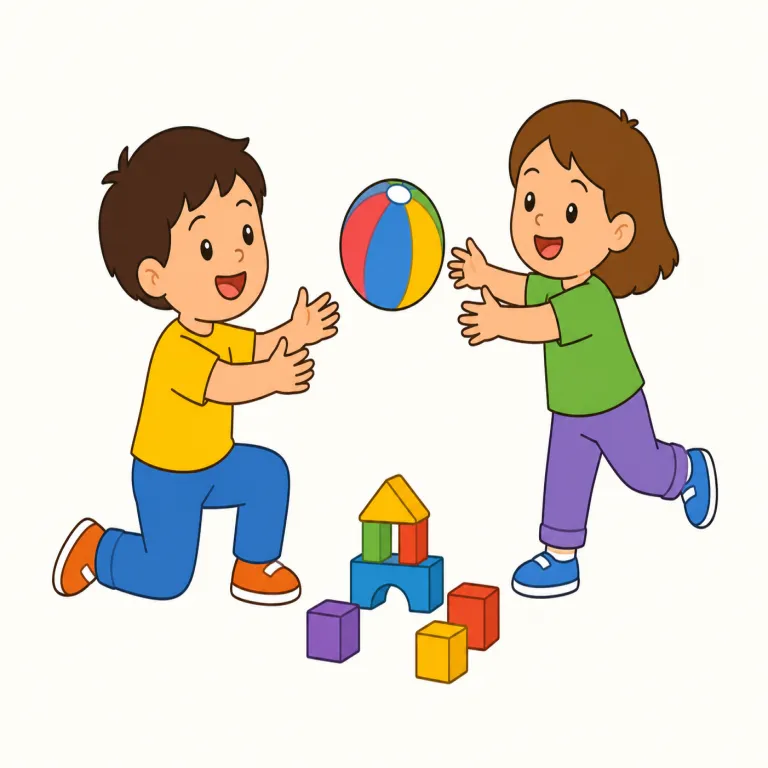
遊ぶ
解説 Definition
人が楽しみのために活動したり、子どもがおもちゃや友だちと時間を過ごしたりするときに使う。勉強や仕事ではなく、気楽に楽しむ場面でよく用いられ、ゲームで遊ぶ場合にも使える。外で遊ぶ、友だちと遊ぶのように、日常会話で非常に基本的な語。
To spend time doing enjoyable activities, often with toys, games, or friends. This verb commonly describes what children do for fun during their free time.
覚え方のコツ Memory Tip
play はまず「楽しみのために自由に動く」と考えると、「遊ぶ」が自然に入ります。子どもが公園で走る、友だちとゲームをする、カードで遊ぶ、どれも勉強や仕事ではなく楽しむ活動です。play in the park, play with friends, play cards をまとめて覚えると日常場面で使いやすくなります。play the piano のように楽器が続くと「演奏する」なので、目的語が music や piano なら別語義、と切り分けると混同しません。
Picture children moving freely and having fun with toys or friends. Connect that image with play in the park, play with friends, and play cards. These phrases help you remember activities done for enjoyment.
例文
I play with my dog.
私は犬と遊びます。
We play in the park.
私たちは公園で遊びます。
Children play after school.
子どもたちは放課後に遊びます。
えいたんごクイズでの正答率
この語をはじめて出題された 30人 のうち 29人 が正解しました(97%)。
えいたんごクイズの回答から集計した独自データです。1人につき最初に出題されたときの1回だけを数えており、復習や2回目以降の回答、「わからない」と時間切れは含みません。 集計時点は 2026年9月19日 です。
演奏する
(意味 2)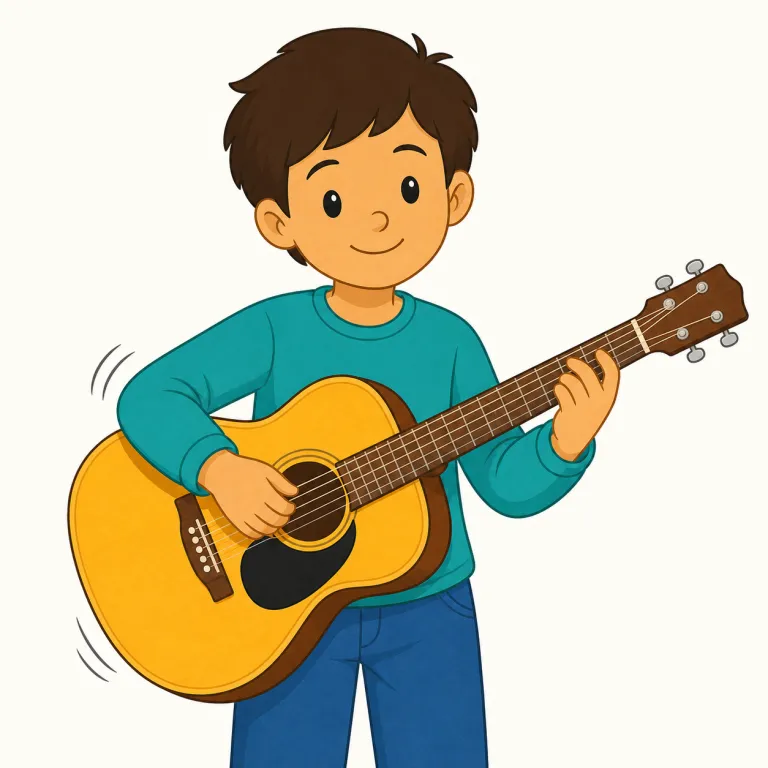
解説 Definition
楽器を弾いたり、音楽を奏でたりすることを表す動詞。ピアノ、ギター、バイオリンなどの楽器を演奏する場合のほか、曲や音楽を演奏する意味でも使われる。スポーツや遊びの「play」ではなく、音楽に関する用法を指す。
Play can mean to perform music on an instrument, such as a piano or guitar. It can also mean to take part in a game, sport, or fun activity. The meaning depends on the context, so it is a very common and flexible verb.
覚え方のコツ Memory Tip
基本の play=「遊ぶ」を知っていれば、音楽の play も「音を相手に自由に動かす」感覚でつなげると覚えやすい。楽器を目的語にして play the piano / play the guitar、曲なら play a song や play music。文中に piano, violin, music などがあれば「演奏する」の可能性が高い。listen to music は「聴く」、sing は「歌う」なので混同しない。practice the piano は練習、play the piano は実際に弾く、という違いも一緒に押さえると定着しやすい。
If you already know `play` as "play a game," extend that idea to music: you make sounds move freely with an instrument. It is very common with instruments, as in `play the piano` or `play the guitar`. Keep it separate from `sing` and from `practice`, which focuses on training, not performing.
例文
She plays the piano.
彼女はピアノを弾きます。
They played music at school.
彼らは学校で音楽を演奏しました。
He plays the guitar every day.
彼は毎日ギターを弾きます。
演じる
(意味 3)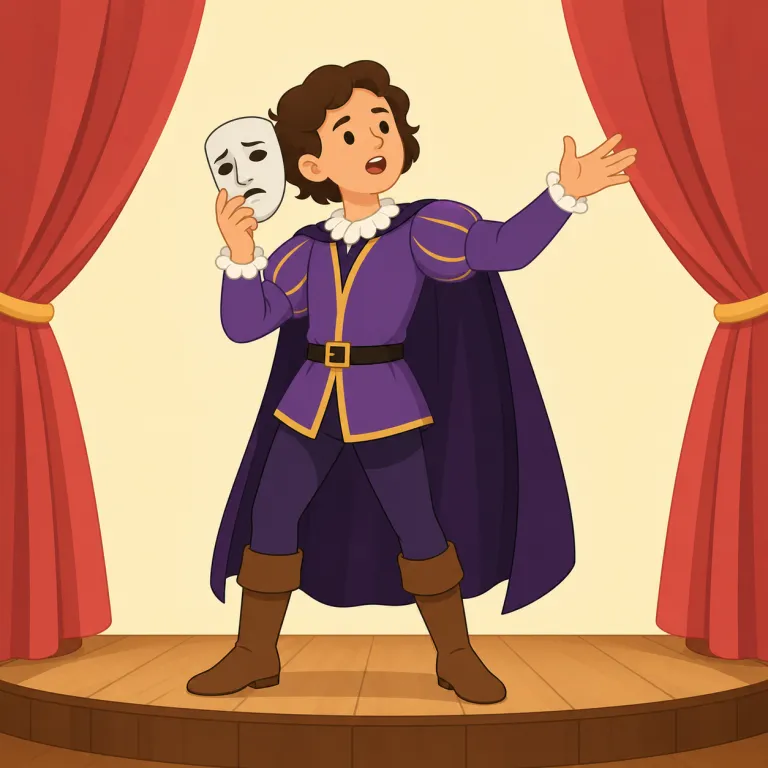
解説 Definition
劇や映画で役を受け持ち、その人物になって表現するときに使う。play Hamlet や play the king のように、特定の役柄を務める言い方が典型的。俳優が舞台や映像作品で役をこなす場面でよく使われ、楽器を演奏する意味や、ただ遊ぶ意味とは別の用法。
To take the part of a particular character in a stage production, film, or television show. This verb is usually followed by the character's name or role.
覚え方のコツ Memory Tip
基本の play=「動いて何かをする」を知っていれば、劇の play も「役の中で動く」感覚でつなげると覚えやすい。play Juliet / play the king のように役名や人物名を目的語にすると「演じる」。文中に movie, drama, role, character などがあれば、楽器を弾く意味ではなく役を務める可能性が高い。play the piano は「演奏する」、play soccer は「スポーツをする」なので混同しない。actor が play a role なら、その人物になって表現する、という違いを押さえると定着しやすい。
Picture an actor moving and speaking as a character on stage. Learn play Juliet and play the king to connect the verb with a character's name or role. Words such as actor, movie, and character help you recognize this sense.
例文
She played Juliet in the school play.
彼女は学校の劇でジュリエットを演じた。
He wants to play the hero in the movie.
彼はその映画で主人公を演じたいと思っている。
Who played the doctor on TV?
テレビでその医者の役を演じたのは誰ですか。
スポーツをする
(意味 4)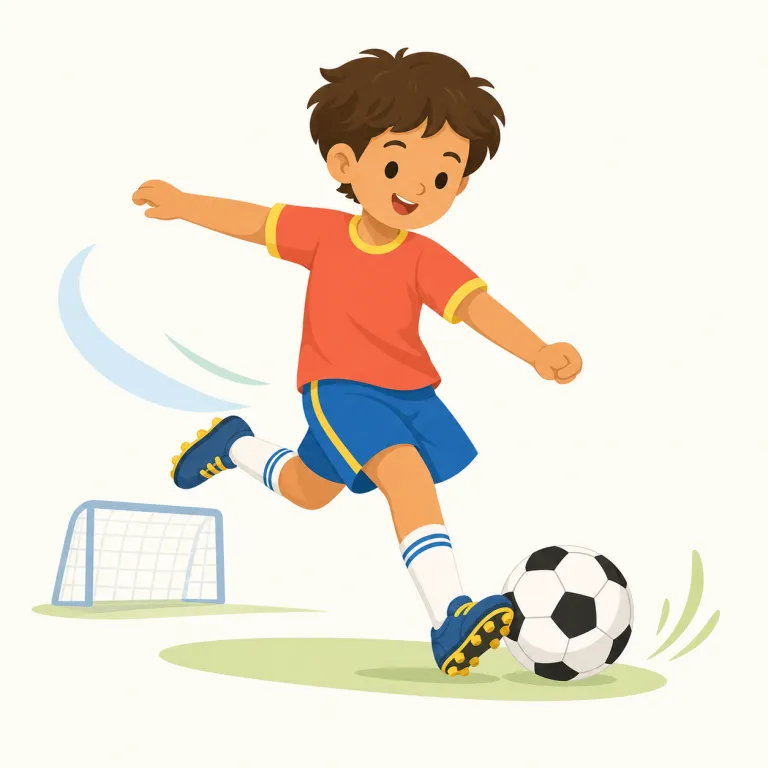
解説 Definition
スポーツや試合に参加して、その競技をするという意味で使う。play soccer や play tennis のように、球技やゲーム名と結びつくことが多い。学校の部活や週末の試合の話でも頻出し、『遊ぶ』より競技性が強く、観戦する意味ではない。
To take part in a sport or match as a participant. This verb often comes before the name of a ball sport, such as soccer or tennis.
覚え方のコツ Memory Tip
基本の play=「遊ぶ」を知っていれば、スポーツの play も「ルールの中で体を動かす」感覚でつなげると覚えやすい。競技名を目的語にして play soccer / play tennis / play basketball が定番です。文中に soccer, tennis, game, team などがあれば「スポーツをする」の可能性が高い。watch は「観戦する」、practice は「練習する」なので混同しない。play the piano は楽器を演奏する意味なので、目的語が競技か楽器かを見分けると定着しやすい。
Picture moving your body within the rules of a sport. Learn play soccer, play tennis, and play basketball together. The sport's name helps you recognize participation, while watch describes being a spectator.
例文
They play soccer every Sunday.
彼らは毎週日曜日にサッカーをする。
My sister plays tennis at school.
妹は学校でテニスをしている。
Do you play basketball?
あなたはバスケットボールをしますか。
play の類義語・関連語
play を含む表現
句動詞・イディオムなど 17 件。クリックで各表現の詳細へ。
- play down 控えめに扱う L6
- play at 遊び半分にする L7
- play out 演じきる L7
- play a role in 〜において役割を果たす L12
- play the market 相場に投資する L12
- play one's cards right うまく立ち回る L13
- play Cupid 恋の仲立ち L14
- play cat and mouse いたぶる L14
- play hardball 強硬に進める L14
- play second fiddle 脇役に回る L15
- play at ふりをする、真似事をする L16
- play into someone's hands 相手を利する L16
- play out 展開する L16
- play down 軽視する L19
- play a blinder 見事にやる L20
- play it by ear 臨機応変にやる L28
- play up 強調する L28
play の語源・成り立ち Etymology
play は古英語 plega / plegan に由来し、もとは「すばやい動き・運動・遊び」のような生きた動作を表しました。そこから、義務ではなく楽しみとして体や気持ちを動かす意味が育ちました。player や playful にも、自由に楽しんで動く「遊ぶ」の軽やかさが残っています。
The word comes from Old English plega and plegan, associated with movement, exercise, and amusement. These ideas developed into the sense of doing activities for enjoyment.
同じレベルの語彙をもっと
英検5級の一覧へ →外部辞書で調べる
この英単語をクイズで覚えよう