意味一覧 (3件)
行動する、演じる
/ noun 名詞 行為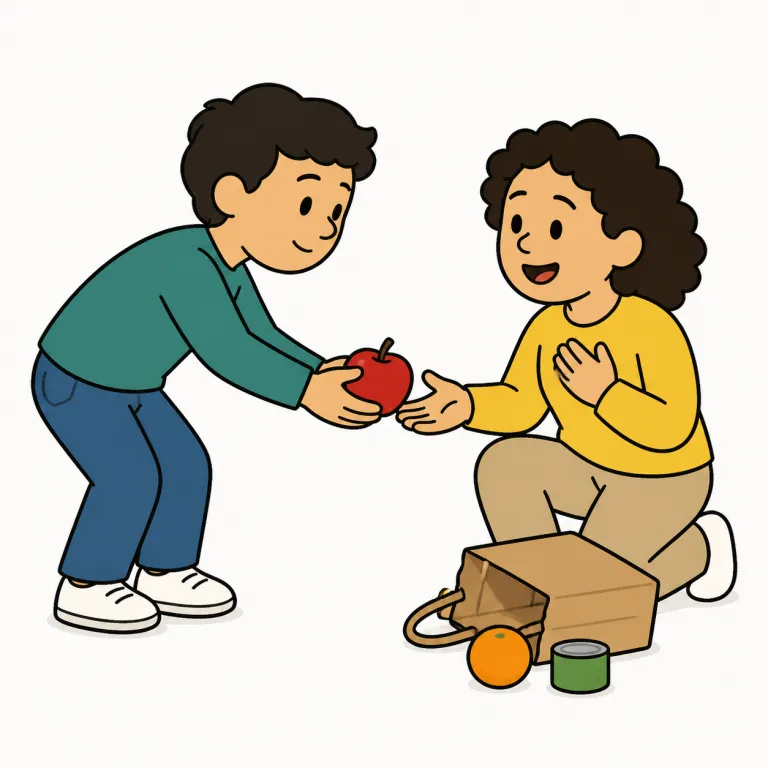
解説 Definition
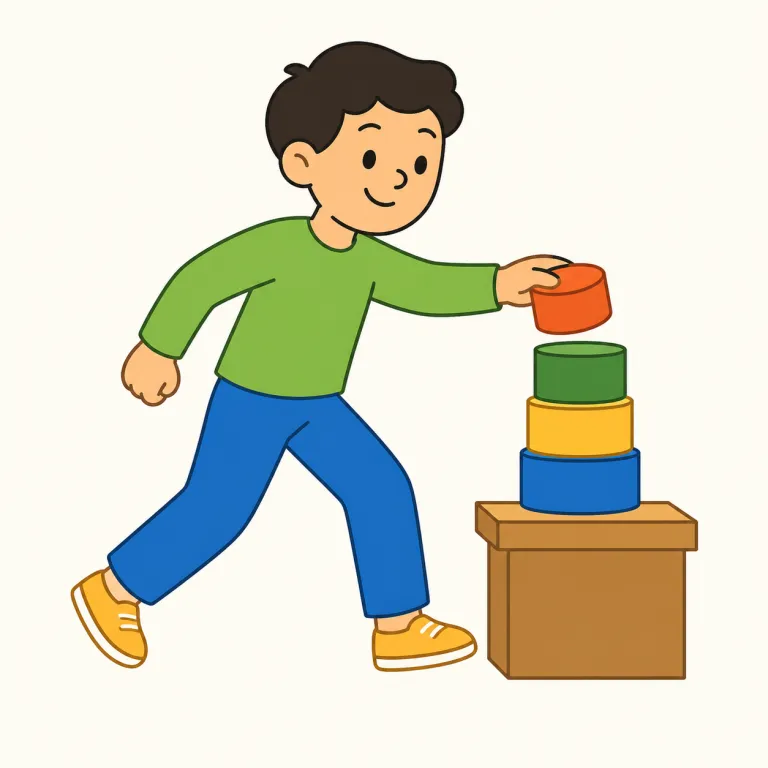
何かをするときに、考えるだけでなく実際に動いたり行動したりすることを表します。また、劇や映画などで役になりきって演じることも表します。
To act means to do something or take action. It can also mean to perform a role in a play, movie, or show.
覚え方のコツ Memory Tip
act は「頭で考えるだけでなく実際に動く」を中心に覚えると定着しやすいです。We must act now. なら、今すぐ行動を起こす場面で、act fast「素早く行動する」もよく使います。もう一つは、舞台や映画で役として行動することから「演じる」。act in a play「劇に出演して演じる」、act the part of a king「王の役を演じる」と押さえます。action「行動」、actor「俳優」も同じ act の仲間として結ぶと、二つの意味を一つの核から思い出せます。
Think of act as moving from thought to action. On a stage, an actor acts by doing and speaking as a character.
例文
We act now to save the dog.
私たちは犬を助けるために今すぐ行動します。
We act fast.
私たちは素早く行動します。
She acts in class.
彼女は授業で演じます。
幕
(意味 2)
解説 Definition
名詞の act は、演劇やミュージカル、オペラなどで物語を大きく区切る一つの部分を指す。日本語では「幕」に当たり、第一幕・第二幕のように数えて、場面転換や筋書きの節目を示すときに使われる。
An act is one main division of a play, opera, or similar performance. A long work is often separated into several acts, and each act contains part of the story. This is a formal theater-related meaning.
覚え方のコツ Memory Tip
act は演劇では「役者が行う一連の演技」をひとまとまりにした区切り、と考えると「幕」に結びつきます。actors が act する時間の大きなブロックが Act 1, Act 2。scene が細かい場面なら、act は物語を大きく進める「章」のような単位です。first act, second act, final act のように、台本や作品紹介で見たら「行為」ではなく舞台の大区切り=幕として取ると定着します。
In theater, `act` is a big section of a play, usually seen as `Act 1`, `Act 2`, and so on. A useful contrast is `scene`: scenes are smaller parts inside an act. If you see it in a script, review, or musical summary, think `major division`, not just `action`.
例文
The first act of the play was exciting.
その劇の第一幕はとても見応えがあった。
Each act tells a different part of the story.
各幕が物語の異なる部分を語っている。
The second act features the main conflict.
第二幕では物語の中心となる対立が描かれる。
法律
(意味 3)
解説 Definition
政府や議会によって正式に定められた法律を表す名詞です。The Act のように固有名詞的に使われることが多く、特定の法令名の一部として現れます。日常会話の law より、制度や条文を意識させるやや文書的な響きがあります。
This noun refers to a law formally passed by a government or legislature. It often appears in the official name of a particular law and sounds more formal and document-focused than the general word law.
覚え方のコツ Memory Tip
act はまず「行為」の語として押さえると、法律の意味もつながります。議会が正式に act「行動する」と、その行動の結果としてできたものが an act=「法律」。Parliament passed the new act のように、可決された具体的な法令を指します。Act 1, Act 2 の「幕」は演劇の区切りですが、法律の act は国家や議会の正式な行為が文書になったもの、と切り分けると整理しやすいです。
Think of a legislature taking official action and producing a law as the result. Remember phrases such as pass an act and under the Act, and distinguish this sense from an act in a play.
例文
The act protects consumers from unfair contracts.
その法律は不当な契約から消費者を守る。
Parliament passed the new act last year.
議会は昨年その新しい法律を可決した。
The case was decided under the Education Act.
その事件は教育法に基づいて判断された。
act の類義語・関連語
対義語
紛らわしい語
act を含む表現
句動詞・イディオムなど 7 件。クリックで各表現の詳細へ。
act の語源・成り立ち Etymology
ラテン語で「動かす、行う」を表す agere に由来します。そこから「行われたこと」を表す形を通じて、英語で「行動する」「演じる」という意味で使われるようになりました。
Act comes from Latin agere, meaning to do, drive, or set in motion. Through related Latin forms, it came into English with the ideas of doing something and performing a role.
同じレベルの語彙をもっと
外部辞書で調べる
この英単語をクイズで覚えよう