
loss
loss は英検3級・TOEIC 730・TOEFL 60・IELTS 5.5レベルの英単語で、「喪失、損失」という意味があります。発音記号は /lɔːs/ です。
意味一覧 (2件)
喪失
解説 Definition
「loss」は、金銭的な損失だけでなく、記憶・機会・信頼・大切な人などを失うことも表します。特に、以前あったものがなくなることや、その欠けた状態を述べるときに使われます。
The experience or state of no longer having someone or something that you had before. It can involve a loved one, memory, trust, an opportunity, or money.
覚え方のコツ Memory Tip
loss はまず動詞 lose「失う」からつなげると覚えやすいです。lose の結果として生じたものが loss で、「失ったこと・失った分」という名詞。be at a loss は「途方に暮れる」で、何かを失って手がかりがない感覚。business loss なら赤字、a great loss なら大きな喪失、suffer a loss なら損害を受ける、sports では a loss が「敗戦」。lose は動詞、loss は名詞、この品詞の違いをセットで固定すると混同しにくくなります。
Connect the verb lose with the noun loss: the verb describes what happens, and the noun names the experience or result. Use memory loss and the loss of a loved one to picture something important that is no longer there.
例文
The loss of my dog makes me sad.
愛犬を失ったことが悲しいです。
Her memory loss makes school hard.
彼女は記憶を失い、学校生活に苦労しています。
His job loss was hard for him.
仕事を失ったことは彼にとってつらいことでした。
損失
(意味 2)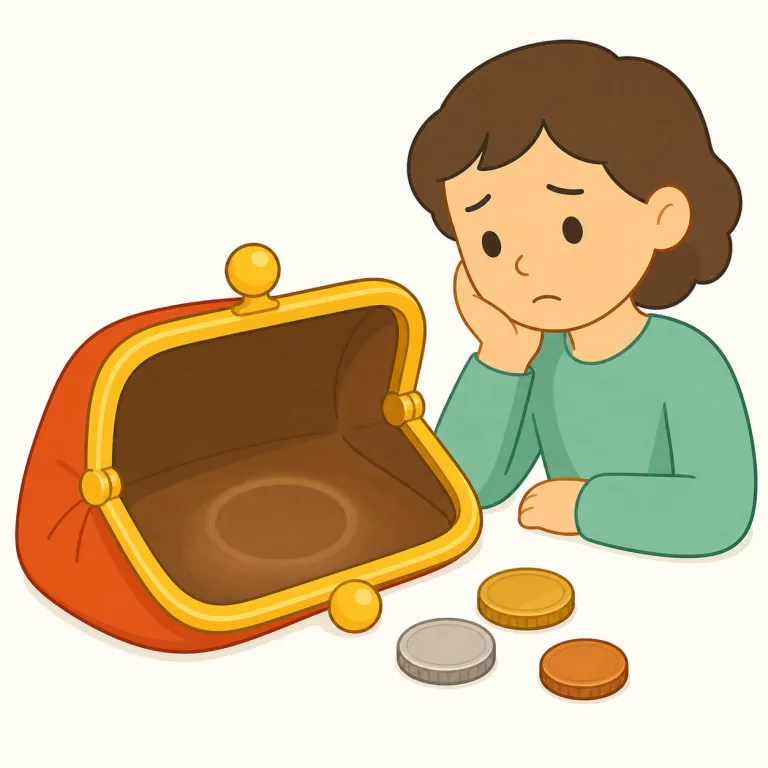
解説 Definition
この語は所有していたものや大切なものを失うこと、あるいは失った状態を指します。物や金銭の喪失だけでなく、人との別れや死による喪失感も含まれます。ビジネスでは利益に対する赤字、スポーツでは試合での敗北といった意味にもなります。
Loss means the state of losing something, or the amount that is lost. It is often used for money, business, games, or the death of a person. The exact meaning depends on the situation, but it always suggests something valuable is gone.
例文
This loss makes me sad.
この喪失のことを思うと悲しくなる。
The fire caused a big loss.
火事で大きな損失が出た。
The loss of her dog made her sad.
愛犬を失い、彼女は悲しんだ。
えいたんごクイズでの正答率
この語をはじめて出題された 63人 のうち 62人 が正解しました(98%)。
えいたんごクイズの回答から集計した独自データです。1人につき最初に出題されたときの1回だけを数えており、復習や2回目以降の回答、「わからない」と時間切れは含みません。 集計時点は 2026年9月19日 です。
loss の類義語・関連語
対義語
派生語
紛らわしい語
loss の語源・成り立ち Etymology
loss は古英語 los「滅失・破滅」にさかのぼり、ゲルマン祖語では「ほどけて手元を離れる」感覚を含んでいた。はっきりした接頭辞はないが lose や loose と同根で、「結びつきが解けて失われること」から損失の意味になったと考えると覚えやすい。
The word goes back to Old English los, meaning destruction or ruin. It shares a root with lose and loose.
同じレベルの語彙をもっと
英検3級の一覧へ →外部辞書で調べる
この英単語をクイズで覚えよう