lose
lose は英検4級・TOEIC 600レベルの英単語で、「失う、なくす、負ける」という意味があります。発音記号は /luːz/ です。
意味一覧 (2件)
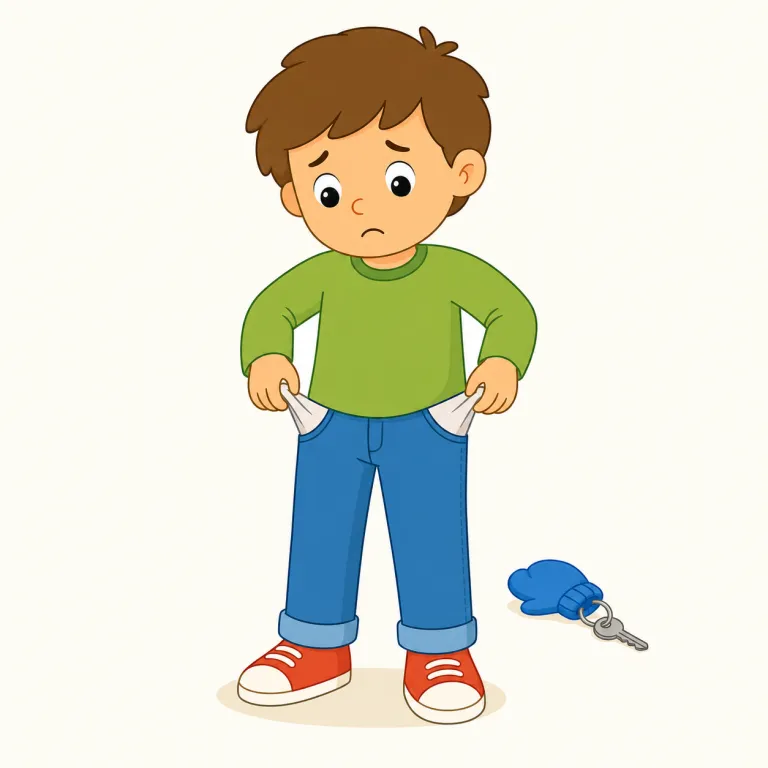
失う、なくす
解説 Definition
loseは、持っていた物や地位、人との関係、機会などを失うことを表す動詞です。単に物をなくす場合にも、仕事や自信、試合などを失う場合にも使えます。文脈によって「なくす」「失う」「逃す」「負ける」などの意味になりますが、ここでは主に失う意味で使われています。
To lose means to no longer have something, to fail to keep it, or to be unable to find it. It is also used when someone is defeated in a game, competition, or argument.
覚え方のコツ Memory Tip
lose は loss(損失)・lost(失われた)とセットで覚えると定着しやすい語です。核にあるのは「自分の側にあったものが離れていく」感覚で、財布をなくすだけでなく、試合に負ける、仕事を失う、自信をなくす、機会を逃すまで一つのイメージでまとめられます。lose a game, lose weight, lose interest のような頻出表現で場面ごとに結びつけると強いです。find の反対、win の反対として整理し、つづりが似た loose(ゆるい)と混同しないよう注意します。
Link `lose` with `loss` and `lost`. The central image is that something you had is no longer with you. Learn common patterns such as `lose a key`, `lose a game`, `lose weight`, and `lose interest`. Also distinguish `lose` from `loose`, which means not tight.
例文
I lost my key yesterday.
私は昨日、かぎをなくしました。
He lost his pen.
彼はペンをなくしました。
Do not lose your bag.
かばんをなくさないで。
えいたんごクイズでの正答率
この語をはじめて出題された 50人 のうち 48人 が正解しました(96%)。
えいたんごクイズの回答から集計した独自データです。1人につき最初に出題されたときの1回だけを数えており、復習や2回目以降の回答、「わからない」と時間切れは含みません。 集計時点は 2026年9月19日 です。
負ける
(意味 2)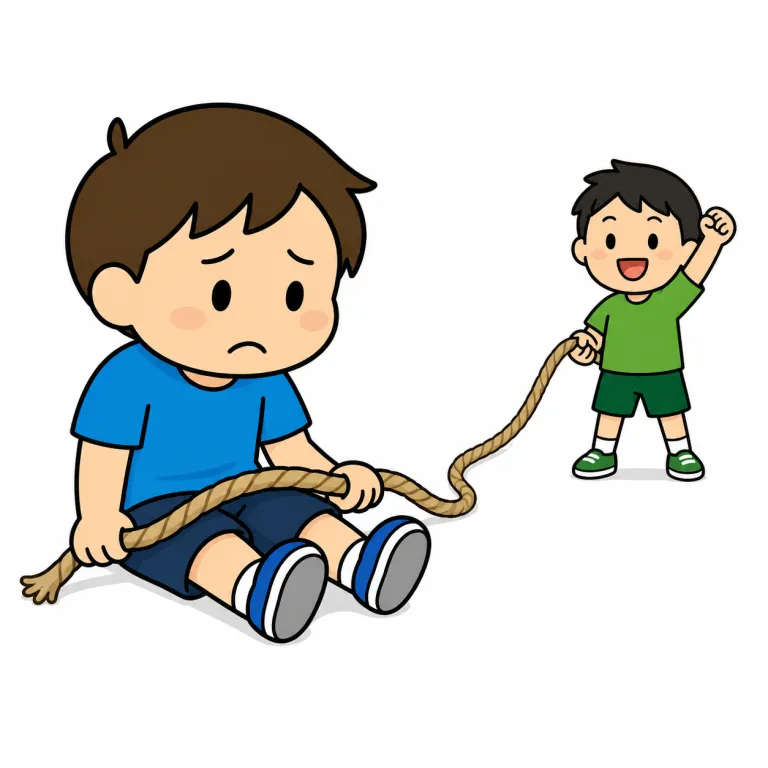
解説 Definition
競技や試合、勝負ごとで相手より成績や力が下回り、勝てないことを表す。スポーツやゲームだけでなく、選挙や裁判、議論などで敗れる場合にも広く使う。単に物を失うという意味のloseとは異なり、結果として勝負に敗北する場面を指す。
To be defeated in a game, contest, or other situation where people compete. It can describe the result of a sports match, election, court case, or argument.
覚え方のコツ Memory Tip
lose は win の反対として覚えると、「負ける」の意味がすぐ出てきます。lose a game, lose a match, lose an election のように、勝ち負けがある場面で「勝利を取れない」と考えると自然です。過去形・過去分詞は lost で、We lost. と短く言うだけでも「私たちは負けた」と表せます。つづりが似た loose(ゆるい)とは別語なので注意します。
Remember lose as the opposite of win, using phrases such as lose a match or lose an election. Its past tense and past participle are lost, so We lost means that our side was defeated. Keep its spelling separate from loose, which means not tight.
例文
We lost the game by one point.
私たちは1点差でその試合に負けた。
She doesn't want to lose to her younger brother.
彼女は弟に負けたくない。
Our team lost the game.
私たちのチームは試合に負けた。
lose の類義語・関連語
lose を含む表現
句動詞・イディオムなど 5 件。クリックで各表現の詳細へ。
lose の語源・成り立ち Etymology
lose は古英語 losian「失う、滅びる」にさかのぼり、名詞 loss と同じゲルマン系の語根を持ちます。もとは『試合に負ける』より広く『手元から消える、だめになる』感覚で、lost や loss にも、なくしてしまった痛みがそのまま残っています。
Lose comes from Old English losian, meaning "to be lost" or "to perish," from los, meaning "loss" or "destruction." It is related to loss and lost. From the older idea of something being gone or destroyed, the verb developed senses such as no longer having something and failing to win.
同じレベルの語彙をもっと
英検4級の一覧へ →外部辞書で調べる
この英単語をクイズで覚えよう