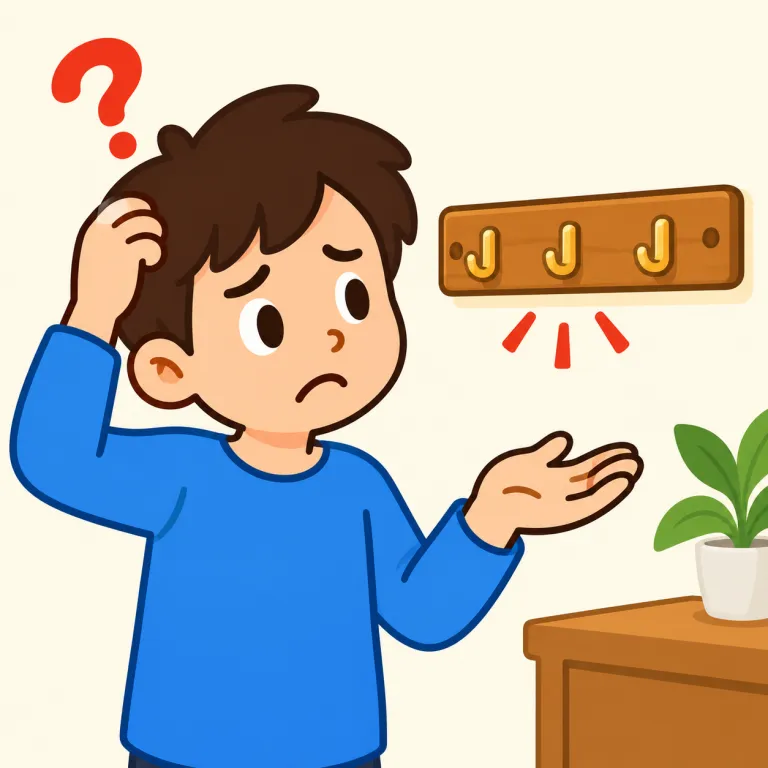
失われた
解説 Definition
lost は lose(失う)の過去形・過去分詞で、「失われた」という意味です。物や情報、機会などがなくなってしまった状態を表します。
Lost is the irregular past tense and past participle of lose. In passive constructions, it describes something that has disappeared, been destroyed, or become unavailable, such as a key, picture, opportunity, or stored data.
覚え方のコツ Memory Tip
lost は lose「失う」の不規則な過去形・過去分詞です。lose /luːz/ に -ed を付けず lost /lɒst/(米では /lɔːst/ も)となり、母音と語末の音が変わります。be lost なら「失われている・なくなっている」という受け身や状態。lost data、lost opportunity の組み合わせで定着させましょう。
Remember lost as the irregular past tense and past participle of lose: the form is not losed. Lose is pronounced /luːz/, while lost is commonly /lɒst/ in British English and /lɔːst/ or /lɑːst/ in American English, so both the vowel and final consonant pattern change. In sentences such as The key was lost or Some data was lost, be plus lost presents the thing as missing or no longer available. Useful combinations include lost data, a lost opportunity, and a lost photograph. Link all of them to the basic idea that something has been taken out of your possession or reach.
例文
The key was lost.
その鍵は失われました。
The old picture was lost.
その古い写真は失われました。
Some data was lost last night.
昨夜、いくつかのデータが失われました。
lost の類義語・関連語
lost の語源・成り立ち Etymology
古英語 losian(滅びる、失われる)の過去分詞形。古ノルド語 los(散逸)の影響も受けた。「道に迷う」も「失う」も、元は「離れて散る」というイメージから。関連語: lose(失う)、loss(損失)。
Lost developed as the past and past-participle form associated with lose. Lose comes from Old English losian, meaning to perish, become lost, or destroy, and was influenced by related Germanic forms, including Old Norse los, suggesting release or separation. The irregular form preserves an old pattern rather than taking the modern regular ending -ed. Loss belongs to the same word family.
同じレベルの語彙をもっと
外部辞書で調べる
この英単語をクイズで覚えよう