
later
later は英検3級レベルの英単語で、「あとで、後の」という意味があります。発音記号は /ˈleɪtɚ/ です。
意味一覧 (2件)
あとで
解説 Definition
later は副詞で、今ではなく少し時間がたってから何かをすることを表す。会話では予定や返事を先に延ばして「あとで」と言うときによく使う。時刻を細かく決めず、「今はしないがそのうち」という柔らかい言い方にもなる。
At a time after now, rather than immediately. This is often used to postpone an action without saying exactly when it will happen.
覚え方のコツ Memory Tip
late「遅い」を知っていれば、later は「より遅い時に→あとで」とつながる。まず I'll call you later.「あとで電話するよ」のように、今すぐではなく時間を置いてする副詞として覚えると定着しやすい。形容詞の later years, a later version は「後の〜」だが、この行では文末や動詞の近くに置いて行動の時点を後ろへ送る later が主役。now「今」と対比して、not now, later「今じゃなくて、あとで」と押さえるとよいです。
Connect later with late: a time further ahead becomes 'after now.' Remember 'not now, later' and picture leaving a task until you have more time.
例文
I will call later.
あとで電話します。
We can eat later.
あとで食べられます。
Please come back later.
あとで戻ってきてください。
後の
(意味 2)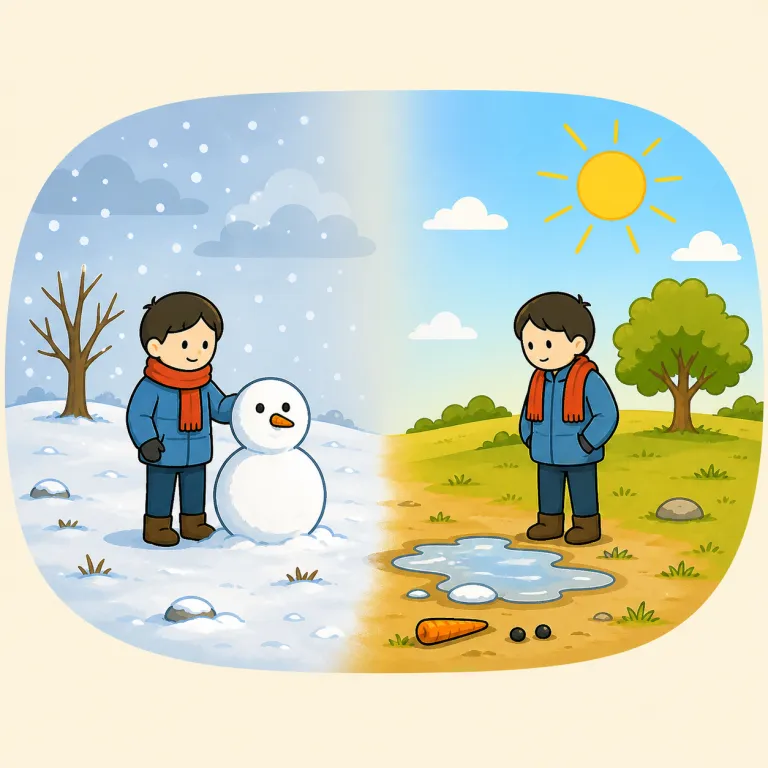
解説 Definition
later は形容詞として、ある時点や別のものと比べて時間的に後にあることを表し、「後の」「後年の」「より遅い」といった意味で使う。会議の予定、版の違い、人生のある時期など、前後関係を示す場面でよく用いられる。
Later means happening after a particular time or after something else. It is used when talking about the future or a point further on in time. It can describe a later event, stage, or period.
覚え方のコツ Memory Tip
late「遅い」を知っていれば、later はその比較級で「より遅い→その後の」とつながる。まず late → later → latest の並びで覚えると定着しやすい。形容詞では later years, a later version, at a later stage のように名詞の前に置かれ、「前より後ろの時点にあるもの」を示す。after は前置詞・副詞中心だが、later は「後の〜」と名詞を直接修飾できる点が大事。副詞の see you later の later と混同しないこと。
Connect `later` to `late`: it is the comparative form, like `late -> later -> latest`. That gives the memory path "more late, so after." It is useful in phrases like `a later version` or `at a later stage`, where it directly describes a noun.
例文
We can talk at a later time.
話はまた後にしましょう。
The later version of the software fixed many bugs.
そのソフトウェアの後の版では、多くのバグが修正された。
His later years were happy.
彼の晩年は幸せだった。
えいたんごクイズでの正答率
この語をはじめて出題された 40人 のうち 36人 が正解しました(90%)。
えいたんごクイズの回答から集計した独自データです。1人につき最初に出題されたときの1回だけを数えており、復習や2回目以降の回答、「わからない」と時間切れは含みません。 集計時点は 2026年9月19日 です。
later の類義語・関連語
later の語源・成り立ち Etymology
later は古英語 læt「遅い・のろい」に比較級語尾 -er が付いた形で、直訳すると「より遅い」です。latest や belated も同系で、「今より遅い時点に」という感覚から、副詞の「あとで」という意味が自然に生まれたと見ると later が腑に落ちます。
The word is the comparative form of late, with the ending -er. Its base goes back to Old English læt, meaning 'slow' or 'late.'
同じレベルの語彙をもっと
英検3級の一覧へ →外部辞書で調べる
この英単語をクイズで覚えよう