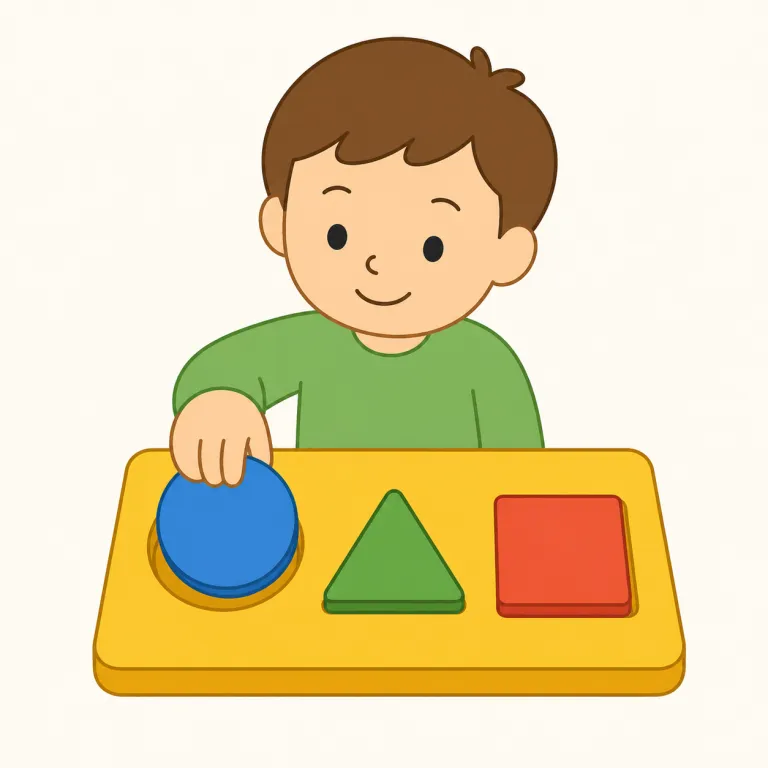
easy
easy は英検5級・英検7級レベルの英単語で、「簡単な」という意味があります。発音記号は /ˈiːzi/ です。
簡単な
解説 Definition
この形容詞は難易度や労力が少なくてすむ状態を表します。努力や時間をあまりかけずに達成できる様子を指すことが多いです。気持ちや環境が楽で負担の軽い状態も含まれます。
Easy means not difficult and able to be done or understood without much effort. It is often used for tasks, questions, situations, or people’s behavior. The meaning can change slightly depending on context, but it always suggests low difficulty.
覚え方のコツ Memory Tip
easy は、まず名詞 ease「気楽さ・楽さ」とセットで覚えると定着しやすいです。意味の芯は「力まずに済む」「負担が小さい」。だから an easy question なら「解くのが楽」、an easy chair なら「座っていて楽」、take it easy なら「気楽にいこう」と広がります。反対語は hard / difficult ですが、easy は「能力的に難しくない」だけでなく「気分や状況が楽」という感覚も持てる語です。言い換えるなら simple や comfortable に近づく場面もある、と押さえると使い分けしやすくなります。
Link easy with ease, the noun for comfort or lack of difficulty. That is why easy can describe both tasks and feelings: an easy question, an easy chair, take it easy. It is not only the opposite of difficult; it can also suggest comfort and little effort.
例文
This book is easy.
この本は簡単です。
The game is easy.
そのゲームは簡単です。
My homework is easy today.
今日の宿題は簡単です。
えいたんごクイズでの正答率
この語をはじめて出題された 42人 のうち 41人 が正解しました(98%)。
えいたんごクイズの回答から集計した独自データです。1人につき最初に出題されたときの1回だけを数えており、復習や2回目以降の回答、「わからない」と時間切れは含みません。 集計時点は 2026年9月19日 です。
easy の類義語・関連語
easy を含む表現
句動詞・イディオムなど 4 件。クリックで各表現の詳細へ。
easy の語源・成り立ち Etymology
easy は古フランス語 aise/aisé「気楽な・都合のよい」から入り、名詞 ease と同根で結び付く。さらに俗ラテン語 *adjacens「すぐそばにある」と結び付けられ、adjacent や adjoin と同系なので、「手近で扱いやすい」が「簡単な」へ育った。
Easy came into English from Old French aisé, related to ease. It is often linked to a Late Latin form based on the idea of being nearby or close at hand, which helps explain the sense of something convenient or manageable. Over time, that developed into the modern meaning of something not difficult.
同じレベルの語彙をもっと
英検5級の一覧へ →外部辞書で調べる
この英単語をクイズで覚えよう