ease
ease は英検2級・TOEIC 860・TOEFL 80・IELTS 6.5レベルの英単語で、「容易さ、楽にする、気楽さ」という意味があります。発音記号は /ˈiːz/ です。
意味一覧 (2件)
容易さ
解説 Definition
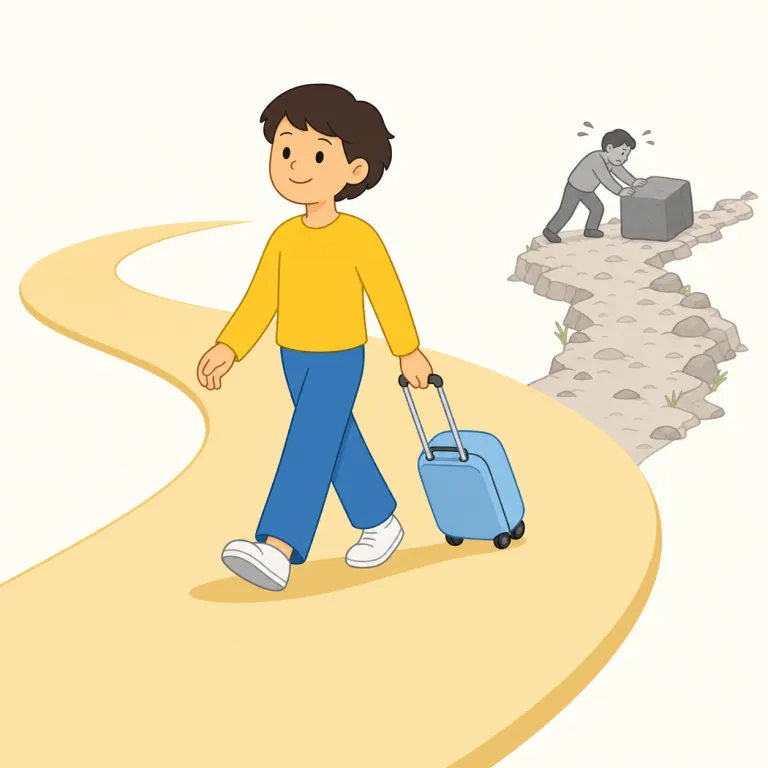
物事を苦労せず、なめらかに行える程度のことを表す名詞です。作業のしやすさ、理解のしやすさ、達成のしやすさなどについて述べるときに使われ、with ease の形でもよく現れます。
The quality of being easy to do, involving little difficulty or effort. This noun describes how smoothly a task can be performed, understood, or completed.
覚え方のコツ Memory Tip
ease は easy の名詞形と結びつけ、「難しさがなく、すっとできる度合い」と覚えると定着しやすいです。特に with ease で「容易に、難なく」というまとまりが頻出。Simple words help me read with ease. なら、簡単な語のおかげで読む作業が滑らかに進む場面を思い浮かべます。ease of use(使いやすさ)、ease of access(利用・接近のしやすさ)も一緒に押さえ、単なる可能性ではなく、苦労の少なさを表す名詞だと理解しましょう。
Link ease with the adjective easy and picture a task going smoothly with little effort. Learn "with ease" for doing something without difficulty and "ease of use" for how simple something is to use.
例文
Simple words help me read with ease.
簡単な言葉のおかげで、私は楽に読める。
She lifts the light box with ease.
彼女は軽い箱を楽に持ち上げる。
Our team is strong and wins with ease.
私たちのチームは強く、楽に勝つ。
楽にする
/ noun 名詞 気楽さ (意味 2)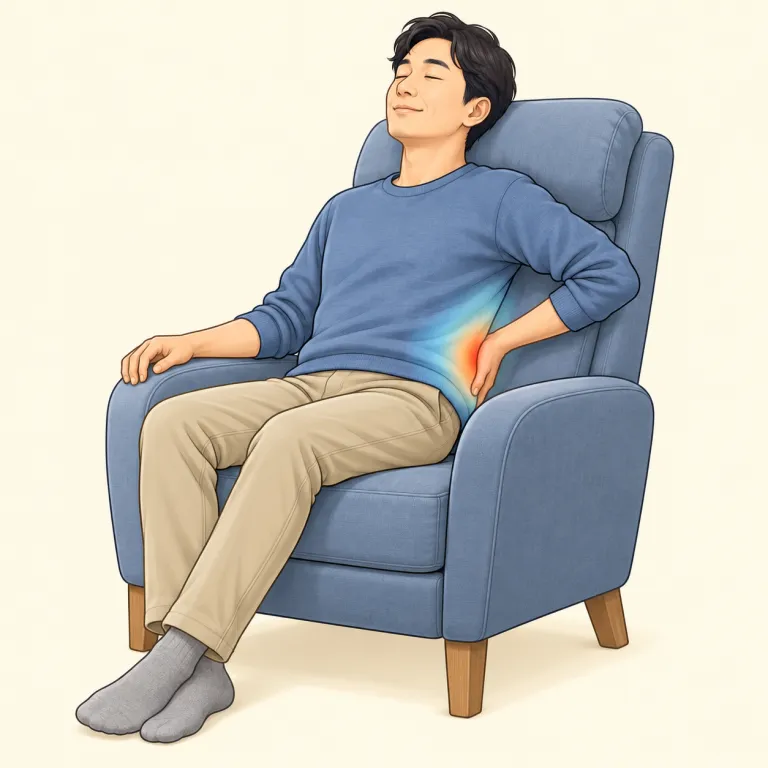

解説 Definition
痛みや苦しみを軽くする、または緩和すること。精神的・肉体的な不快感を取り除く、あるいは減らすことです。
To ease means to make something less difficult, painful, or severe. It is often used for problems, stress, pain, or restrictions becoming lighter. In formal contexts, it can also mean to reduce pressure little by little.
覚え方のコツ Memory Tip
easy を知っていれば覚えやすい語。ease は「easy な状態にする」と考えると、痛み・不安・緊張を和らげる動詞の感覚がつかめる。よく ease pain / ease tension / ease worries の形で使い、「完全に消す」より「つらさを軽くする」が中心。relieve に近いが、ease は負担を少しずつ軽くする感じでも使いやすい。名詞では at ease(くつろいで)も頻出。increase などとつづりが少し似ても、意味はまったく別だとまとめて区別すると定着しやすい。
Link it to `easy`: to `ease` something is to make it easier to bear. That is why it often goes with pain, tension, fear, or worries. Also remember the fixed phrase `at ease`, which helps connect the word family.
例文
This chair eases my back pain.
このいすは背中の痛みを和らげます。
A hot bath eases pain.
熱いお風呂は痛みを和らげます。
Kind words ease my mind.
やさしい言葉は心を楽にします。
えいたんごクイズでの正答率
この語をはじめて出題された 37人 のうち 28人 が正解しました(76%)。
えいたんごクイズの回答から集計した独自データです。1人につき最初に出題されたときの1回だけを数えており、復習や2回目以降の回答、「わからない」と時間切れは含みません。 集計時点は 2026年9月19日 です。
ease の類義語・関連語
ease を含む表現
句動詞・イディオムなど 6 件。クリックで各表現の詳細へ。
ease の語源・成り立ち Etymology
古フランス語 aise(快適さ・余裕)からの借用で、さらに先の語源は確定していません。中心にあるのは「無理がなく楽な状態」で、そこから名詞として「気楽さ・容易さ」、動詞として「楽にする」へ広がりました。関連語に easy(簡単な)、disease(dis+ease=不快・病気)があります。
It was borrowed from Old French aise, meaning "comfort" or "room," and its earlier origin is uncertain. The idea of a comfortable state developed into the sense of freedom from difficulty.
同じレベルの語彙をもっと
英検2級の一覧へ →外部辞書で調べる
この英単語をクイズで覚えよう