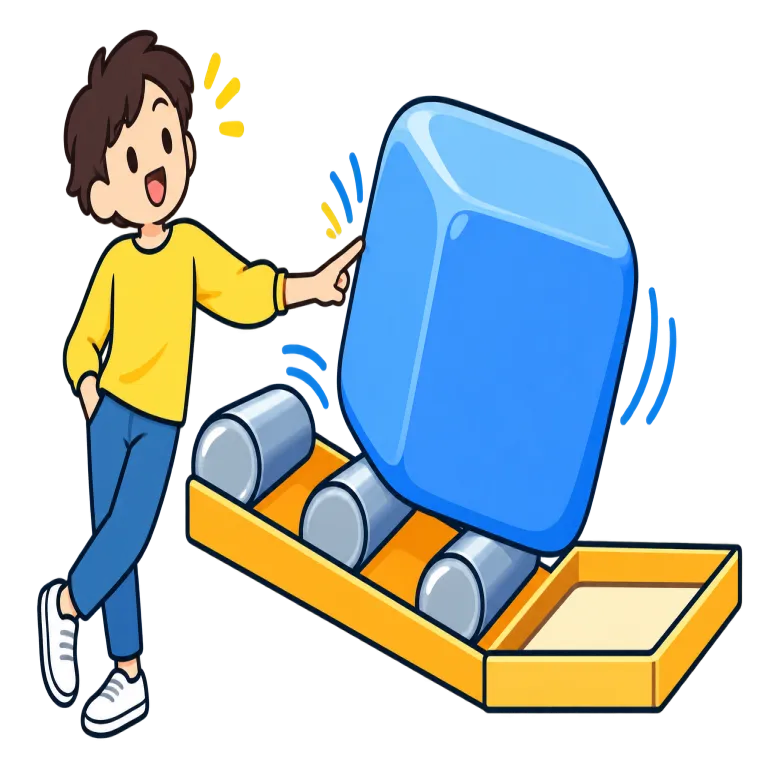
簡単さ
解説 Definition
タスクやプロセスが簡単にできる、または難しくない性質や状態のことを指します。複雑さが低く、少ない努力で達成できることの特性を示します。
Easiness is the quality of being easy to do, understand, or deal with. It can also describe a relaxed, natural feeling, but this use is less common than the noun "ease."
覚え方のコツ Memory Tip
まず easy が見えれば核の意味は取れます。そこに「状態・性質」を作る接尾辞 -ness が付いて、easiness = "easyであること"、つまり「簡単さ」。覚えるときは ease と対にすると定着しやすく、with ease は「楽々と」、easiness はその性質そのものを指します。日常では ease や simplicity のほうがよく使われるので、easiness は少し説明的な名詞だと押さえると混同しにくいです。使う場面は the easiness of use のように、使いやすさ・やりやすさを述べるときです。
Start with the easy word `easy`. Then add `-ness`, a common ending that turns an adjective into a quality, so `easiness` means the quality of being easy. It helps to compare it with `with ease`, which is more common in everyday English.
例文
The easiness of the task surprised him because he finished it in minutes.
その課題があまりに簡単で、数分で終わったことに彼は驚いた。
The easiness masked complexity.
簡単さは複雑さを隠した。
The relative easiness made it achievable.
比較的簡単だったので、達成することができた。
easiness の類義語・関連語
派生語
easiness の語源・成り立ち Etymology
easiness は easy に名詞化の接尾辞 -ness が付いた語です。easy は古フランス語 aisé/aise「楽な、くつろいだ」に由来し、-ness は古英語 -nes「状態」。「楽であること」から、ease や uneasy と同系の「簡単さ」という意味になりました。
Easiness was formed in English from easy plus the noun suffix -ness. Easy came from Old French aisé, meaning "comfortable" or "at ease," and that idea later developed into "not difficult." So easiness first meant the state of being at ease, then also the quality of being simple. Related words include ease and uneasy.
同じレベルの語彙をもっと
外部辞書で調べる
この英単語をクイズで覚えよう