始まる、始める
/ noun 名詞 開始、始まり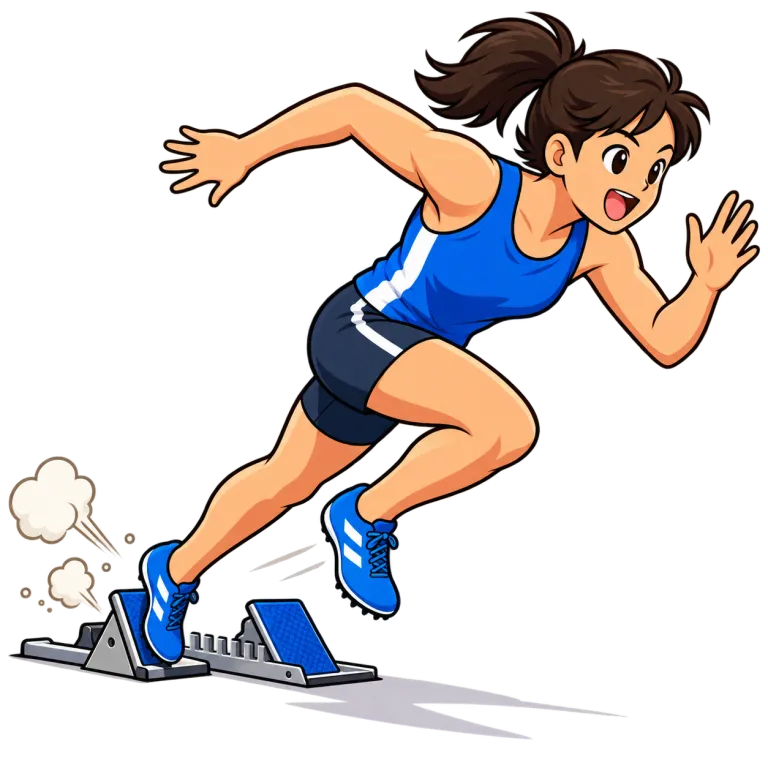
解説 Definition
何かが新しく動き出したり、行われるようになったりすることを表します。また、人が何かを行い始める、または何かを始めさせるときにも使います。
To start means to begin, or to make something begin. It is used when an action, event, or activity begins.
覚え方のコツ Memory Tip
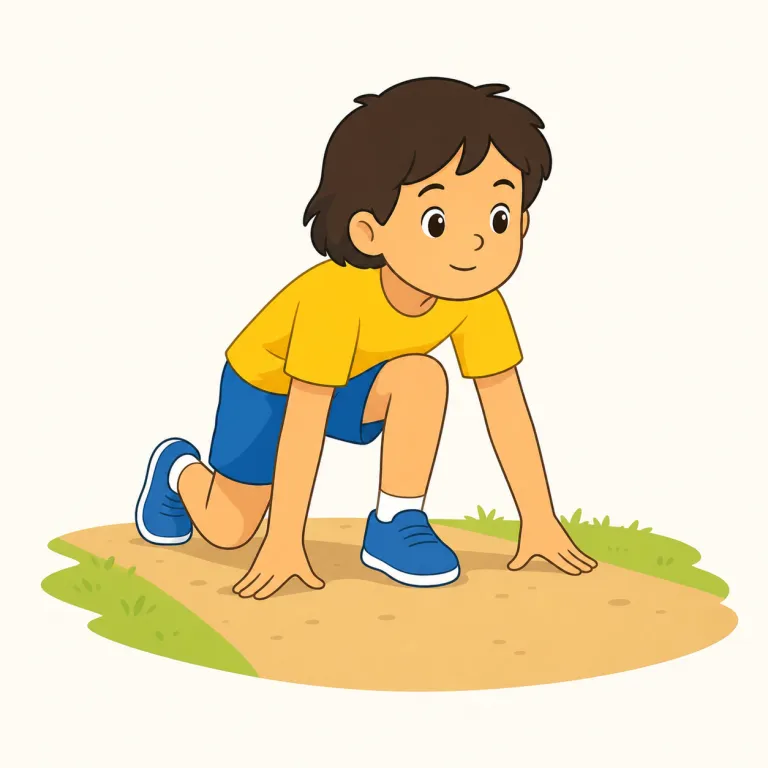
start は、止まっていたものが合図とともに動き出す瞬間を思い浮かべると覚えやすい語です。日本語のスタートも同じ感覚で、競走の開始線から走り出す絵を目印にしましょう。The game starts now. のように物事そのものが主語なら「始まる」、I start my homework. のように人が主語で後ろに物事を置けば「始める」です。start at eight で開始時刻、start after dinner で開始のきっかけを示せます。「主語が自然に始まるか、人が何かを始めるか」を見ると混同しにくいです。
Imagine something that was stopped suddenly beginning to move. That first moment is start.
例文
School starts at eight.
学校は8時に始まります。
The game starts now.
その試合は今始まります。
I start my homework after dinner.
私は夕食後に宿題を始めます。
出発点、起点
(意味 2)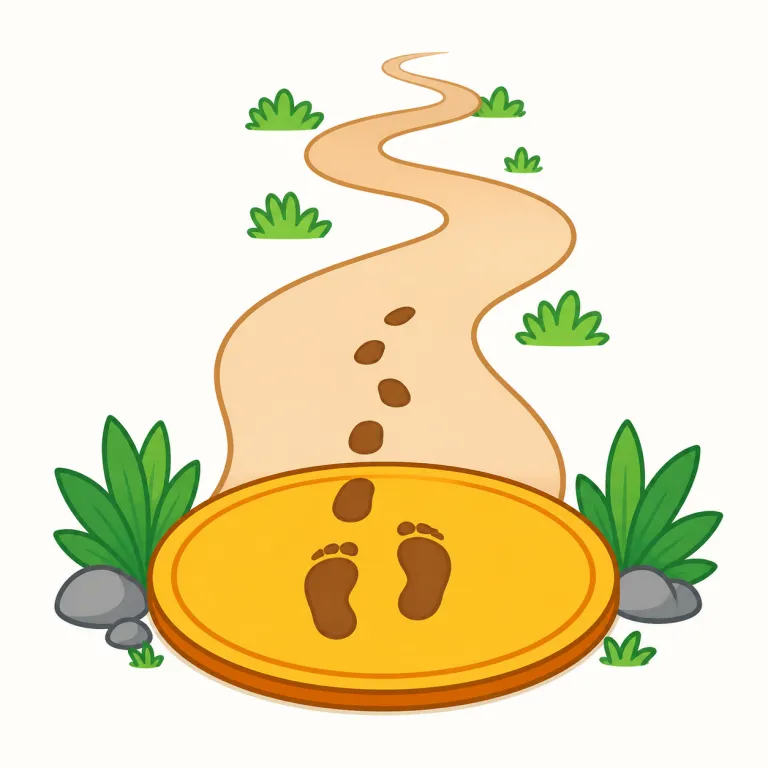
解説 Definition
競走や旅などが始まる地点や、物事が始まる最初の時点・段階を指す名詞。スポーツではスタート地点、比喩的には計画や議論の出発点という意味でも使われ、終点やゴールと対比されることも多い。
The start is the point where something begins. It can refer to the beginning of a process, event, journey, or activity.
覚え方のコツ Memory Tip
名詞の start は、まず動詞 start「始める」を知っていれば、そのまま『始まりの地点・最初の段階』を指す語だと捉えると覚えやすい。競走では the start と the finish が対になり、旅では start point、計画や学習では a good start、at the start of ... の形が頻出。beginning も近いですが、start のほうが『今まさに動き出す』『出発線に立つ』感じが強い。from start to finish で『最初から最後まで』もセットで覚えると定着しやすい。
Pair "start" with its opposite, "finish." That contrast makes it easy to remember this noun as the place or point where something begins. Common phrases like "at the start" and "go back to the start" help fix it in memory.
例文
The runners lined up at the start of the race.
ランナーたちはレースの出発点に並んだ。
Let us go back to the start and reconsider our plan.
出発点に戻って、計画を見直そう。
The start of the hiking trail is marked with a sign.
ハイキングコースの起点には標識が立っている。
start の類義語・関連語
紛らわしい語
start を含む表現
句動詞・イディオムなど 3 件。クリックで各表現の詳細へ。
start の語源・成り立ち Etymology
古い英語の styrtan に関係し、もとは「急に動く、飛び出す」という意味を持っていました。そこから、止まっていたものが動き出すことや、物事が始まることを表すようになりました。
Start is related to Old English styrtan, meaning “to leap up” or “move suddenly.” Its meaning developed from sudden movement to the beginning of an action or event.
外部辞書で調べる
この英単語をクイズで覚えよう