
begin
begin は英検4級レベルの英単語で、「始める、始まる」という意味があります。発音記号は /bɪˈɡɪn/ です。
意味一覧 (2件)
始める
解説 Definition
beginとは、何かを開始する、着手するという意味の動詞です。ある活動や出来事の最初の段階に入ることを表します。物事の起点や出発点を示す際に広く使われる基本的な動詞です。
Begin means to start doing something or for something to start. It is used for actions, events, stories, classes, and many other situations. It is slightly more formal than start, but both words are common.
覚え方のコツ Memory Tip
begin はまず基本語 start とセットで覚えると定着しやすいです。どちらも「始める」ですが、begin のほうが少し落ち着いた中立的な語で、物事・活動・話・授業が始まる場面によく合います。begin to do / begin doing、begin with、The class begins at 9. の形ごと覚えると実戦的です。beginning「始まり」、beginner「初心者」も同じ語幹なので、語族でまとめると記憶に残ります。start は機械の始動や急な動きにも使える、と差で押さえると混同しにくいです。
Learn `begin` next to `start`, because they are close in meaning. `Begin` often feels a little more neutral or formal, and it appears in patterns like `begin to do`, `begin with`, and `The class begins at 9`. It is also easy to remember with its family words: `beginning` and `beginner`.
例文
I begin my homework after dinner.
私は夕食後に宿題を始めます。
We begin class at nine.
私たちは9時に授業を始めます。
She begins a new book.
彼女は新しい本を読み始めます。
えいたんごクイズでの正答率
この語をはじめて出題された 32人 のうち 26人 が正解しました(81%)。
えいたんごクイズの回答から集計した独自データです。1人につき最初に出題されたときの1回だけを数えており、復習や2回目以降の回答、「わからない」と時間切れは含みません。 集計時点は 2026年9月19日 です。
始まる
(意味 2)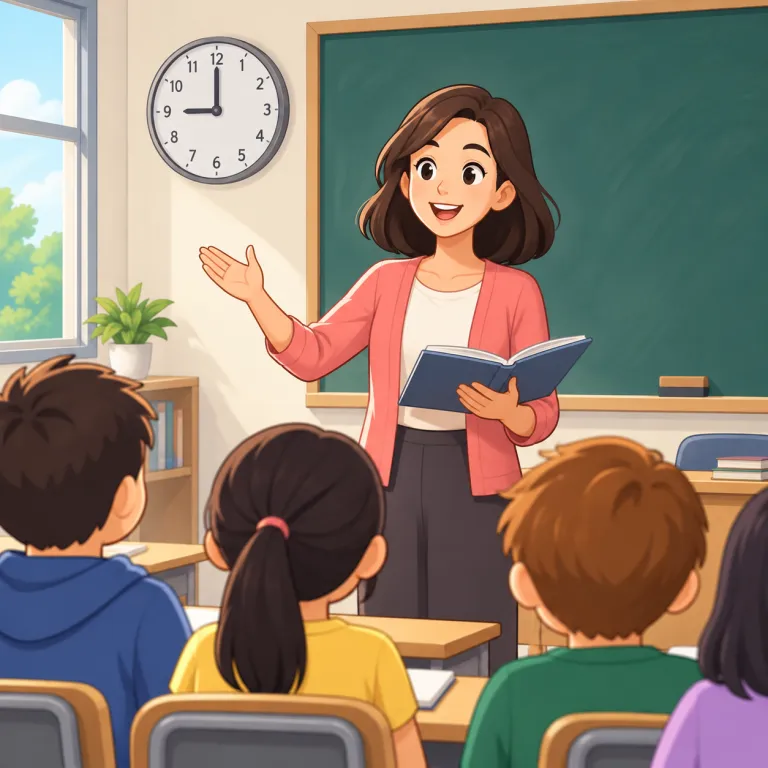
解説 Definition
物事や活動が動き出して、ある時点から進行し始めることを表す自動詞です。授業・会議・試合・季節・物語などがスタートする場面でよく使います。他動詞の「始める」と違い、主語そのものが開始する点が重要です。
To start happening or enter the first stage of an activity or period. The event or activity itself is the subject, as with a meeting, game, or season.
例文
The meeting will begin at nine.
会議は9時に始まります。
Summer begins in June here.
ここでは夏は6月に始まります。
The movie began a few minutes ago.
その映画は数分前に始まりました。
begin の類義語・関連語
類義語
対義語
begin の語源・成り立ち Etymology
begin は古英語 beginnan にさかのぼり、be- と ginnan「口を開く・始まる」が結び付いた語です。原感覚は「動き出す・口火を切る」で、静止状態から何かが開いて始まる感じが見えます。関連語に beginning、beginner があります。
Begin comes from Old English beginnan. It contains the prefix be- and an old verb related to opening or starting. The earliest sense suggests setting something in motion or opening the way for it, which later became the general English idea of starting; beginning and beginner come from the same source.
同じレベルの語彙をもっと
英検4級の一覧へ →外部辞書で調べる
この英単語をクイズで覚えよう