wonder
wonder は英検3級・TOEIC 600レベルの英単語で、「〜かなと思う、驚異、驚嘆、不思議なこと、不思議に思う」という意味があります。発音記号は /ˈwʌndɚ/ です。
意味一覧 (3件)
〜かなと思う
解説 Definition
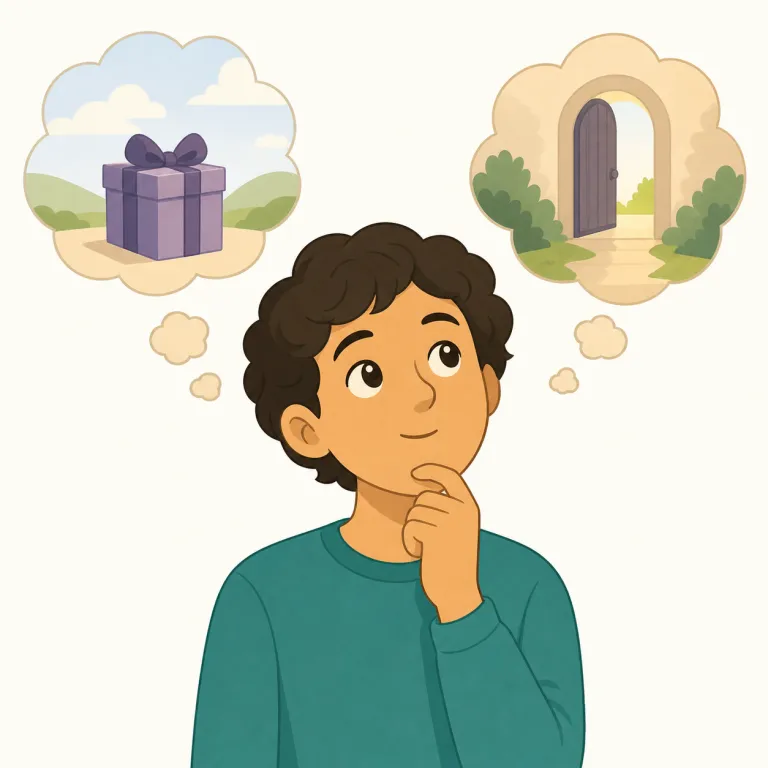
答えがまだ分からないことについて、頭の中で「どうだろう」「〜かな」と考えるときの動詞です。wonder if や wonder whether の形でよく使われ、疑問や希望をやわらかく表します。相手に直接聞くより控えめで丁寧な響きがあります。
To think about a question whose answer you do not know, such as whether something will happen or be possible. It often introduces an indirect question with if or whether and can make a request sound polite.
覚え方のコツ Memory Tip
wonder は wonder if / whether の形で「〜かなと思う」とセットで覚えると定着しやすいです。心が大きく動く「驚異」ではなく、答えが見えないことを頭の中で静かに考える感じが中心。I wonder if he knows. なら「彼は知っているかな」。ask より直接聞かず、think より疑問の色が強い。wonderful の「すごい」と混ぜずに、「分からないことに心が向く→〜かなと思う」と押さえると、この動詞語義を切り分けやすいです。
Learn wonder if and wonder whether as patterns for quietly considering an unanswered question. Picture thinking, "Does he know?" and turn it into "I wonder if he knows."
例文
I wonder if it will rain.
雨が降るかなと思います。
She wonders if he is home.
彼女は彼が家にいるかなと思います。
We wonder if this is good.
私たちはこれでよいかなと思います。
驚異、驚嘆、不思議なこと
(意味 2)
解説 Definition
「wonder」は、強い驚きや感嘆、畏敬の気持ちを伴う「驚異」や「不思議なもの・こと」を表す名詞。壮大な自然や優れた技術、信じがたい出来事などに対して使われるほか、"in wonder" の形で驚嘆して見入るような心の状態も表せる。
Wonder is a feeling of great surprise and admiration, often caused by something beautiful, amazing, or hard to understand. It can also mean something that seems very special or unusual. This word is common in literary or emotional descriptions.
覚え方のコツ Memory Tip
wonder はまず wonderful の土台の語だと結びつけると覚えやすいです。心が「すごい」と動く感じが中心で、単なる surprise より、驚きに感嘆や不思議さが混ざる名詞。自然・技術・景色などを見て awe に近い気分になる場面で出やすく、in wonder で「驚嘆して」、a wonder of nature / modern science のような形も頻出です。mystery が「謎そのもの」寄りなのに対し、wonder はそれを前にした心の震えや「驚異的なもの」寄り。動詞 wonder「不思議に思う」と一緒に、「不思議さを感じる心→驚異・不思議なもの」と流れで押さえると定着しやすいです。
Connect `wonder` with `wonderful`: both involve something that makes the mind stop and feel amazement. As a noun, `wonder` can be the feeling of awe or an amazing thing itself. Remember phrases such as `in wonder`, `a natural wonder`, and `a wonder of modern science`.
例文
This old tree is a natural wonder.
この古い木は自然の驚異です。
This small robot is a wonder.
この小さなロボットは驚くべきものです。
The children watch the stars in wonder.
子どもたちは驚嘆しながら星を見ます。
えいたんごクイズでの正答率
この語をはじめて出題された 47人 のうち 47人 が正解しました(100%)。
えいたんごクイズの回答から集計した独自データです。1人につき最初に出題されたときの1回だけを数えており、復習や2回目以降の回答、「わからない」と時間切れは含みません。 集計時点は 2026年9月19日 です。
不思議に思う
(意味 3)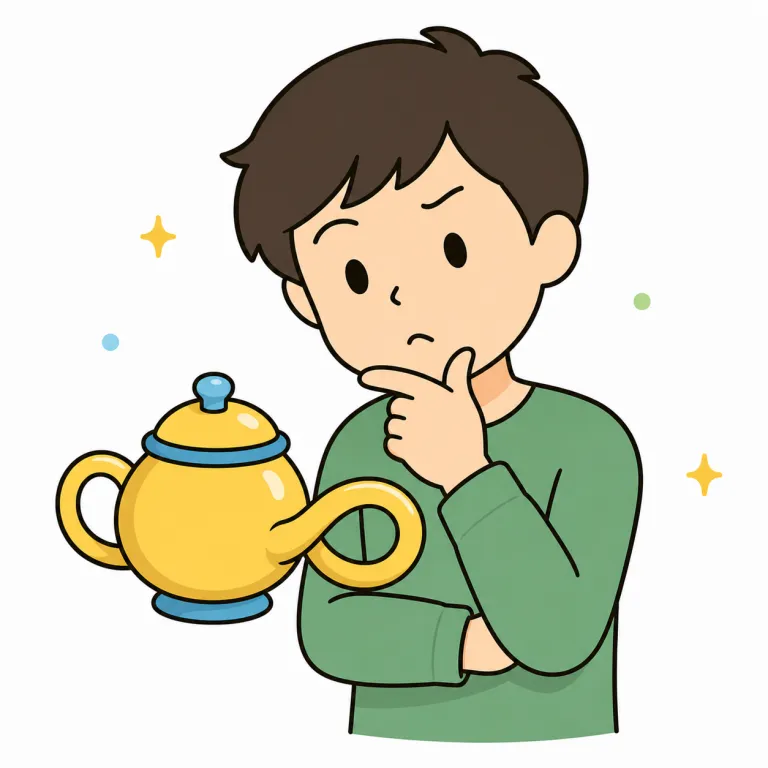
解説 Definition
物事の理由や仕組みがすぐには理解できず、なぜだろうと不思議に感じるときの動詞です。wonder why や wonder at の形で、人の行動や予想外の出来事について使われます。単なる質問ではなく、驚きや好奇心を含んで内心で不思議がる響きがあります。
To feel curious or surprised about something you cannot readily explain. It describes thinking about why something happened or how something was possible.
覚え方のコツ Memory Tip
wonder は、答えを相手に直接求める ask とは違い、驚きや好奇心をもって心の中で「なぜだろう」と不思議に思う語です。早く帰った人を見送りながら I wonder why she left. と考える場面を固定しましょう。wonder why、wonder how の後ろには疑問の内容が続き、wonder at+名詞なら「〜に驚き、不思議がる」です。名詞の wonder「驚異」と結び付け、心が動いて疑問が生まれる、と覚えると定着しやすいです。
Picture someone leaving unexpectedly early and think, "I wonder why she left." Link wonder why and wonder how with the curiosity that grows from surprise.
例文
I wonder why she left so early.
彼女がなぜそんなに早く帰ったのか不思議に思う。
They wondered at his calm reaction.
彼の落ち着いた反応を彼らは不思議に思った。
We wondered how the child did it.
その子がどうやってそれをしたのか、私たちは不思議に思った。
wonder の類義語・関連語
wonder の語源・成り立ち Etymology
wonder は古英語 wundor「驚き・奇異なもの」に由来し、もともと「説明できず心が動くこと」を指しました。分解は語根 wonder のみで、wonderful や wonderstruck が同系です。不思議さに心が向くところから、答えを知りたくて「〜かなと思う」動詞にもつながります。
The word comes from Old English wundor, meaning surprise or something strange. Interest in something unexplained connects with the verb sense of wanting to know an answer.
同じレベルの語彙をもっと
英検3級の一覧へ →外部辞書で調べる
この英単語をクイズで覚えよう