
意味一覧 (3件)
さまよう
解説 Definition
目的地をはっきり決めずに、その場をあちこち動き回るときに使う。町・森・建物の中などを当てもなく歩いたり、道に迷ってうろうろしたりする文脈でよく用いられる。『放浪する』ほど長期的・生活的ではなく、一時的にさまよう感じを表す語。
To move from place to place without a clear destination, often on foot. It may be done casually or after losing one's way, and usually suggests temporary, aimless movement.
覚え方のコツ Memory Tip
walk が『歩く』なら、wander は『どこへ行くか決めずに歩く』。まずこの差で覚える。よく wander around the city, wander through the woods のように、場所を伴って『ぶらぶらさまよう』で出る。人だけでなく my mind wandered で『気がそれる』にも使えるので、『体も意識もコースを外れる動き』が核。似た roam は広く動き回る感じ、get lost は本当に道に迷う場合で、wander はもっと自発的でふわっとした逸れ方。
Walking simply describes movement on foot, while wandering means walking without deciding exactly where to go. Patterns such as "wander around the city" and "wander through the woods" help fix this physical sense.
例文
We wandered around the old town for hours.
私たちは何時間も旧市街をさまよった。
She wandered through the museum without a map.
彼女は地図も持たずに美術館の中をさまよった。
After missing the turn, he wandered around the neighborhood.
曲がる所を通り過ぎたあと、彼は近所をさまよった。
それる
(意味 2)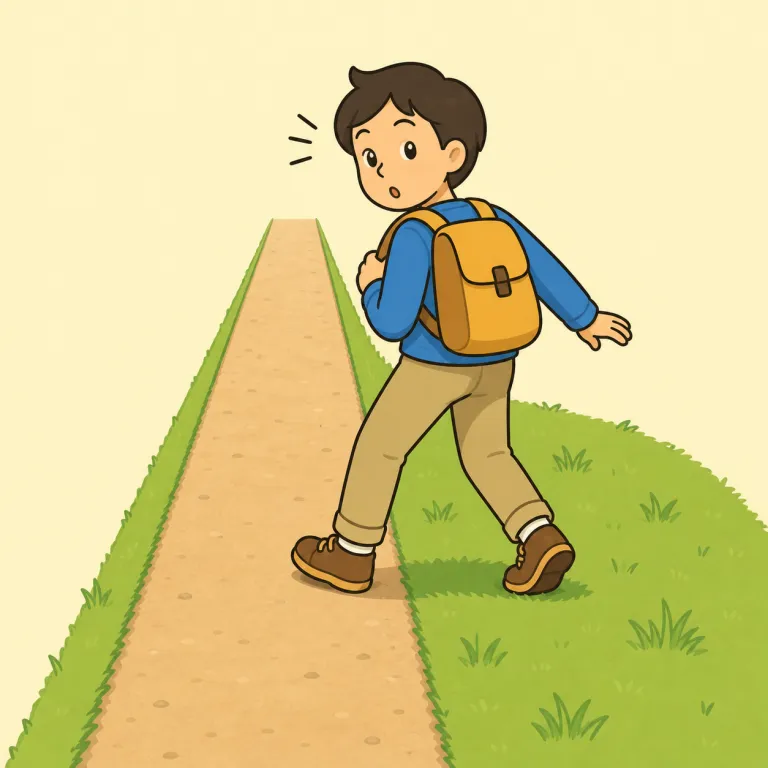
解説 Definition
正しい道から外れる、または目的地から逸脱する。さまよったり、進むべき方向を失うことを意味します。
To wander means to move from place to place without a clear plan or direction. It is often used for walking around casually, traveling without a fixed purpose, or letting your thoughts move freely.
例文
We started to wander off the main path.
私たちは主要な道から外れ始めました。
The discussion may wander from the main issue.
議論は本題からそれることがある。
Do not let your attention wander during the safety briefing.
安全説明の間、注意がそれないようにしてください。
それる
(意味 3)
解説 Definition
視線・考え・話題などが中心から自然にそれていくときに使う。人が意図せず注意を失ったり、会話が本筋から外れたりする文脈で頻出する。物理的な移動より、意識や内容のずれを表す比喩的用法が中心。
When someone's eyes, thoughts, or attention gradually move away from their original focus, they become directed elsewhere. The word can also describe a conversation that naturally leaves its main subject.
例文
His eyes wandered to the window during the lecture.
講義中、彼の視線は窓のほうへそれた。
Our conversation wandered away from the main topic.
私たちの会話は本題からそれていった。
My mind wandered during the long meeting.
長い会議のあいだ、私は気がそれた。
wander の類義語・関連語
wander の語源・成り立ち Etymology
wander は古英語 wandrian「当てもなく歩き回る」から来た語で、ゲルマン系ではドイツ語 wandern や英語 wend と親類です。語の芯には『向きを変えながら進む』感じがあり、ただ歩くより『さまよう』がしっくり来ます。
Wander comes from Old English wandrian, meaning "to move about without a destination." It is related to German wandern and English wend, with a core image of changing direction while moving.
同じレベルの語彙をもっと
外部辞書で調べる
この英単語をクイズで覚えよう