ぶらぶら歩く、当てもなく進む
verb 動詞人などが急がず、特定の進路や目的を定めないままあちこち移動すること。散歩や旅で気の向くまま進む場面に用い、川や道が曲がることや、話が本題からそれることとは区別される。
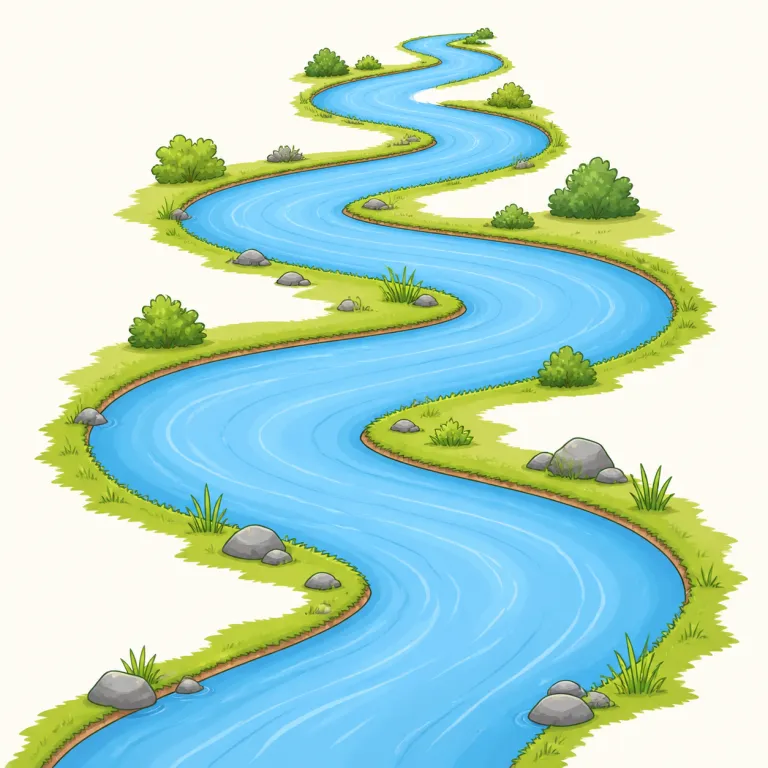
meander は英検1級レベルの英単語で、「蛇行する」という意味があります。発音記号は /miˈændɚ/ です。
川や道がくねくねと曲がって進むこと。また、人が要点から外れてあちこちに話を続けることも指す。
To meander means to move or go in a winding, not straight, path. It is often used for rivers, roads, or walks that curve gently from side to side. It can also describe speech or writing that does not follow a direct line.
「まっすぐ進む」の反対として覚えると定着しやすい語。川や道が meander するのは、一直線ではなくゆっくり曲がりながら進む感じ。話についても同じで、結論へ一直線に行かず横道にそれて続くときに使える。wander や roam は「歩き回る」寄りだが、meander は“曲がりくねりながら進む・話が脇にそれる”のが核。river, path, road, conversation などと結び付けて覚えると使い所が見えやすい。
Think of `meander` as the opposite of going straight. Rivers, roads, and even conversations can meander when they keep turning and do not move directly to one point. It is close to `wander`, but meander gives a stronger picture of a slow, winding path.
The old man liked to meander when telling stories.
その老人は物語を語るときにとりとめなく話すのが好きだった。
Don't meander; get back to the main topic.
とりとめなく話さず、本題に戻りなさい。
The river meanders through the valley.
川は谷をくねくね流れている。
文脈によって、次の意味でも使われます。
人などが急がず、特定の進路や目的を定めないままあちこち移動すること。散歩や旅で気の向くまま進む場面に用い、川や道が曲がることや、話が本題からそれることとは区別される。
meander は古代ギリシャの川名 Maiandros に由来し、曲がりくねった流路で有名だったため「蛇行する」を意味するようになりました。接頭辞でなく固有名由来ですが、meandering や meanderer にも同じ像があり、まっすぐ進まず折れ続ける感じが腑に落ちます。
Meander comes from Maeander, the old name of a river in ancient Greece, famous for its many bends. Because the river twisted so much, the name came to mean moving in a winding way. The same image appears in words like meandering and meanderer.
この英単語をクイズで覚えよう