
意味一覧 (2件)
動き、移動
解説 Definition
人や物が位置を変えたり、揺れたり進んだりする動きを表す名詞です。体の一部の小さな動作から、乗り物や群衆の移動、価格や状況の変動まで広く使えます。登録済みの「運動」の意味とは異なります。
This noun refers to an act or instance of changing position, moving forward, or physically shifting. It can also describe a change in something such as a price or situation, but not a social or political campaign in this entry.
覚え方のコツ Memory Tip
move を知っていれば核は「位置や状態が動くこと」。-ment は develop→development のように「行為・結果」を表す名詞語尾なので、movement は「動くこと」「動きの様子」と覚えると広がりがつかめる。a slight movement behind the curtain, the movement of a train のように、物や体が実際に動く場面で頻出。社会運動の movement も同じ語だが、この行では civil rights movement のような活動ではなく、目に見える移動・揺れ・変化を指すと切り分けると定着しやすい。
Connect move with -ment, a noun ending for an action or result, to remember the idea of moving or changing position. Picture a curtain shifting slightly or a train traveling smoothly, rather than an organized social campaign.
例文
She noticed a slight movement behind the curtain.
彼女はカーテンの後ろでわずかな動きに気づいた。
The movement of the train was smooth and quiet.
その列車の動きは滑らかで静かだった。
There was a sudden movement in oil prices this morning.
今朝、原油価格に急な動きがあった。
運動
(意味 2)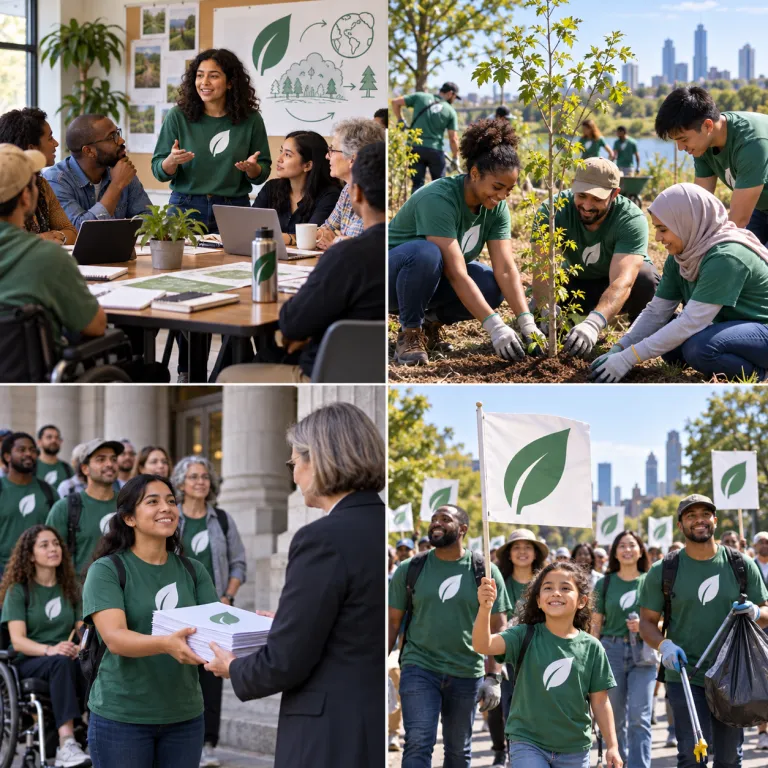
解説 Definition
共通の目的のために人々が組織的に行う社会的・政治的な運動を指す名詞。権利の拡大、制度改革、環境保護などを求めて広がる集団的な活動や潮流を表し、単なる身体の動きではなく、理念や要求を共有する人々の継続的な行動を表す。
Movement is the act of moving or changing position. It can describe physical motion of the body or of things around you. It can also refer to organized activity by a group working for a social, political, or artistic purpose.
覚え方のコツ Memory Tip
move を知っていれば核は「人や社会を動かすこと」。-ment は develop→development のように「行為・結果」を表す名詞語尾なので、movement は「動くこと」「まとまった動き」と覚えると広がりがつかめる。the civil rights movement, environmental movement のように、同じ目的で人が集まって広がる流れで頻出。motion が一回の動作・物理的な動き寄りなのに対し、movement は継続する活動や社会的うねりを指しやすい。
See movement as more than simple physical motion: it is a group of people being moved by one idea. The word is move + -ment, a force that keeps things moving forward. Learn it with common pairs like civil rights movement or environmental movement.
例文
The civil rights movement changed the history of the United States.
公民権運動はアメリカの歴史を変えた。
A growing movement is pushing for environmental protection.
環境保護を求める運動が広がっている。
She dedicated her life to the feminist movement.
彼女はフェミニズム運動に生涯を捧げた。
movement の類義語・関連語
movement の語源・成り立ち Etymology
movement は move+-ment「行為・結果」で、語源はラテン語 movere「動かす」です。motion や motivate も同じ語根を持ち、何かが位置を変えたり、ゆれたり、進んだりする感覚が中心にあります。だから movement が列車の動きやカーテンの後ろのわずかな動きを指すのは自然だと分かります。
Movement is formed from move and the suffix -ment. Move ultimately comes from Latin movere, meaning “to move.”
同じレベルの語彙をもっと
外部辞書で調べる
この英単語をクイズで覚えよう