意味一覧 (3件)
単純に
解説 Definition
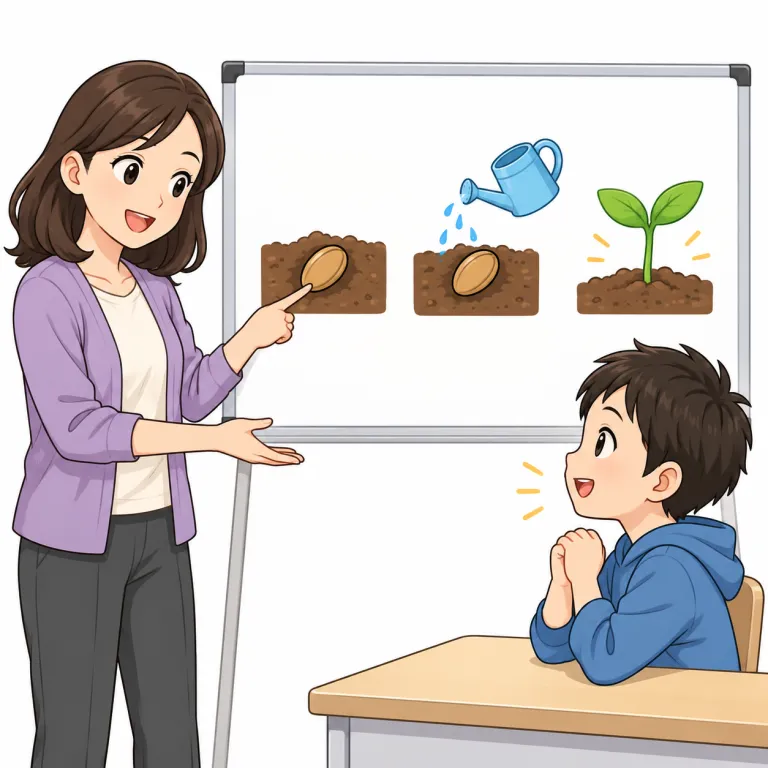
行為が複雑でない方法で行われること、または説明や表現が簡潔で分かりやすいことを表す副詞です。explain、write、state などとともに、内容や方法を簡単にする様子を示します。
Simply means in a plain, easy, or direct way. It can also mean only or just, to show that something is not complicated or has one main reason. It is common in both spoken and written English.
覚え方のコツ Memory Tip
simple「簡単な、複雑でない」に -ly が付いた形を手がかりに、「簡単な仕方で」と覚えます。explain simply、write simply、state simply のように、説明や表現を分かりやすくする場面と結びつけましょう。ここでは「ただ」や「本当に」ではなく、方法の簡単さが中心です。
See `simply` as the adverb form of `simple`. It often appears in phrases like `put simply`, `explain simply`, or `live simply`, where the idea is "without making it complicated." Keep it separate from `simplistically`, which often sounds too simple in a bad way.
例文
She explained the idea simply, using familiar words.
彼女はなじみのある言葉を使って、その考えを分かりやすく説明した。
The guide is written simply so that beginners can follow it.
そのガイドは初心者でも理解できるように、分かりやすく書かれている。
Try to state your argument simply and clearly.
自分の主張を簡潔かつ明確に述べるようにしてください。
ただ
(意味 2)
解説 Definition
simply が「単純に」ではなく、「ただ」「単に」の意味で使われる語義。人や物事を限定して、余計な意味づけを避けながら「それだけだ」「それにすぎない」と述べるときに使う。merely や just に近い。
Only or merely, with nothing more involved. This adverb limits a statement to the fact, purpose, or relationship being mentioned.
覚え方のコツ Memory Tip
simply はまず simple「単純な」に -ly が付いた副詞だと押さえると覚えやすいです。simple, simplify, simplicity と同じ語幹なので、見た瞬間に「複雑さを取り去って、そのまま・ただ」という感覚へつなげます。会話では just に近く、I simply don't know. のように「本当にただ分からない」と余計な説明を切る言い方でよく出ます。describe simply, put simply のように「わかりやすく言えば」とも使えるので、単純に行う/単刀直入に述べる場面をセットで覚えると定着します。
Connect simply with simple and imagine removing extra explanations until only the basic fact remains. In She is simply a colleague, it limits the relationship to being colleagues. Remember the phrase as saying that nothing more is implied.
例文
I simply wanted to ask one question.
私はただ一つ質問したかっただけです。
She is simply a colleague, not my manager.
彼女は私の上司ではなく、ただの同僚です。
This note is simply a reminder for tomorrow's meeting.
このメモは、明日の会議を知らせるためだけのものです。
本当に
(意味 3)
解説 Definition
評価や感情を強めて、「本当に」「まったく」という気持ちを表す語義。驚き、怒り、感心などを込めて文全体を強調し、話し手の強い反応を伝えるときに使う。会話でも書き言葉でも印象的に響く。
Used to strongly emphasize an opinion, feeling, or judgment, with the force of really or absolutely. It can express a strong reaction such as admiration, surprise, or frustration.
覚え方のコツ Memory Tip
simply は simple「単純な」に -ly が付いた副詞ですが、ここでは「ただ・単に」より一歩強く、「余計な説明を抜きにして、本当にそうだ」と押し切る強調語として覚えると使いやすいです。That was simply amazing. なら「単にすごい」ではなく「本当にすばらしい」。It's simply not fair. も「まったく公平ではない」という強い反応です。put simply のような「簡単に言えば」と切り分け、形容や判断をぐっと強める simply として覚えます。
Imagine setting aside extra explanation and stating your reaction with full force. In simply amazing, simply makes the admiration stronger. In simply not fair, it strengthens the speaker's objection.
例文
That was simply amazing.
それは本当にすばらしかった。
It's simply not fair to blame her for everything.
すべてを彼女のせいにするのはまったく不公平だ。
I simply can't understand his decision.
私は彼の決断が本当に理解できない。
simply の類義語・関連語
simply の語源・成り立ち Etymology
simply は simple + -ly で、simple は古フランス語を経てラテン語 simplex「一重の」にさかのぼります。背景には sem-「一つ」+ plic-「折る」があり、simplify も同根です。『一折りで済む』感じから、単純に・率直にの意味が見えてきます。
"Simply" is made from "simple" and the adverb ending "-ly." "Simple" came through Old French from Latin "simplex," meaning "single" or "plain," from parts meaning "one" and "fold." The idea moved from "made in one fold" to "not complex," so "simply" came to mean in a plain, direct, or uncomplicated way; "simplify" shares the same root.
同じレベルの語彙をもっと
外部辞書で調べる
この英単語をクイズで覚えよう