fair
fair は英検準2級レベルの英単語で、「公平な、博覧会、かなりの」という意味があります。発音記号は /fɛr/ です。
意味一覧 (3件)
公平な
解説 Definition
人や集団をえこひいきせず、同じ基準で扱うときに使う形容詞。判断、競争、規則、対応などが偏っていないことを表す。学校や職場、試合の場面で、結果や処分が納得できると言いたいときによく用いられる。
Treating people or groups by the same standards without favoring one side. It describes people, rules, decisions, or competitions that give everyone proper treatment.
覚え方のコツ Memory Tip
fair はここでは fair judge, fair rule, fair decision のように、「どちらかに傾かず、同じ基準で扱う」と置くと覚えやすいです。unfair が「ずるい・不公平な」なので、その反対として固定すると強い語です。job fair などの名詞「博覧会・市」とは別で、人・判断・ルール・試合の扱いが偏っていないときの形容詞だと切り分けましょう。
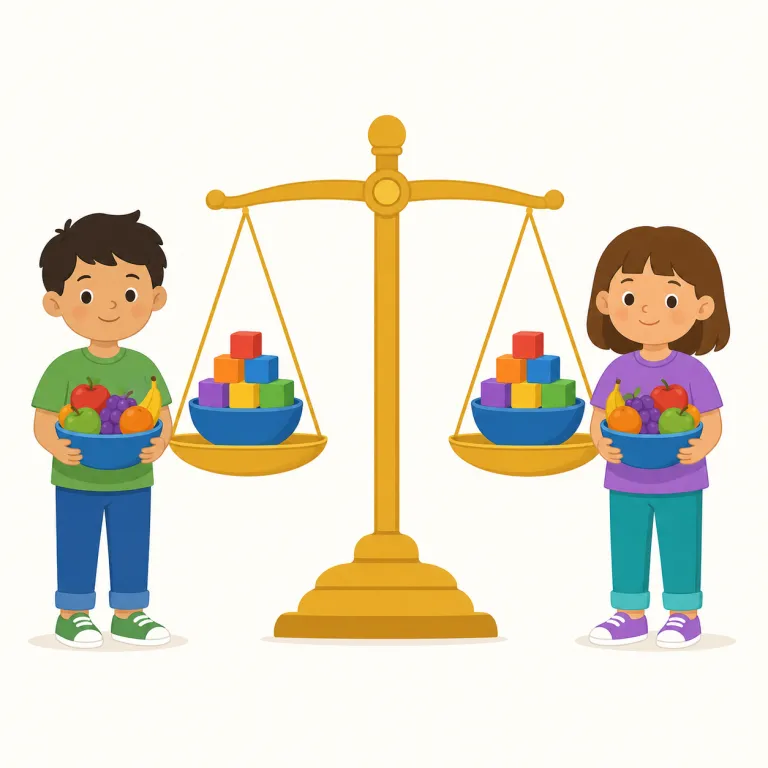
Picture a judge using the same rules for both sides. Link 'fair judge,' 'fair rule,' and 'fair decision' with this image, and remember that unfair is the opposite.
例文
The rule is fair.
そのルールは公平です。
This game is fair.
このゲームは公平です。
Our teacher is fair.
私たちの先生は公平です。
博覧会
(意味 2)
解説 Definition
名詞として、博覧会や市、見本市という意味があり、さまざまな商品や産業、文化を紹介・販売する催しを指します。多くの企業や店舗がブースを構えて出展したり、遊具や屋台が並んだりして、人々が特定の場所に集まる場です。地方の縁日や国際的な見本市など、規模や目的にかかわらずこうした催しに用いられます。
A fair is a public event where people gather to see, buy, or enjoy things. It can mean a local festival with rides, games, and food, or a larger event that shows products, ideas, or services. The exact meaning depends on the situation.
覚え方のコツ Memory Tip
まず job fair, trade fair, book fair, county fair の形で覚えるのが近道。fair はここでは「人・商品・情報が一か所に集まる催し」の箱で、就職イベント、見本市、本の展示販売会、地域の祭りまで共通して入る。market より期間限定でイベント感が強く、festival より展示や売買の要素が出やすい。形容詞の fair(公正な、かなりの)と混同しやすいので、a fair や複合語で見えたらまず名詞の「博覧会・市」を疑うと整理しやすい。
Learn this noun first in common pairs: job fair, trade fair, book fair, county fair. That gives you one clear picture: a temporary event where people, goods, or information gather in one place. If you see "a fair" or a compound with fair, think of an event, not the adjective fair.
例文
Many people visit the town fair.
多くの人が町の博覧会を訪れます。
We see new cars at the fair.
私たちは博覧会で新しい車を見ます。
Our school has a fair every year.
私たちの学校では毎年バザーがあります。
えいたんごクイズでの正答率
この語をはじめて出題された 34人 のうち 17人 が正解しました(50%)。
えいたんごクイズの回答から集計した独自データです。1人につき最初に出題されたときの1回だけを数えており、復習や2回目以降の回答、「わからない」と時間切れは含みません。 集計時点は 2026年9月19日 です。
かなりの
(意味 3)
解説 Definition
数量や程度が予想より大きいことを表し、金額、時間、努力、影響などの名詞の前でよく使う。最大級ではないが、無視できない大きさや重さがあるというニュアンスを持つ。少しの、わずかな、という意味ではない。
Quite large or considerable in amount or degree, though not extreme. It commonly describes quantities of money, time, or effort that are too substantial to count as small.
覚え方のコツ Memory Tip
a fair amount of ... の形でまず覚えるのが近道です。fair はここでは「少し」ではなく、「まあ十分ある、無視できないくらいある」という量の大きさを表します。a fair amount of time / a fair number of people / a fair chance のように、最大級ではないけれどちゃんと目立つ量です。job fair の「市」や fair「公平な」と混同せず、amount や number の前では「かなりの」と見ると整理しやすいです。
Learn 'a fair amount of' as a phrase meaning quite a lot of something. Picture a noticeable amount of money or time, and connect 'a fair number of people' with the same idea of a substantial quantity.
例文
She has a fair amount of money.
彼女はかなりのお金を持っています。
It took a fair amount of time.
かなりの時間がかかりました。
He ate a fair amount of cake.
彼はかなりの量のケーキを食べました。
fair の類義語・関連語
派生語
紛らわしい語
fair の語源・成り立ち Etymology
形容詞の「fair」は古英語 faeger「美しい・好ましい」に由来します。もとは見た目や状態がよいことを表し、そこから「正しく整っている」「偏りがなく納得できる」という意味へ広がりました。名詞 fair「市・博覧会」は別系統で、ここでは「整っていて公正」という流れから「公平な」と見えます。
The adjective comes from Old English faeger, meaning 'beautiful' or 'pleasing.' Its meaning broadened from a good appearance or condition to treatment that is just and free from bias.
同じレベルの語彙をもっと
英検準2級の一覧へ →外部辞書で調べる
この英単語をクイズで覚えよう