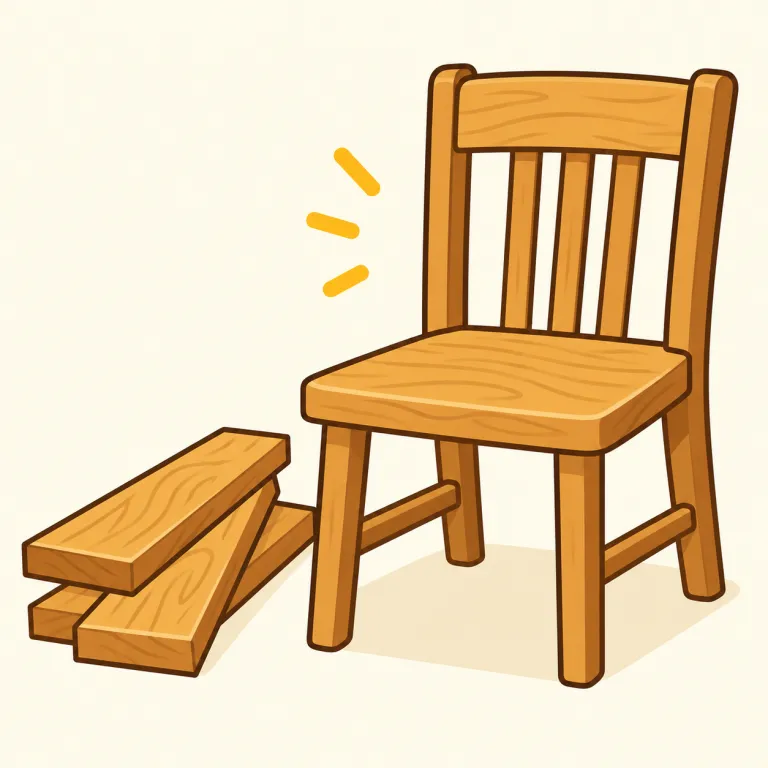
作られた
解説 Definition
made は make(作る)の過去形・過去分詞です。ここでは「作られた」という意味で、ものが何から、またはどこで作られたかを表すときによく使います。
Made is the past tense and past participle of make. In passive constructions, it describes something that was produced, and it can be followed by of for material, in for the place of production, or by for the maker.
覚え方のコツ Memory Tip
made は make の不規則な過去形・過去分詞で、発音は /meɪd/。make の語尾に単純に -ed を付ける形ではない。「be made of+材料」「be made in+場所」「be made by+製作者」の三つをセットで覚えると、「作られた」の受け身用法を正確に使える。
Made is the irregular past tense and past participle of make; it is pronounced /meɪd/ and is not formed by simply adding -ed. For the meaning “produced,” learn three common passive patterns together: be made of wood identifies a material, be made in Japan identifies a place of production, and be made by my mother identifies the maker. These fixed combinations make the grammatical role easy to recognize. Also compare made from, which is often used when the original material has been transformed and is no longer easily recognizable.
例文
This chair is made of wood.
このいすは木で作られています。
The cake was made by my mother.
そのケーキは母によって作られました。
This bag is made in Japan.
このバッグは日本で作られています。
made の類義語・関連語
類義語
対義語
紛らわしい語
made を含む表現
句動詞・イディオムなど 4 件。クリックで各表現の詳細へ。
made の語源・成り立ち Etymology
古英語 macian(作る、形づくる)から。ゲルマン祖語 *makōną に由来し、印欧祖語 *mag-(こねる)が語源。関連語:make, match。粘土をこねて形を作る動作が原義で、広く「作る・製造する」の意味に発展した。
Made is the inherited past form and past participle of make. Make comes from Old English macian, meaning “to make, construct, or arrange,” and is related to forms in other Germanic languages. Its deeper history is commonly connected with the physical action of shaping or kneading material. The modern spelling made reflects historical changes in the verb rather than the regular addition of the past-tense ending -ed.
同じレベルの語彙をもっと
外部辞書で調べる
この英単語をクイズで覚えよう