えいたんごクイズ
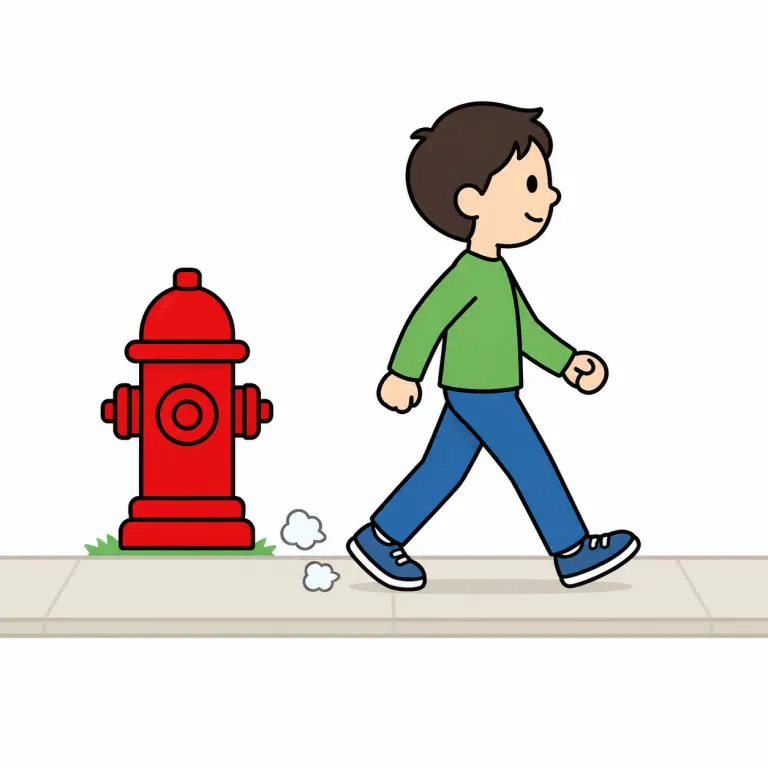
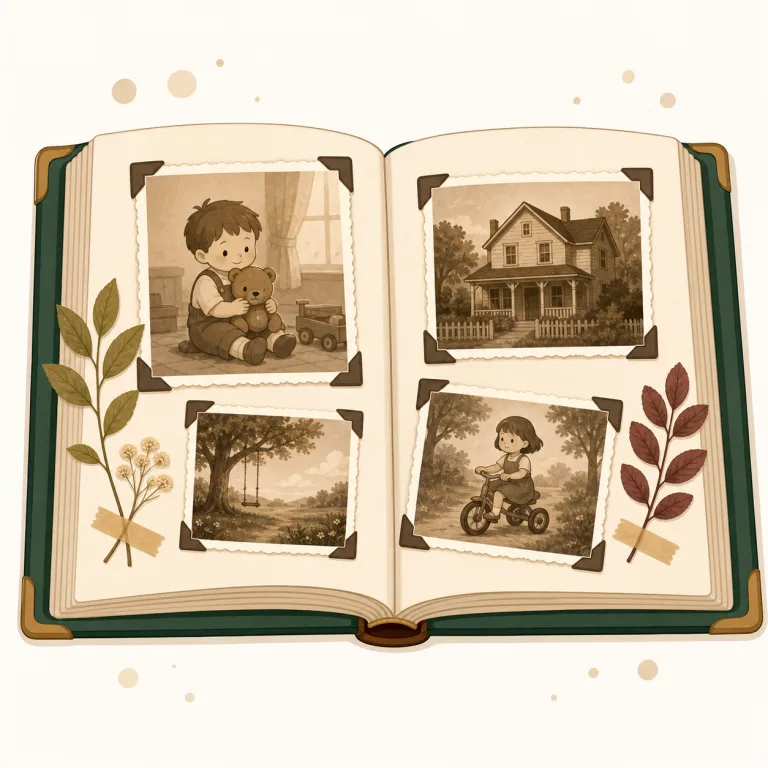
past(過去・名詞)の覚え方イラスト — 名詞の past は、時間を一本の道のように見て「もう通り過ぎて背後にある部分」と考えると自然です

past

/pɑːst/

past は英検4級・英検3級・英検準2級・英検2級レベルの英単語で、「過去、過去の、〜を過ぎて、〜を通り過ぎて」という意味があります。発音記号は /pɑːst/ です。

意味一覧 (3件)

noun

過去かこ

解説 Definition

現在から見てすでに過ぎ去った時間、またはその中で起きた出来事や経験をまとめて指す名詞。個人の来歴、社会の歩み、忘れられない記憶など、今に影響を残す「以前の時間」を語る場面で使う。

The past is the time before the present. It can mean earlier periods, events, or experiences in a person’s life or in society. It is often used when old memories, personal history, or former situations still affect the present.

覚え方のコツ Memory Tip

名詞の past は、時間を一本の道のように見て「もう通り過ぎて背後にある部分」と考えると自然です。in the past は「以前は」、a painful past は「つらい過去」のように、単なる年代だけでなく記憶や経歴にも使えます。history が記録・研究対象としての歴史に寄りやすいのに対し、past は本人が背負っている前歴や、現在と対比される昔の状態を広く表します。

Think of time as a road. The past is the part of the road you have already walked, now behind you. In phrases like in the past or a painful past, it can mean old times, memories, or personal background. History often sounds more like recorded or studied events, while past can feel closer to someone’s own life and earlier experiences.

例文

We cannot change the past, but we can learn from it.

過去を変えることはできないが、そこから学ぶことはできる。

She rarely talks about her painful past.

彼女はつらい過去についてほとんど話さない。

In the past, this town was known for its small factories.

以前、この町は小さな工場で知られていた。

adjective

過去かこ

(意味 2)

解説 Definition

形容詞の past は、現在より前の時期に属する人・物・出来事を表す。past week や past experience のように名詞の前で使われ、「過去の」「これまでの」という意味になる。現在の状態や最新の情報と比べる文脈でよく現れる。

As an adjective, past describes people, things, events, or periods that belong to a time before now. It is often used before a noun, especially when comparing earlier time with the present or with the latest information. It can mean “former,” “previous,” or “up to now,” depending on the context.

覚え方のコツ Memory Tip

まず基本動詞 pass「通り過ぎる」を軸にすると覚えやすいです。past は「ある基準点をもう越えている」という感覚で、時間なら ten past five で「5時10分過ぎ」、場所なら walk past the station で「駅を通り過ぎる」。after が単に「〜の後」で順序を述べやすいのに対し、past は「基準線を越えた」イメージが強いのが違い。名詞の past「過去」と混同せず、前置詞では『基準を越えて先へ』で押さえると残ります。

Connect past with the basic verb pass, meaning “to go by” or “to move beyond.” If something is past, imagine it has already passed a point in time, so it belongs to the time before now. This also helps you understand uses like ten past five or walk past the station, but as an adjective, past usually means “earlier” or “not current.”

例文

The past week has been very busy for our team.

この1週間は私たちのチームにとってとても忙しかった。

She learned a lot from her past experience as a manager.

彼女は管理職としての過去の経験から多くを学んだ。

Past mistakes should not stop you from trying again.

過去の失敗が、もう一度挑戦することを妨げるべきではない。

preposition

〜をぎて、〜をとおぎて

(意味 3)

解説 Definition

場所や時刻を基準点として、それを越えて先へ進んだ位置・状態を表す前置詞。walk past the library なら「図書館の前を通り過ぎて」、past midnight なら「真夜中を過ぎて」という越境の感覚が中心。

Past means beyond a person, place, or point, usually after moving by it. It is often used when talking about direction, movement, or time. As a preposition, it shows that something goes farther than a certain point.

覚え方のコツ Memory Tip

前置詞の past は「基準点を越える」イメージで押さえると使いやすいです。場所では go past the gate のように、ある地点の前を通ってその先へ進む動きを表します。時間では ten past five「5時10分」、past the deadline「締め切りを過ぎて」のように、時刻や期限を越えた状態を示します。名詞の「過去」と同じく「通り過ぎた」感覚を持ちますが、こちらは後ろの名詞を基準にして位置や時刻を説明する働きです。

`Out` gives the idea of pushing things out fast and continuously. Think of a factory or media company that `churns out` products, reports, or content one after another. The hook is quantity and speed, often with a slightly mechanical feeling.

例文

It is already past midnight, so you should go to sleep.

もう真夜中を過ぎているので、寝たほうがいいです。

Walk past the library and you will find the post office on your left.

図書館を通り過ぎると、左手に郵便局があります。

We drove past the station without stopping.

私たちは駅を通り過ぎ、止まらずに進んだ。

past を含む表現

句動詞・イディオムなど 1 件。クリックで各表現の詳細へ。

past の語源・成り立ち Etymology

past は pass「通る、過ぎる」の過去分詞に由来します。古フランス語 passer、俗ラテン語 passare「一歩進む」から来て、通り過ぎた時間が「過去」という意味になりました。

Past comes from the past participle of pass, meaning “to go by” or “to move through.” It developed through Old French passer and Vulgar Latin passare, meaning “to step” or “to move forward.” The idea of time that has passed by became the meaning “the past.”

外部辞書で調べる

この単語をシェア

この単語を英単語クイズで覚えよう