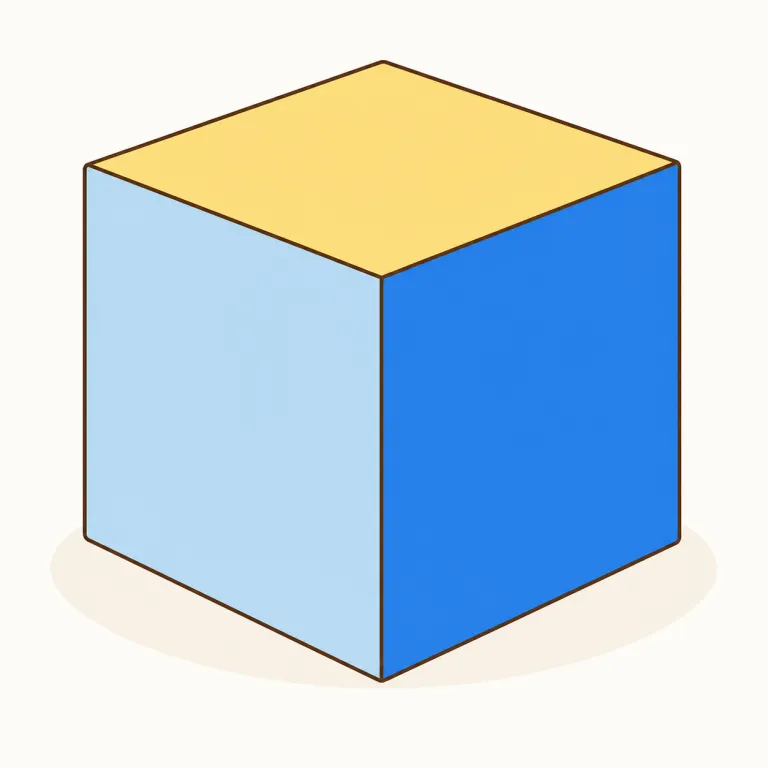
side
side は英検4級レベルの英単語で、「側、横、面、味方する、支持する」という意味があります。発音記号は /saɪd/ です。
意味一覧 (2件)
側、横、面
解説 Definition
物や場所の端に近い部分、または左右どちらかの側を表す名詞です。建物の横、道の片側、箱の面など、位置や向きを説明するときに広く使われます。文脈によっては、側面や片面という感覚で理解すると自然です。
覚え方のコツ Memory Tip
side はまず「中心ではなく、端・横・片面」を核に置くと覚えやすいです。paper の side は紙の面、station の west side は駅の西側、box の side は箱の側面。動詞 side with A「Aの味方をする」は『Aの側に立つ』という比喩ですが、この行では物理的な位置や向きの side を先に固定します。front/back「前・後ろ」と left/right「左・右」を思い浮かべ、その横や片側を指す語が side だと整理すると記憶に残ります。
例文
This side is red.
この面は赤いです。
I sit by your side.
私はあなたの横に座ります。
The dog is on that side.
犬はあちら側にいます。
味方する、支持する
(意味 2)解説 Definition
議論や対立、選択の場面で、ある人や集団の立場に立って支持することを表す動詞。単に横に並ぶという意味ではなく、意見や利害を共有して味方になる、肩を持つというニュアンスで、政治・法律・日常会話など幅広い場面で使われる。
To side means to support one person, group, or opinion in a disagreement or conflict. It is often used when choosing which position or team you agree with.
覚え方のコツ Memory Tip
名詞の side「横・側」を知っていれば、動詞は『その人の側に立つ』と考えると覚えやすいです。物理的に横にいるのではなく、議論や対立で相手の side に入る=味方する、支持する、という発想です。よく出るのは side with A で、『Aの肩を持つ』の定番表現。support よりも、対立する二者のうちどちら側につくかをはっきり示す感じが強めです。take sides『どちらか一方に肩入れする』、remain neutral『中立でいる』と対比すると記憶に残ります。
If you know the noun `side`, the verb is easy: to `side` with someone is to stand on that person's side. It is often used in arguments or conflicts, so `side with A` is a strong memory pattern. This makes it more specific than `support`, because it shows which side you choose. Compare it with `take sides` and `remain neutral` to make the meaning stick.
例文
I side with my friend.
私は友達の味方をする。
Which team do you side with?
あなたはどのチームの味方ですか。
They sided with their friends.
彼らは友達の味方をした。
side の類義語・関連語
side の語源・成り立ち Etymology
side は古英語 sīde 由来で、「脇・へり」の感覚を表すゲルマン系の語です。体の横や物の外側を指す基本像が、そのまま「側・横・面」という名詞の芯になりました。関連語は beside, alongside です。
同じレベルの英単語をもっと
英検4級の一覧へ →外部辞書で調べる
この単語を英単語クイズで覚えよう