whole
whole は英検3級・TOEIC 600レベルの英単語で、「全体の、すべての、全体」という意味があります。発音記号は /hoʊl/ です。
全体の、すべての、全体
解説 Definition
全体が欠けずに一つにそろっていることを表す語で、形容詞では「全体の」「すべての」、名詞では「全体」を意味する。部分ではなくまとまり全体に注目するときに使われ、人や物、時間、金額など幅広い対象について述べることができる。
Whole means complete, full, or not divided into parts. As a noun, the whole means all of something considered together. It is often used to emphasize total amount or completeness.
覚え方のコツ Memory Tip
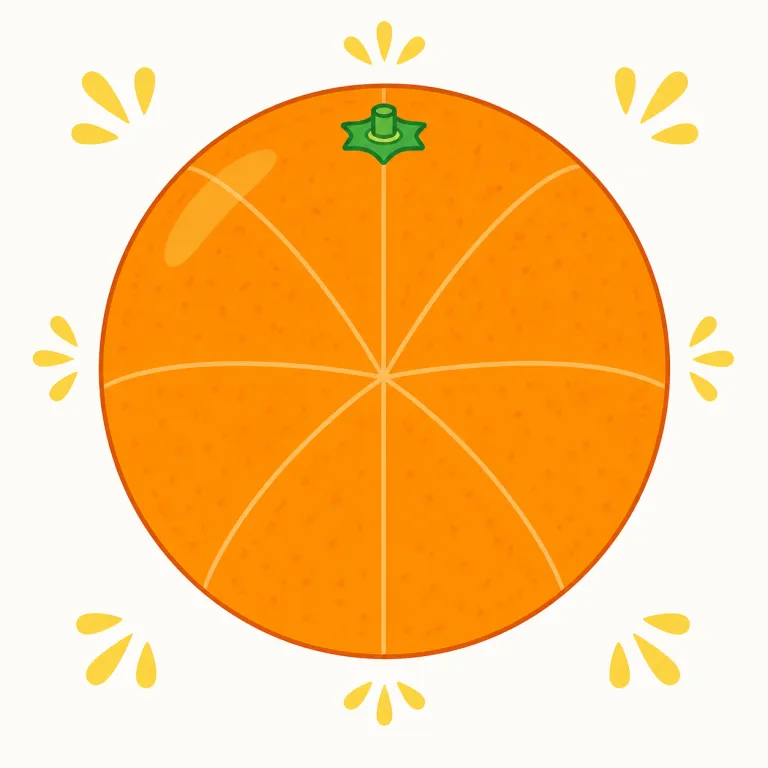
whole は all と近いですが、ただ数が全部というより「部分に分かれず、まとまりとして全部」を意識すると覚えやすい語です。a whole cake はケーキ丸ごと、the whole story は話の全体、the whole day は一日まるごと。part や piece と対比すると定着します。つづりは hole に w が付くので紛らわしいですが、意味は逆で「穴」ではなく「欠けずに一つの全体」です。
Think of a whole cake or the whole story: all of it considered as one complete thing. The spelling resembles hole, but whole means complete or undivided rather than an empty opening.
例文
I ate the whole apple.
私はリンゴを丸ごと食べました。
Read the whole book.
本を全部読みなさい。
The whole class is here.
クラス全員がここにいます。
えいたんごクイズでの正答率
この語をはじめて出題された 54人 のうち 45人 が正解しました(83%)。
えいたんごクイズの回答から集計した独自データです。1人につき最初に出題されたときの1回だけを数えており、復習や2回目以降の回答、「わからない」と時間切れは含みません。 集計時点は 2026年9月19日 です。
whole の類義語・関連語
類義語
対義語
派生語
紛らわしい語
whole を含む表現
句動詞・イディオムなど 6 件。クリックで各表現の詳細へ。
whole の語源・成り立ち Etymology
whole は古英語 hal「傷のない・健全な」から来た語で、分解するより語幹 whole 自体に「欠けていない」が入っています。heal や health も同根なので、whole が単なる量の全部ではなく「壊れず一つに保たれた全体」だと見ると意味が深まります。
Whole comes from Old English hal, meaning unhurt, complete, or healthy. It is closely related to heal and health, which show the older idea of being undamaged and sound. Over time, this sense of "not broken" became the modern idea of something complete in all its parts.
同じレベルの語彙をもっと
英検3級の一覧へ →外部辞書で調べる
この英単語をクイズで覚えよう