ホール
noun 名詞ゴルフコースを構成する各区間、またはそこでの一回分のプレーを指す。ティーからグリーン上のカップまでを一つの hole と数え、通常は番号や規定打数とともに用いる。
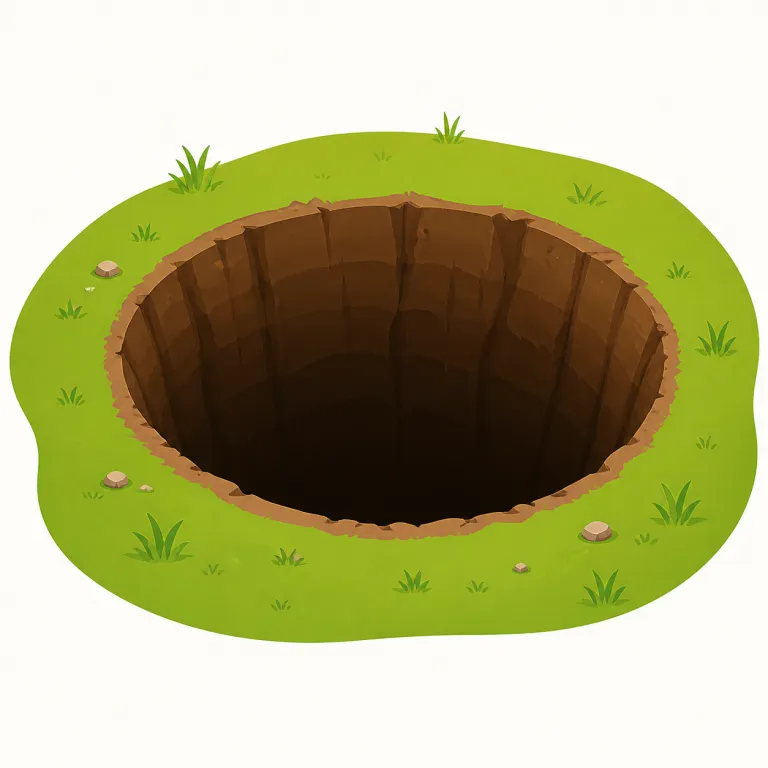
hole は英検3級レベルの英単語で、「穴」という意味があります。発音記号は /hoʊl/ です。
地面や壁などの表面にある開口部や窪み。物を隠したり入れたりする穴、または何かが通る空間を指します。
A hole is an empty space or opening in something solid. It can be natural, like a hole in the ground, or made by damage or use, like a hole in clothing or a wall. The word is common in both everyday and practical situations.
hole は「表面にぽっかり空いた場所」として覚えると意味がぶれません。ground に dig a hole、wall に a hole in the wall、sock に a hole in my sock のように、何かの面に開いた穴でよく使います。hollow は「中が空の」という状態、pit は地面の深い穴、gap はすき間で少し違います。whole はつづりが似ていますが「全体の」で正反対なので混同注意。black hole や fill a hole までセットで覚えると定着しやすいです。
Picture a hollow space or an opening in something solid: a hole in the ground, a wall, or a sock. Link hole with hollow, and contrast it with whole, which means complete.
There is a hole in the wall.
壁に穴があります。
The dog digs a hole in the yard.
犬が庭に穴を掘ります。
There is a small hole in the ground.
地面に小さな穴があります。
この語をはじめて出題された 39人 のうち 36人 が正解しました(92%)。
えいたんごクイズの回答から集計した独自データです。1人につき最初に出題されたときの1回だけを数えており、復習や2回目以降の回答、「わからない」と時間切れは含みません。 集計時点は 2026年9月19日 です。
文脈によって、次の意味でも使われます。
ゴルフコースを構成する各区間、またはそこでの一回分のプレーを指す。ティーからグリーン上のカップまでを一つの hole と数え、通常は番号や規定打数とともに用いる。
議論・計画・説明などにある重大な欠点や、必要な情報が抜けている部分を指す。物理的な穴ではなく、内容の不完全さを表し、a hole in an argument のように使われる。
古英語 hol(穴、くぼみ)から。ゲルマン祖語 *hulą に遡り、印欧語根 *kel-(覆う、隠す)に由来する。hollow(中空の)、hull(船体・殻)と同根。覆われた空間=中がくり抜かれた場所というイメージから「穴」の意味になった。
Hole comes from Old English hol, meaning a hollow place or opening. It goes back to a Germanic root and may be connected to the Indo-European root *kel-, meaning to cover or hide. The basic idea is of an enclosed or hollow space. It is related to English words like hollow and hull.
この英単語をクイズで覚えよう