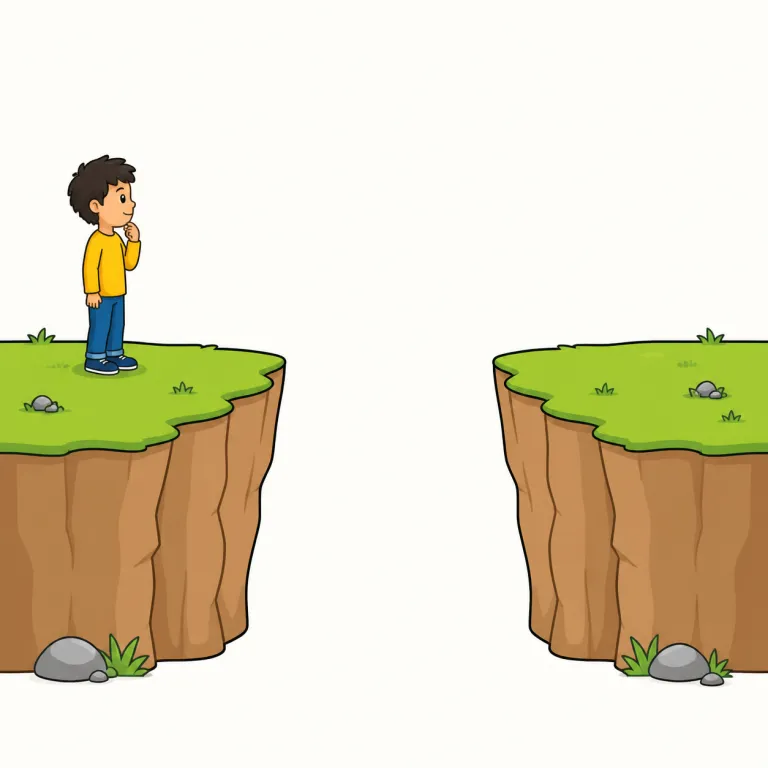
gap
gap はTOEIC 730・TOEFL 60・IELTS 5.5レベルの英単語で、「隔たり、隙間」という意味があります。発音記号は /ˈɡæp/ です。
隔たり、隙間
解説 Definition
二つの物や状態のあいだにある空き、隙間、差を表す名詞。物理的には壁や列のすき間を指し、抽象的には知識、能力、所得、世代などの隔たりや差異にも広く使われる。文脈によって「隙間」「差」「隔たり」などと訳し分ける。
A gap is an empty space between two things. It can also mean a difference or lack of connection between people, ideas, or amounts. It is often used for physical spaces and for problems caused by separation.
覚え方のコツ Memory Tip
gap は「ぴったり埋まっていない空き」を核にすると覚えやすいです。まずは a gap between the doors のような物理的なすき間。そこから age gap, income gap, knowledge gap, generation gap のように、人や社会の「差」「隔たり」にそのまま広がります。difference が単なる違いにも使えるのに対し、gap は距離があり、埋める必要がありそうな響きが強い語です。close, narrow, fill, bridge the gap をまとめて覚えると、意味と使い方が一緒に定着します。
Think of a gap as an empty space that should be filled. Start with a physical picture like a gap between two teeth or two doors, then extend it to age gap, income gap, or knowledge gap. Useful partners like fill, close, narrow, and bridge the gap help fix the word in memory.
例文
There is a gap in the wall.
壁に隙間がある。
There is a small gap under the door.
ドアの下に小さな隙間がある。
The cat goes through a gap.
ネコは隙間を通り抜ける。
えいたんごクイズでの正答率
この語をはじめて出題された 36人 のうち 33人 が正解しました(92%)。
えいたんごクイズの回答から集計した独自データです。1人につき最初に出題されたときの1回だけを数えており、復習や2回目以降の回答、「わからない」と時間切れは含みません。 集計時点は 2026年9月19日 です。
gap の類義語・関連語
gap の語源・成り立ち Etymology
gap は古ノルド語 gap「裂け目・ぽっかり開いた所」にさかのぼり、印欧語根 *ghieh-「あくびする、開く」とつながります。だから単なるすき間だけでなく、世代差や認識差のような埋まらない隔たりにも使えるのです。関連語は gape, gaping。
"Gap" comes from Old Norse gap, meaning a break, opening, or empty space. It is related to an old Indo-European root meaning "to yawn" or "to open wide." The idea of an open space later grew from a physical hole to a wider sense of separation, as in a generation gap or a gap in understanding. Related English words include "gape" and "gaping."
同じレベルの語彙をもっと
TOEIC 730の一覧へ →外部辞書で調べる
この英単語をクイズで覚えよう