乏しさ、欠如
noun 名詞知識、発想、表現、証拠などが著しく不足していることを比喩的に表す名詞。the poverty of ... や a poverty of ... の形が多く、金銭的な貧困ではなく、内容の乏しさや質の低さを批判的にいう。
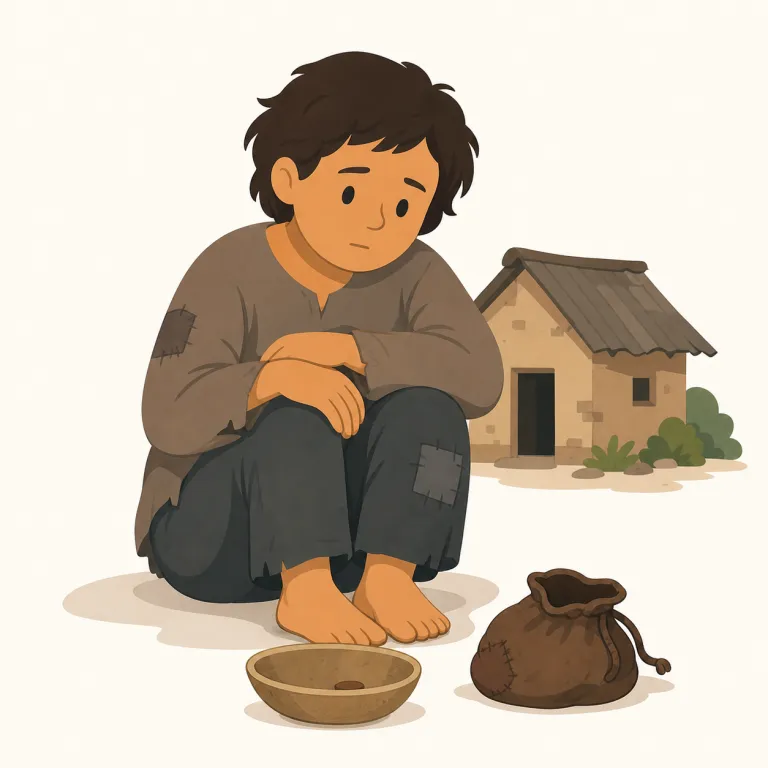
poverty は英検準2級・TOEIC 730・TOEFL 60・IELTS 5.5レベルの英単語で、「貧困」という意味があります。発音記号は /ˈpɑːvərti/ です。
生活に必要な金銭や物資が不足している状態のことです。経済的に困窮し、十分な生活水準を維持できない社会的状況を指します。
Poverty is the condition of being very poor and not having enough money or basic things needed for a decent life. It is often used when talking about society, living conditions, health, education, and government policy. The word usually refers to a serious long-term situation, not just a temporary lack of money.
poor(貧しい)を知っていれば、その“状態・問題”を表す名詞が poverty だと結びつけると覚えやすいです。形は poor からかなり変わるので、セットで暗記するのがコツ。poor は「貧しい人・家庭」を描く語、poverty は「貧困という社会状態」を語る語です。fight poverty, live in poverty, poverty rate, extreme poverty の形でよく見ます。一時的にお金がないだけでなく、生活水準の低さが続くイメージを持つと定着します。
Link it with `poor`, but remember the form changes a lot, so learn them as a pair: `poor` and `poverty`. `Poor` often describes people or families, while `poverty` sounds like the bigger social condition. Common word groups like `fight poverty` and `live in poverty` help fix it in memory.
The program helps families escape poverty.
その制度は、家庭が貧困から抜け出すのを支援します。
Poverty can limit access to health care and education.
貧困は、医療や教育を受ける機会を制限することがあります。
The report examines the causes of poverty.
その報告書は貧困の原因を検討しています。
文脈によって、次の意味でも使われます。
知識、発想、表現、証拠などが著しく不足していることを比喩的に表す名詞。the poverty of ... や a poverty of ... の形が多く、金銭的な貧困ではなく、内容の乏しさや質の低さを批判的にいう。
古フランス語 poverté からで、ラテン語 paupertas(貧しさ)に由来。語根 pauper(貧しい)は pau-(少ない)+ parare(生み出す)で「わずかしか産出しない」が原義。poor(貧しい)やpauper(極貧者)が同根語。
"Poverty" came into English through Old French poverté, from Latin paupertas, meaning "poverty" or "lack." It is related to Latin pauper, "poor," which originally suggested producing or having very little. Over time, the word kept the idea of having too little, and it is related to English words such as "poor" and "pauper."
この英単語をクイズで覚えよう