
retirement
retirement は英検2級・TOEIC 860・TOEFL 80・IELTS 6.5レベルの英単語で、「退職、引退」という意味があります。発音記号は /riˈtaɪɚmənt/ です。
意味一覧 (2件)
退職
解説 Definition
仕事や職業から離れて、働かなくなること。通常、人が年を取ったときに起こる状態。
Retirement is the time when a person stops working permanently, usually because of age. It can also mean the period of life after leaving a job or career. The word is often used when talking about money, pensions, and later life plans.
覚え方のコツ Memory Tip
まず動詞 retire を核に覚えると定着しやすいです。「現役から退く=retire」、そこに -ment が付いて「その状態・出来事」になった名詞が retirement。resign が自分で辞める、quit が口語で「やめる」なのに対し、retirement は年齢や一区切りで仕事生活を終える感じ。retirement age, retirement plan, enjoy retirement をまとめて覚えると、単なる『退職』でなく『引退後の生活』まで自然に連想できます。
Build this word from `retire` first. Add `-ment`, which often makes a noun for a state or result, so `retirement` is the state or time after retiring. Remember common pairs like `retirement age`, `retirement plan`, and `enjoy retirement`.
例文
My father plans his retirement.
父は退職の計画を立てています。
Her retirement is next month.
彼女の退職は来月です。
We celebrate his retirement today.
私たちは今日、彼の退職を祝います。
えいたんごクイズでの正答率
この語をはじめて出題された 38人 のうち 29人 が正解しました(76%)。
えいたんごクイズの回答から集計した独自データです。1人につき最初に出題されたときの1回だけを数えており、復習や2回目以降の回答、「わからない」と時間切れは含みません。 集計時点は 2026年9月19日 です。
引退
(意味 2)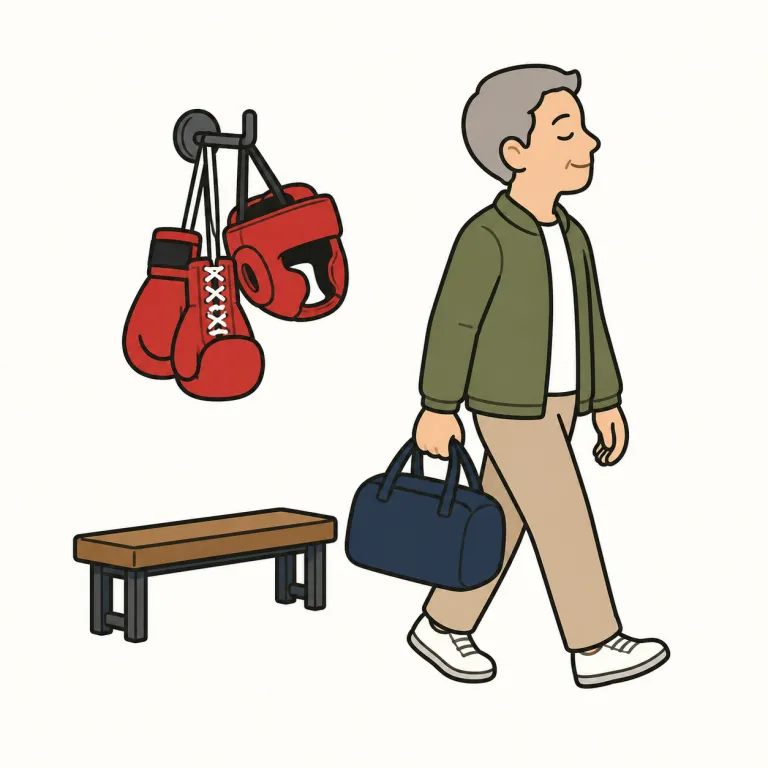
解説 Definition
スポーツ選手・俳優・政治家などが、その分野での現役活動や公的な立場から退くことを表します。会社を辞めるという意味の「退職」より広く、競技生活や芸能活動を終える文脈でよく使われます。
The act of ending an active career in a field such as sport, entertainment, or politics. It often involves leaving competition, performing, or public life after many years.
例文
The tennis player announced her retirement last month.
そのテニス選手は先月、引退を発表した。
Fans were shocked by the actor's sudden retirement.
その俳優の突然の引退にファンは驚いた。
After his retirement from racing, he became a coach.
レース界からの引退後、彼はコーチになった。
retirement の類義語・関連語
retirement の語源・成り立ち Etymology
フランス語 retraite(撤退)に由来し、re-(後ろへ)+ traire(引く、ラテン語 trahere)が語根。「後ろに引き下がる」が原義で、英語で -ment(行為・状態)が付き名詞化。関連語: retire, retreat。戦場から退く行為が転じて「職から退く=退職」に。
Retirement comes from retire plus the noun ending -ment. Retire entered English through French, from a root meaning "to draw back" or "pull back," related to Latin trahere. It first suggested moving away or withdrawing, as in leaving a battlefield, and later came to mean leaving work or public life.
同じレベルの語彙をもっと
英検2級の一覧へ →外部辞書で調べる
この英単語をクイズで覚えよう