empty
empty は英検2級・TOEIC 600レベルの英単語で、「空の、空にする」という意味があります。発音記号は /ˈɛmpti/ です。
空の
/ verb 動詞 空にする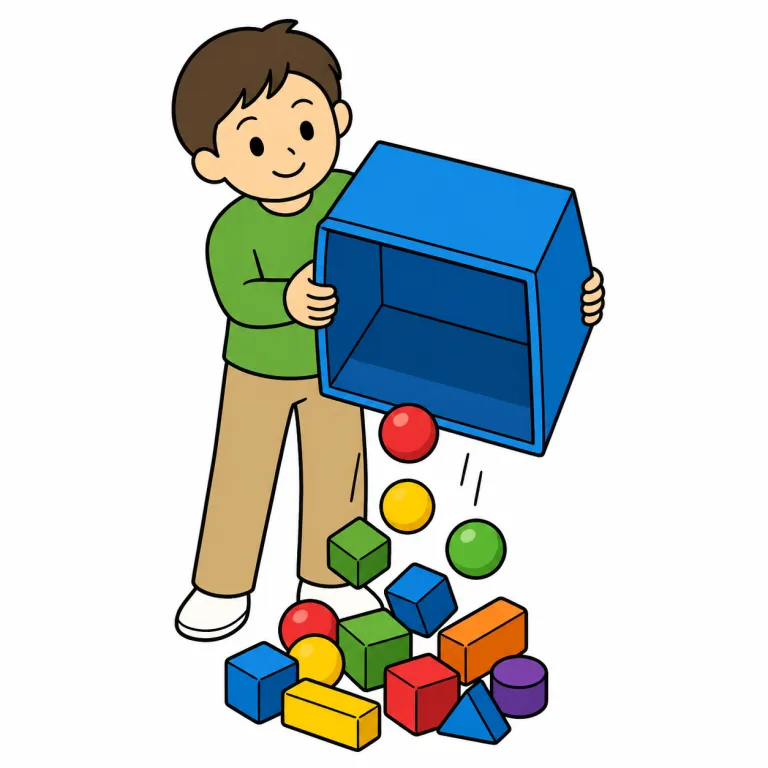
解説 Definition
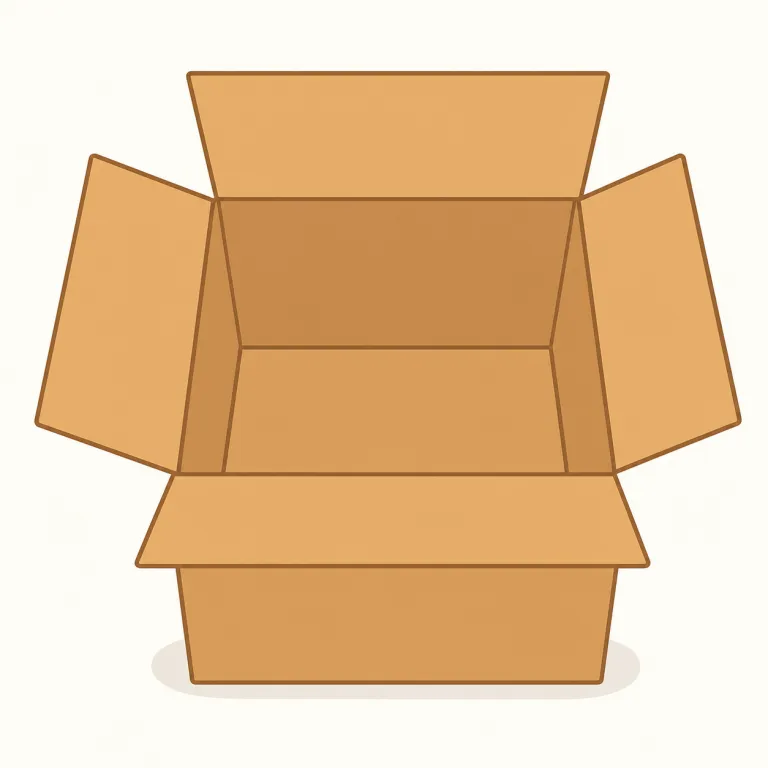
中に物や人が入っていない状態を表す形容詞です。箱・部屋・席・びんなど、何かが入るはずの場所に中身がないときによく使います。基本は物理的に空いている意味で、文脈によっては内容や価値が乏しい感じを表すこともあります。
Having nothing or no one inside. This adjective commonly describes a container with no contents, a room with nobody in it, or a seat that nobody is using.
覚え方のコツ Memory Tip
empty はまず形容詞の「空の」を土台に覚えると定着しやすいです。empty bottle, empty room, empty seat のように、容器・場所・席などに入っているはずの物や人がない状態を表します。動詞では empty the box のように「空にする」ですが、この行では動作ではなく、すでに中身がない状態が核心。full の反対として「中が入っていない」と押さえると使いやすいです。
Picture a bottle with nothing inside and a seat with nobody sitting on it. Remember empty as the opposite of full, and connect it with a state that already exists.
例文
The box is empty.
その箱は空です。
My cup is empty.
私のコップは空です。
This room is empty.
この部屋は空です。
えいたんごクイズでの正答率
この語をはじめて出題された 34人 のうち 30人 が正解しました(88%)。
えいたんごクイズの回答から集計した独自データです。1人につき最初に出題されたときの1回だけを数えており、復習や2回目以降の回答、「わからない」と時間切れは含みません。 集計時点は 2026年9月19日 です。
empty の類義語・関連語
empty の語源・成り立ち Etymology
古英語 ǣmtig(暇な、空いている)に由来し、ǣmetta(余暇・休息)から派生。原義は「占有されていない」で、そこから場所や容器が占められていない、つまり「中身がない・空の」という形容詞の意味につながった。関連語に emit(放出する)はない点に注意。
The word comes from Old English ǣmtig, meaning unoccupied or at leisure, derived from ǣmetta, meaning leisure or rest. The idea of being unoccupied developed into having no contents.
同じレベルの語彙をもっと
英検2級の一覧へ →外部辞書で調べる
この英単語をクイズで覚えよう