top off
top off は英検1級レベルの英熟語で、「補充する、締めくくる」という意味があります。発音記号は /ˈtɑːp ˈɔːf/ です。
意味一覧 (2件)
補充する
解説 Definition
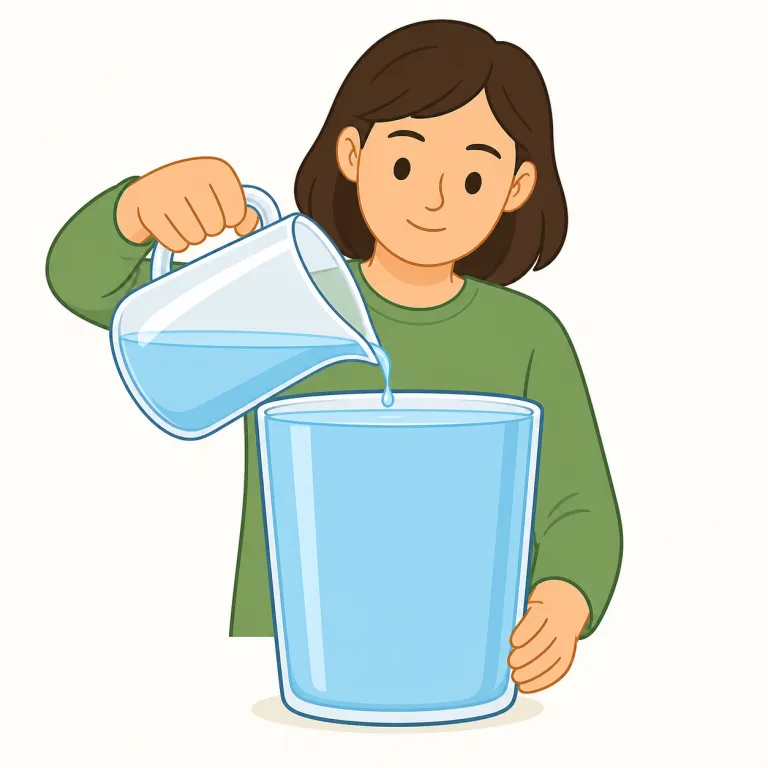
すでにある程度入っている容器やタンクに残りを足し、上限や満杯に近い状態まで満たすという意味で使う句動詞です。飲み物、燃料、液体などを最後に少し補充する場面でよく使われます。
To top off means to fill something to the highest point or add a little more to make it full. It is often used for drinks, fuel, or containers. It can also mean adding a final small amount to finish something neatly.
覚え方のコツ Memory Tip
top は「上端・てっぺん」なので、top off は「上まで最後のひと足しをする」と覚えると残りやすい表現です。fill up が空に近い状態から満たす場合にも使えるのに対し、top off はすでにかなり入っているグラスやタンクへ少量を足す場面でよく使います。top off a glass、top off a tank の形をまとめて覚えましょう。
`Top` is the upper part, so `top off` means add a little more until something reaches the top. It is not the same as filling something from almost empty; it is the final small addition. Think of common pairs like `top off a glass` or `top off the tank`.
例文
She topped off her glass before the toast.
彼女は乾杯の前にグラスを満たした。
Could you top off my coffee?
私のコーヒーをもう少し注いでもらえますか。
I topped off the gas tank before the trip.
私は旅行前にガソリンタンクを満タンまで補充した。
締めくくる
(意味 2)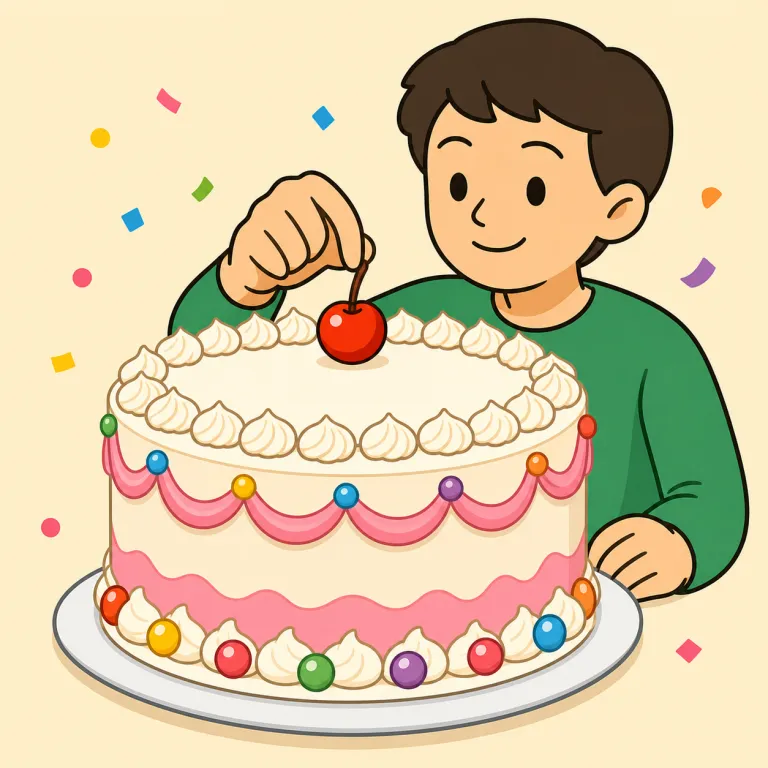
解説 Definition
出来事・食事・話などの終わりに、何かよい要素を最後に加えて全体を気持ちよく締めくくるときに使う。単なる補充ではなく、仕上げとして印象や満足感を高めるニュアンスがある。催しの最後の花火や、食後のデザート、結びの一言などによく使われる。
This phrasal verb means to finish an event, meal, speech, or other experience by adding one final enjoyable or impressive element. The addition makes the whole experience feel more complete or satisfying.
覚え方のコツ Memory Tip
top は『上端・てっぺん』、off は句動詞で『最後までやり切る』感覚を持つので、top off は『上まで少し足して完成させる』と一体で覚えると残りやすい。fill up が空に近い状態から満たす感じなのに対し、top off はすでにかなり入っているものへ“最後のひと足し”をする場面でよく使う。top off a glass / tank のほか、top off the evening のように『締めくくりを飾る』にも使える。似た表現 top up も近いが、top off は“仕上げ感”がやや強い。
Imagine something that is nearly complete receiving one last addition at the top. Unlike filling something from empty, this phrase emphasizes the final touch that completes an experience.
例文
We topped off the meal with homemade pie.
私たちは手作りのパイで食事を締めくくった。
The concert was topped off by an encore from the band.
そのコンサートはバンドのアンコールで締めくくられた。
She topped off her presentation with a short joke.
彼女は短い冗談で発表を締めくくった。
top off の類義語・関連語
top off の語源・成り立ち Etymology
top は古英語 topp「頂上・先端」、off は古英語 of「離れて」に由来します。容器の頂上まで中身を足すイメージから、「補充して満杯にする」という意味になりました。関連語に topmost「最上の」、topping「トッピング」があります。
Top comes from Old English topp, meaning the highest point or end, and off comes from Old English of, meaning away or apart. The phrase first suggested filling something right up to the top, then came to mean adding a little more to finish it. From there, it also developed a broader sense of completing something neatly, as in ending a meal or event.
同じレベルの語彙をもっと
英検1級の一覧へ →外部辞書で調べる
この英熟語をクイズで覚えよう