off
切れて、消えて
解説 Definition
勤務・授業・当番など、本来なら入る予定から外れている人や時間を表す形容詞です。I’m off tomorrow は「明日は休み」、off duty は「勤務から解放された状態」で、自由時間そのものより職務との対比が中心です。
As an adjective, "off" means not working, not at school, or not on duty when you normally would be. It often contrasts with a planned shift, class, or responsibility. The focus is not just free time, but being away from a usual duty or schedule.
覚え方のコツ Memory Tip
予定表の枠に名前が載っていない場面を思い浮かべます。on duty なら担当中、そこから外れた瞬間が off duty。day off はカレンダー上で仕事の列から外れた日です。free は単に空いていることも言えますが、off は「普段なら働く/出る立場から一時的に外れる」響きが強め。シフト、授業、当番と結びつけて覚えると、この形容詞の使いどころがはっきりします。
Picture a work schedule with your name removed from the box. When you are "on duty," you are responsible for the job; when you are "off duty," you are outside that responsibility. A "day off" is a day taken out of the normal work column, so connect "off" with shifts, classes, and duties.
例文
I'm off tomorrow, so I can meet you in the afternoon.
明日は休みなので、午後に会えます。
The nurse is off duty after eight tonight.
その看護師は今夜8時以降は勤務外です。
Our teacher is off today, so another teacher will take the class.
先生は今日は休みなので、別の先生が授業をします。
休みで
(意味 2)解説 Definition
人がその日仕事や当番に入っておらず、勤務から外れている状態を表す形容詞です。be off の形でよく使われ、休日・休暇・非番などを広く言えます。機械の電源が切れている意味とは別の用法です。
When a person is off, they are not working or not on duty at that time. It is often used with be, as in saying someone is off today, off tomorrow, or off for the weekend. This use means free from work or duty, not that a machine or light is switched off.
覚え方のコツ Memory Tip
まず on の反対として固定すると覚えやすい語です。switch off, turn off では「作動が切れる」、take off では元の場所から「離れる」、day off では仕事や学校から「外れる」。共通イメージは「基準の線・面・状態から離れていること」。off the table, off the road のように接触が外れる感覚も同じです。訳語を一つに決めず、「on だったものが外れる」とまとめると応用しやすく、つづりが近い of と混同しないよう注意すると定着します。
Think of off as the opposite of on. When you are off today, you are off the work schedule, just as a light is off when it is not working. The common image is being away from a line, surface, place, or normal state, as in off the road or off the table. Do not confuse off with of; off has two f’s.
例文
I’m off today, so I can meet you for lunch.
今日は休みなので、昼ごはんに会えます。
She is off this weekend after working five days in a row.
彼女は5日連続で働いたあと、今週末は休みです。
The doctor is off until Monday, but another doctor can see you.
その医師は月曜まで休みですが、別の医師が診察できます。
中止で
(意味 3)解説 Definition
試合・会議・約束・取引などが行われないことになった状態を表す形容詞です。天候や事情の変化で予定がなくなったり、話が白紙になったりしたときに使われます。単なる延期ではなく、中止や破談の含みが強めです。
When an event, plan, deal, or agreement is off, it has been cancelled or will not happen. It is often used when a match, meeting, appointment, or arrangement is stopped because of weather, a change of plans, or some other problem. It usually sounds stronger than simply postponed, and can suggest that the plan is no longer valid.
例文
The game is off because of the heavy rain.
大雨のため試合は中止です。
Our meeting is off, so you do not need to come to the office.
会議は中止になったので、会社に来る必要はありません。
After the final phone call, the deal was off.
最後の電話のあと、その取引は白紙になりました。
離れて
(意味 4)解説 Definition
副詞の off は、物が表面・接続点・基準位置から離れる動きや、その結果として作動しない状態を添えます。The label came off では接触の解除、turn off では電源の遮断。動詞の後ろで「離脱・停止」の向きを具体化します。
As an adverb, off means away from a place, position, or state of being connected. It is often used when something leaves, separates, or stops touching something else. It can also be used when a machine, light, or system is not operating.
覚え方のコツ Memory Tip
板に貼ったシールがはがれる絵を中心に置くと、come off「取れる」、fall off「落ちる」、take off「離陸する・脱ぐ」が一本につながります。共通するのは、接していた場所や続いていた状態から切り離されることです。この物理的な「離れる」感覚が、スイッチが切れる、予定から外れる、といった抽象的な用法にも広がりました。away よりも、元の接点があったことを意識すると使いやすくなります。
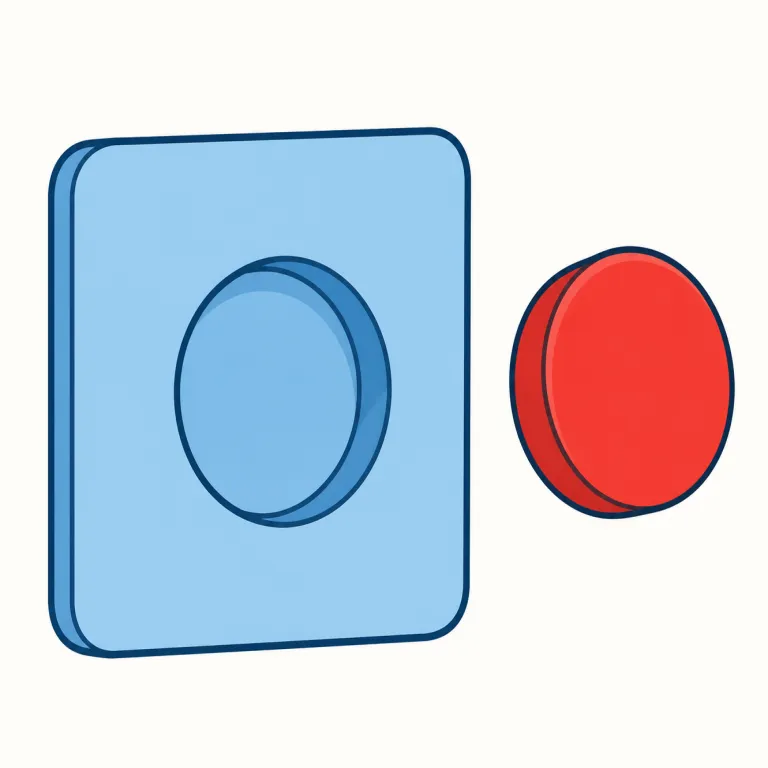
Start by fixing `off` as the opposite of `on`. If something was on a surface, on a machine, or on a schedule, `off` means it comes away from that state: `turn off`, `take off`, `day off`. Be careful not to mix it up with `of`, which is much more common in writing but means something very different.
例文
Please turn off the lights before you leave.
出る前に明かりを消してください。
The label came off the bottle.
ラベルがボトルから外れました。
I'm off tomorrow, so let's meet for lunch.
私は明日休みなので、昼食に会いましょう。
off を含む表現
句動詞・イディオムなど 13 件。クリックで各表現の詳細へ。
- have off 休みである L4
- off the charts 桁外れで L10
- off the cuff 即興で L10
- off the beaten track 人里離れた L11
- off the top of one's head 思いつきで L11
- go off the rails 脱線する L12
- off duty 非番 L12
- off one's rocker 正気でない L12
- off the record 公表しない条件で L12
- off color 調子が悪い L15
- have off 休みを取る L19
- off the record 非公式に L28
- off the top of my head 思いつきで L30
off の語源・成り立ち Etymology
古英語 of に由来し、もとは「離れて」「外へ」という感覚を持つ語です。予定や勤務から離れている状態にも広がり、「休みの」という形容詞用法が生まれました。
"Off" comes from Old English "of," which carried the idea of being away or separate from something. This sense later spread to being away from work, duty, or a schedule.
外部辞書で調べる
この単語を英単語クイズで覚えよう