意味一覧 (4件)
排出する
解説 Definition
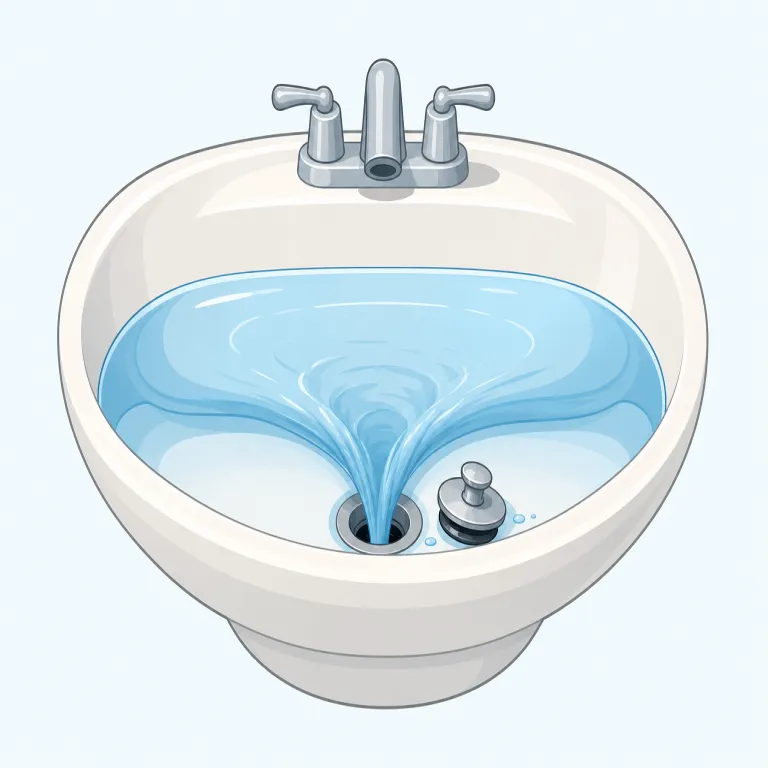
液体をある場所や容器から外へ流し出して、たまっている水分をなくす意味。配管・土地・傷口などから水や液体を抜く文脈でよく使い、自然に流れる場合にも、人が設備や穴を使って排水させる場合にも使える。詰まりや処理の話題とも結びつきやすい。
To make liquid flow out of a place or container so that little or none remains. It can describe removing water or other liquid through a pipe, opening, or medical procedure.
覚え方のコツ Memory Tip
drain はまず『液体を外へ流し出す』基本像で覚えると広がります。sink drain や drainage の drain と同じで、中のものが少しずつ抜けていく感覚です。そこから energy, money, time にも広がり、『体力・資金・時間をじわじわ奪って空にする』となります。使い方は drain your energy, drain resources, emotionally draining が頻出。瞬間的に使い切る exhaust より、時間をかけて消耗させる響きが強い語です。
Picture water gradually flowing out through a sink drain until the space is empty. Focus on phrases such as "drain water from a pool" and "drain liquid from a wound" for this physical liquid-removal sense.
例文
We drained the water from the pool.
私たちはプールの水を抜いた。
A small pipe drains rainwater from the roof.
小さな管が屋根から雨水を排水する。
The doctor drained some liquid from my knee.
医師は私のひざにたまった液を抜いた。
水気を切る
(意味 2)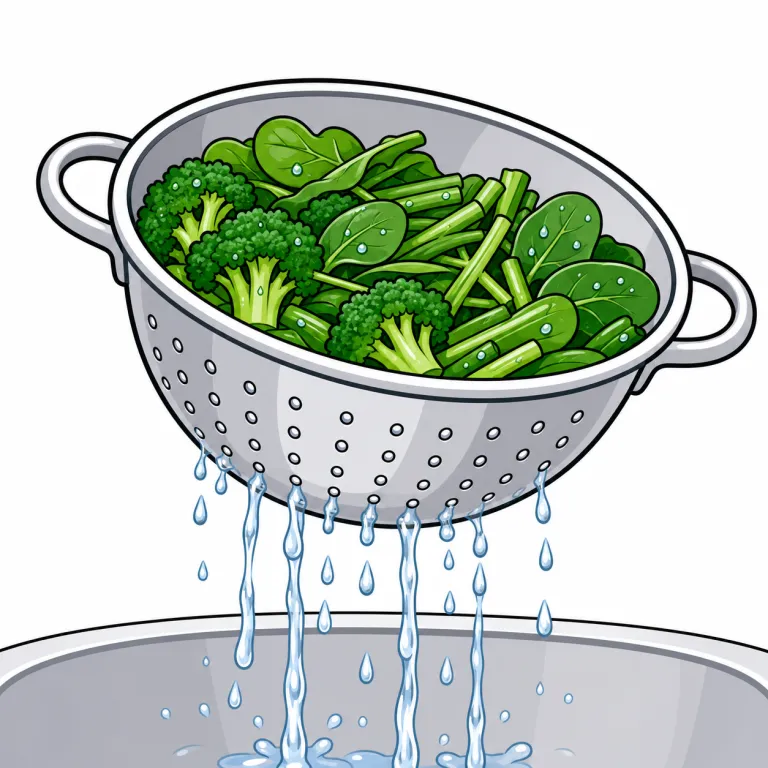
解説 Definition
食材や容器に残った液体を捨てて、中身を使いやすい状態にする意味。ゆでたパスタや缶詰の豆などの水分を落とす場面で頻出し、完全に乾かすというより余分な液を取り除く感覚が強い。容器の中身を空にする意味で使われることもある。
To remove excess liquid from food or a container, usually after cooking, washing, or opening it. The food is left ready to use but is not necessarily made completely dry.
覚え方のコツ Memory Tip
料理での drain は、食材をざるなどにあけて余分な液体を落とし、「水気を切る」ことです。ゆでたパスタをざるにあける場面を思い浮かべ、drain the pasta「パスタの水気を切る」、drain the beans「豆の水気を切る」と目的語ごと覚えましょう。食材を完全に乾かすのではなく、調理前に不要な水分を除くのがポイントです。
Picture pouring cooked pasta into a colander so that the unwanted water falls away. Learn common combinations such as "drain the pasta" and "drain the beans," remembering that the goal is to remove extra liquid rather than dry the food completely.
例文
Drain the pasta and add the sauce.
パスタの水気を切ってからソースを加えてください。
She drained the beans before putting them in the salad.
彼女は豆をサラダに入れる前に水気を切った。
Make sure to drain the vegetables after washing them.
野菜を洗ったあとは、必ず水気を切ってください。
飲み干す
(意味 3)
解説 Definition
飲み物を残さず一気に、または最後まで飲む意味。グラス・ボトル・カップなどの中身を空にする場面で使われ、単に飲むより勢いよく完飲する響きがある。口語では達成感や豪快さを伴うことが多い。
To drink all the liquid in a glass, bottle, or cup, leaving it empty. It often suggests finishing the drink quickly or with force.
覚え方のコツ Memory Tip
drain は本来、容器から液体を抜いて空にする感覚の語です。そこで人がグラスを drain すると、中身を最後の一滴まで自分の口へ移し、容器を空にする、つまり「飲み干す」と覚えると定着しやすいです。drink が単に「飲む」なのに対し、drain は飲み終えて空になる点と勢いを強調します。drain one's glass(グラスを飲み干す)、drain a bottle of water(ボトルの水を飲み干す)が定番。レース後にボトルを傾け、底まで空にする場面を固定しましょう。
Imagine moving every last drop from a glass into your mouth until the glass is empty. Unlike simply drinking, "drain your glass" emphasizes both finishing the drink and emptying its container.
例文
He drained his glass in one swallow.
彼はグラスの中身を一口で飲み干した。
She drained the bottle of water after the race.
彼女はレース後にボトルの水を飲み干した。
They drained their coffees and left the cafe.
彼らはコーヒーを飲み干して店を出た。
消耗させる
(意味 4)
解説 Definition
誰かの体力、エネルギー、または資源を徐々に使い切らせることです。人を疲れさせたり、弱くしたりすることを意味します。
To drain someone or something means to use up their energy, strength, money, or other resources. It is often used when something leaves a person feeling tired or empty, or when it slowly reduces what is available.
例文
Long working hours drain your physical and mental strength.
長時間労働は体力と精神力を消耗させます。
The emotional stress drained him completely.
精神的なストレスで、彼はすっかり疲れ果てました。
Medical bills can drain your savings quickly.
医療費で貯金が急速に減ることがあります。
drain の類義語・関連語
drain の語源・成り立ち Etymology
古英語 dreahnian(水を絞り出す)が語源。ラテン語 siccare(乾かす)とは別系統で、ゲルマン語の「引き出す」が原義。液体を抜き取る→体力・資源を抜き取る→「消耗させる」へ意味が拡張。関連語: drainage(排水)、drainer(水切り器)。
The source traces the word to Old English dreahnian, meaning to draw or squeeze water out. Its basic image is that of pulling liquid out of something.
同じレベルの語彙をもっと
外部辞書で調べる
この英単語をクイズで覚えよう