意味一覧 (2件)
すすぐ
解説 Definition
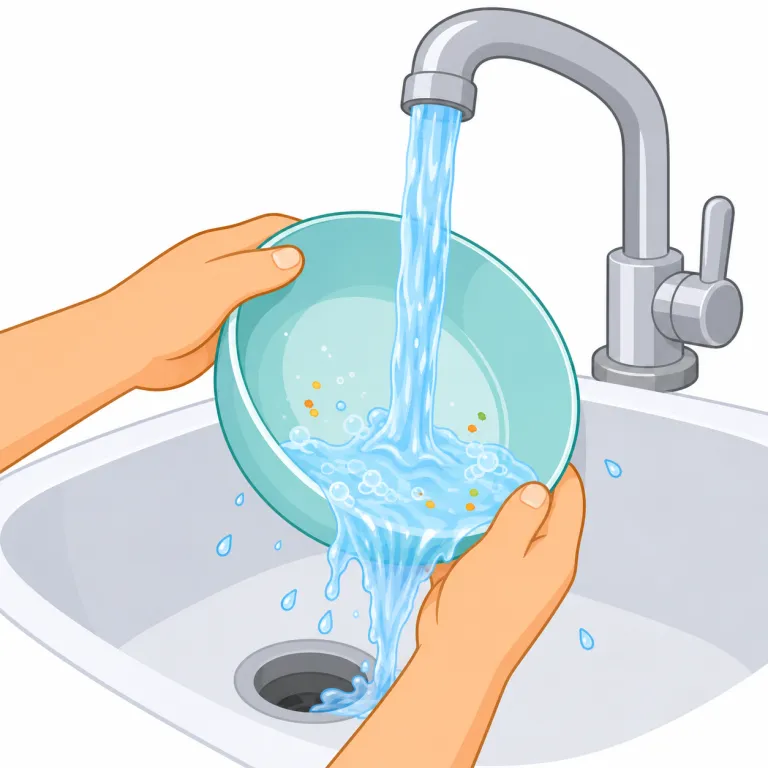
「すすぐ」という意味の動詞で、水を使って汚れや洗剤などを洗い流すことを表す。料理では食材を水で洗う際に使われ、洗髪やうがいの文脈でもよく登場する。「wash(洗う)」よりも軽い洗浄を指し、主に水だけで流す動作を表す。
Rinse means to wash something quickly with clean water, usually to remove soap, dirt, or other substances. It is commonly used when washing dishes, clothes, hair, or your mouth. It usually suggests a short and simple washing action, not a deep cleaning.
覚え方のコツ Memory Tip
wash が「洗う」全般なのに対し、rinse は「水や液体でさっと流して残りを落とす」と押さえると覚えやすいです。中心イメージは“洗う”より“流して仕上げる”。洗剤で洗う段階ではなく、その後に rinse off する感じです。shampoo and rinse、rinse your mouth、rinse the rice のように、水だけで軽くすすぐ場面で頻出。soak のように浸す動作ではなく、短く流す動きだと区別すると定着します。
Think of `rinse` as the quick water step after washing, not the whole washing process. You `wash` first, then `rinse` to remove what is left. Phrases like `rinse your mouth` and `rinse off` are very common. This helps separate it from `soak`, which means leaving something in liquid for longer.
例文
Make sure to rinse the vegetables thoroughly before cooking.
調理する前に野菜をしっかりすすぐようにしてください。
She rinsed her hair with cold water after shampooing.
シャンプーの後、彼女は冷水で髪をすすいだ。
Rinse your mouth with water after brushing your teeth.
歯を磨いた後は水で口をすすいでください。
えいたんごクイズでの正答率
この語をはじめて出題された 33人 のうち 30人 が正解しました(91%)。
えいたんごクイズの回答から集計した独自データです。1人につき最初に出題されたときの1回だけを数えており、復習や2回目以降の回答、「わからない」と時間切れは含みません。 集計時点は 2026年9月19日 です。
すすぐ、うがいする
(意味 2)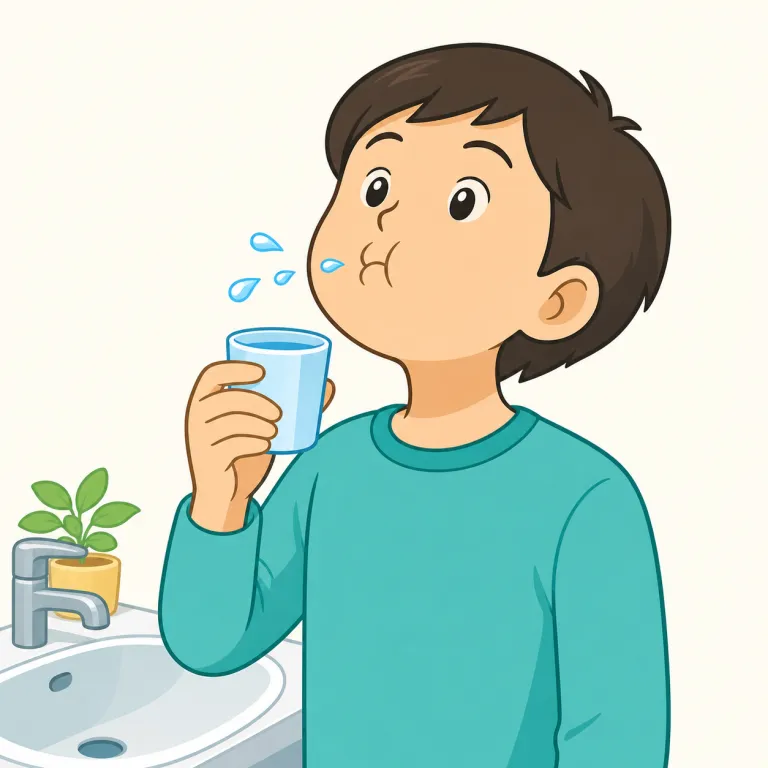
解説 Definition
水や液体で軽く洗い流して、汚れ・せっけん・食べかす・薬液などを取り除くことを表す動詞です。食器や髪、口の中など幅広い対象に使われ、強く洗うというより、表面をさっと流す動作を指します。
To rinse means to wash something quickly with clean water, usually to remove soap, dirt, or small amounts of something. It is commonly used for dishes, clothes, hair, or the mouth. It usually suggests a light washing, not a full cleaning.
覚え方のコツ Memory Tip
wash が「洗う」全般なら、rinse はその後に水でさっと流して残りを落とす場面で覚えると定着しやすい語です。shampoo your hair, then rinse it や rinse the dishes のように、せっけん・泡・食べかすを軽く流す感じが核。強くこする scrub ではなく、表面を流すだけ。口なら rinse your mouth で「口をすすぐ」。gargle は喉まで使う「ガラガラうがい」なので区別すると混同しにくいです。
Link `rinse` to the step after washing. You wash with soap or shampoo, then you rinse with water to remove what is left. It helps to contrast it with `scrub`, which means rubbing hard, and `gargle`, which is specifically for the throat.
例文
Please rinse the dishes before putting them in the dishwasher.
食器を食洗機に入れる前に、軽くすすいでください。
He rinsed his mouth with salt water every morning.
彼は毎朝、塩水で口をすすいでいました。
Rinse your hair thoroughly after using the shampoo.
シャンプーを使った後は、髪をしっかりすすいでください。
rinse の類義語・関連語
類義語
紛らわしい語
rinse の語源・成り立ち Etymology
rinse は古フランス語 rincer に由来し、さらに俗ラテン語で「新しく fresh にする」に近い形へさかのぼるとされます。単なる水洗いが「汚れを落として一新する」感覚を持ち、recent も同じく「新しい・新鮮な」発想を伝えます。
Rinse comes from Old French rincer, probably from a Vulgar Latin form linked to the idea of making fresh or clean again. Its history suggests more than simple washing: it is about renewing by removing what is unwanted. That is how the sense developed into washing lightly with water. It may be distantly related to words connected with freshness, such as recent.
同じレベルの語彙をもっと
外部辞書で調べる
この英単語をクイズで覚えよう