幽霊の出現、幽霊現象
noun 名詞幽霊が特定の場所に現れたり、不可解な物音などの超常現象が繰り返し起きたりすることを指します。通例は可算名詞として、a haunting や reported hauntings のように使われます。
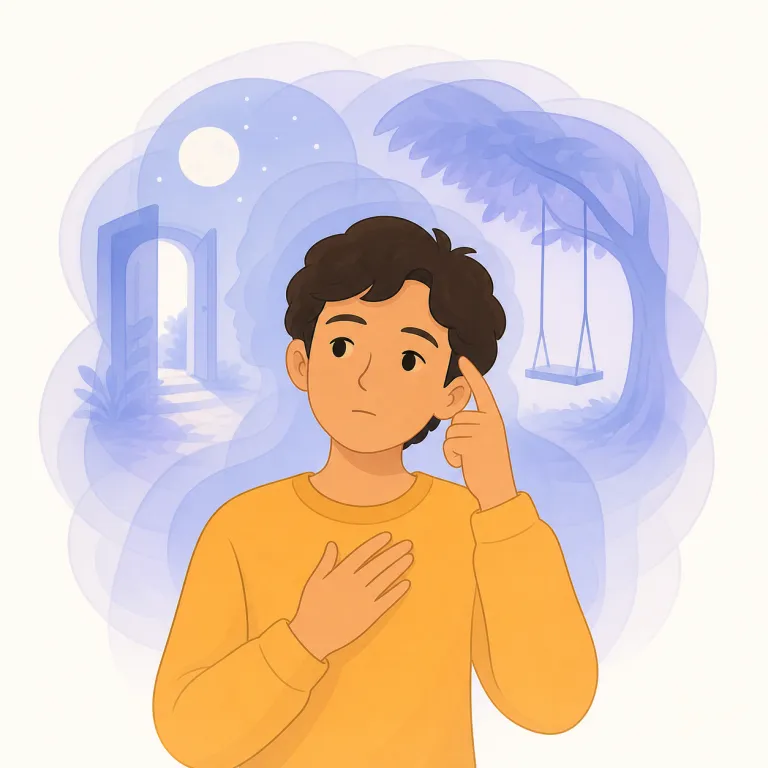
haunting はTOEIC 860・TOEFL 80・IELTS 6.5レベルの英単語で、「心に残る、つきまとうような」という意味があります。発音記号は /ˈhɔːntɪŋ/ です。
haunting は、記憶や感情、音楽、光景などが強く印象に残ってなかなか離れない様子を表す。美しく切ない場合にも、不気味で不安を誘う場合にも使え、「忘れがたい」「頭から離れない」といった余韻を含む語。
Haunting describes something that stays in your mind for a long time and is hard to forget. It is often used for music, memories, images, or feelings that are beautiful, sad, or slightly disturbing. The word suggests a deep emotional effect.
haunting はまず動詞 haunt「つきまとう・何度も現れる」を押さえると覚えやすいです。haunted house の haunted を知っていれば、幽霊のように何度も戻ってきて離れない感じが核だと分かります。そこから「不気味」の方向にも、「美しく切なく心に残る」の方向にも広がるのがポイント。a haunting melody, haunting image, haunting memory のように、音楽・情景・記憶が長く残る場面でよく使われ、単なる scary より“余韻が消えない”感覚が強い語です。
Link it to haunt, like in haunted house. The core image is something that comes back again and again and does not leave your mind. That is why haunting often goes with melody, image, or memory: not just scary, but lingering.
A haunting fear stayed with him all day.
つきまとうような不安が一日中彼の心から離れなかった。
The song's haunting melody stayed in my mind all day.
その曲の心に残る旋律が一日中頭から離れなかった。
The abandoned house had a haunting atmosphere.
その廃屋には不気味で忘れがたい雰囲気があった。
文脈によって、次の意味でも使われます。
幽霊が特定の場所に現れたり、不可解な物音などの超常現象が繰り返し起きたりすることを指します。通例は可算名詞として、a haunting や reported hauntings のように使われます。
haunting は haunt と -ing からなり、haunt は古フランス語 hanter「しきりに訪れる」に由来します。haunted や haunt と同根で、記憶に何度も現れて離れない感じが『忘れられない』という意味を生みました。
Haunting comes from haunt plus the ending -ing. Haunt came into English from Old French hanter, meaning "to visit often" or "stay around." From the idea of something returning again and again, the word developed the sense of staying strongly in the mind. Related words include haunt and haunted.
この英単語をクイズで覚えよう