
like
like は英検4級・英検7級レベルの英単語で、「好む、~のように」という意味があります。発音記号は /ˈlaɪk/ です。
意味一覧 (2件)
好む
解説 Definition
人や物、活動などに対して「いいな」「好きだな」と感じることを表します。強い愛情というより、気に入っている、楽しめる、いやではないという気持ちを言うときに使います。
To like something means to feel that it is good, pleasant, or enjoyable. It shows that you have a positive feeling toward a person, thing, or activity.
覚え方のコツ Memory Tip
like は、人や物について「いいな、好きだな」と感じる「好む」です。I like this book. のように like+好きなものが基本で、主語が she や he なら She likes milk. のように likes となります。活動を好む場合は like reading、like playing soccer のように動詞の ing 形を続けられます。love「とても愛している」ほど強くなく、enjoy「実際に楽しむ」より広く、食べ物や動物にも使える語です。好きな物を指して笑顔で I like it. と言う場面に固定すると定着しやすいです。
Think of saying “That is nice” in your mind. That positive feeling is the basic idea of like.
例文
I like this book.
私はこの本が好きです。
We like dogs.
私たちは犬が好きです。
She likes milk.
彼女は牛乳が好きです。
~のように
(意味 2)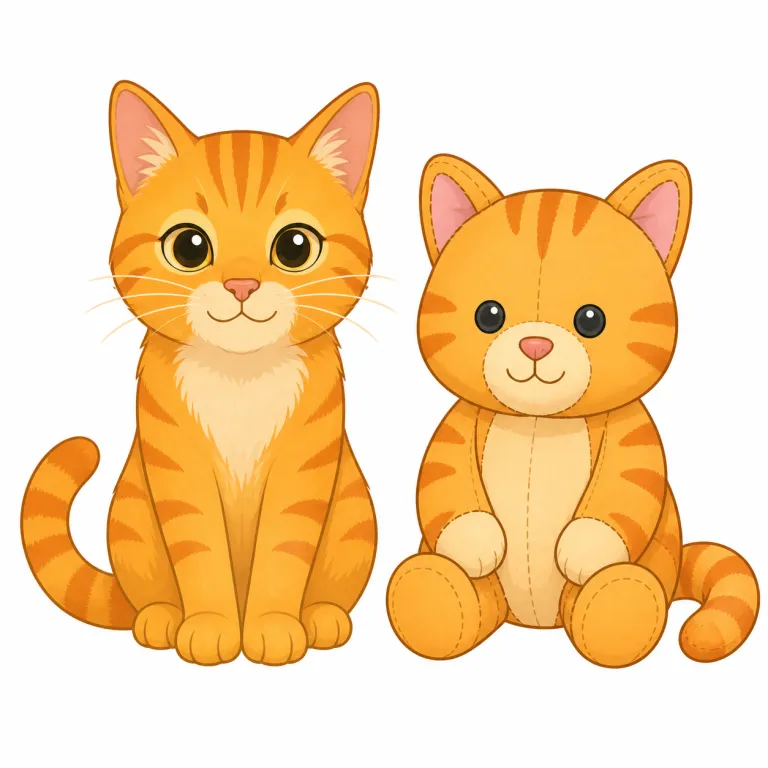
解説 Definition
「~のような」という意味の接続詞・前置詞で、二つのものを比較して類似性を示す際に使われます。「まるで~のように」という比喩表現や、例を挙げる際の「例えば~のような」という用法が一般的です。動詞の「好む・気に入る」とは別の用法です。
Like can mean similar to someone or something, or in the same way. It is very common in spoken and written English when comparing things, people, or actions. The exact grammar can change depending on the sentence, so it may act like a preposition, conjunction, or other linking word.
覚え方のコツ Memory Tip
like はまず look like, sound like, feel like の3点セットで覚えると残りやすいです。どれも『見た感じ/聞こえ方/感触が~のようだ』で、共通して“同じではないが似ている”を表します。文中で like の後ろに名詞が来たら『~のように』の合図。動詞の like『好き』と形は同じでも、比較の like は好みではなく類似を示す、と切り分けると混乱しません。as は役割や実際の立場、like は見た目や感じの近さ、という対比も有効です。
Remember `like` through the set `look like`, `sound like`, and `feel like`. In all three, the idea is similarity, not exact sameness. This helps separate it from the verb `like` meaning "enjoy".
例文
The lake was so calm it looked like a mirror.
その湖はとても穏やかで、まるで鏡のように見えました。
She sings like a professional even though she never had lessons.
彼女はレッスンを受けたことがないにもかかわらず、プロのように歌います。
Some fruits, like oranges and lemons, are rich in vitamin C.
オレンジやレモンのような果物には、ビタミンCが豊富に含まれています。
えいたんごクイズでの正答率
この語をはじめて出題された 32人 のうち 30人 が正解しました(94%)。
えいたんごクイズの回答から集計した独自データです。1人につき最初に出題されたときの1回だけを数えており、復習や2回目以降の回答、「わからない」と時間切れは含みません。 集計時点は 2026年9月19日 です。
like の類義語・関連語
like を含む表現
句動詞・イディオムなど 19 件。クリックで各表現の詳細へ。
- i like this one これが好きだ L2
- i like this one これがいい L6
- i'd like a salad, please サラダをお願いします L6
- would like to ~ ~したいのですが L6
- like clockwork 正確に規則的に L9
- like a kid in a candy store 大はしゃぎ L11
- like a duck to water すぐ慣れて L12
- like taking candy from a baby とても簡単 L12
- like a deer in headlights 動揺して固まる L14
- like a moth to a flame 危険に引き寄せられ L14
- like herding cats 統率困難で L15
- like a bear with a sore head 不機嫌で L16
- like a cat on a hot tin roof そわそわして L16
- and the like など L17
- like a bat out of hell 猛スピードで L17
- like a dog with a bone しつこくこだわる L17
- like a bull at a gate 無鉄砲に急いで L20
- like a fish needs a bicycle 全く不要で L21
- like a rat up a drainpipe 素早く L21
like の語源・成り立ち Etymology
古英語の lician に由来し、「喜ばせる」「気に入る」という意味で使われていました。そこから、人や物に対してよい気持ちをもつという今の意味につながりました。
Like comes from Old English lician, meaning “to please” or “to be pleasing.” Over time, it came to express having a good feeling toward something.
同じレベルの語彙をもっと
英検4級の一覧へ →外部辞書で調べる
この英単語をクイズで覚えよう