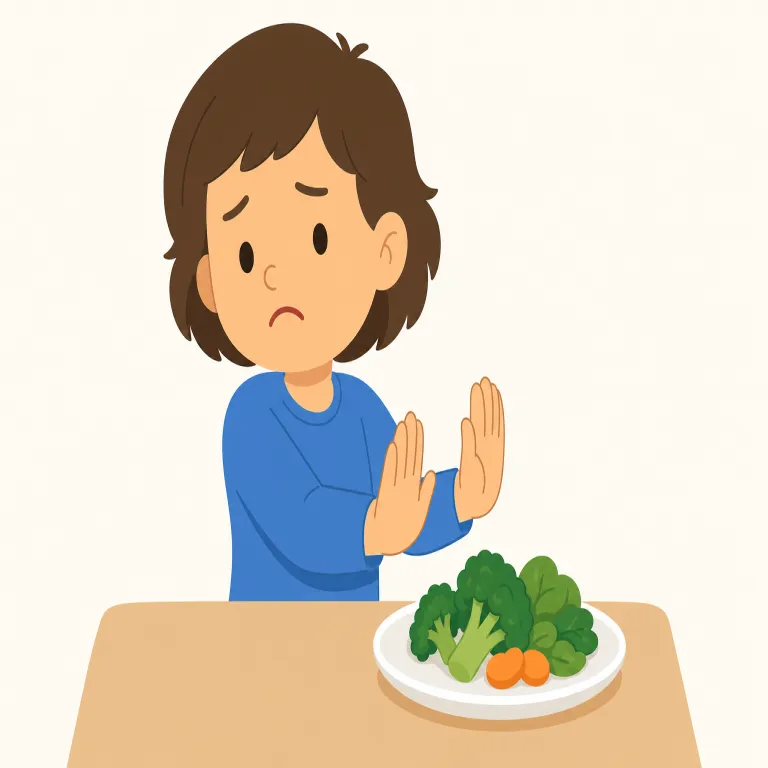
dislike
dislike は英検4級・TOEIC 600レベルの英単語で、「嫌う」という意味があります。発音記号は /dɪsˈlaɪk/ です。
嫌う
解説 Definition
何かや誰かを好ましく感じず、受け入れたくないという否定的な気持ちを表す動詞です。憎しみや嫌悪ほど強くはなく、ただ好意的になれないという穏やかな距離感を示します。食べ物や習慣、行動などへの好みを述べるときに使われることが多いです。
To dislike means to not like someone or something. It expresses a negative feeling, but it is usually weaker than hate. The word is common in everyday conversation for opinions, preferences, and reactions.
覚え方のコツ Memory Tip
まず like を核に覚えるとよい語です。dis- が付くと「反対・打ち消し」なので、dislike は文字どおり「like ではない」。ただし hate ほど強くなく、「積極的に好きではない」「避けたい」くらいの温度感だと定着しやすいです。I dislike spicy food, dislike waiting のように名詞・動名詞を続けやすく、好みや習慣への軽い拒否感でよく使います。like / dislike の対で覚え、強さは dislike < hate、また unlike は「〜と違って」という別語だと分けると混同しにくいです。
Use "like" as the base and add "dis-," a prefix that often gives the opposite idea. So "dislike" is softer than "hate" and often means "not really like." Remember easy patterns like "dislike spicy food" and keep it separate from "unlike," which is a different word.
例文
I dislike loud music.
私は大音量の音楽が嫌いです。
She dislikes rainy days.
彼女は雨の日が嫌いです。
They dislike crowded buses.
彼らは混んだバスが嫌いです。
えいたんごクイズでの正答率
この語をはじめて出題された 39人 のうち 34人 が正解しました(87%)。
えいたんごクイズの回答から集計した独自データです。1人につき最初に出題されたときの1回だけを数えており、復習や2回目以降の回答、「わからない」と時間切れは含みません。 集計時点は 2026年9月19日 です。
dislike の類義語・関連語
類義語
紛らわしい語
dislike の語源・成り立ち Etymology
dislike は dis-『否定・離れて』+like。like は古英語 lician『好ましく思う、気に入る』で、文字どおり『好ましいと感じない』が dislike です。likely や alike にも同じ like が残り、“合う”感覚が意味の芯にあります。
"Dislike" is made from "dis-," meaning negation or separation, and "like." "Like" comes from Old English "lician," meaning to please or suit. So the word originally meant simply "not find pleasing," and related words such as "likely" and "alike" show the older idea of things fitting or matching.
同じレベルの語彙をもっと
英検4級の一覧へ →外部辞書で調べる
この英単語をクイズで覚えよう