
disdain
disdain は英検1級レベルの英単語で、「軽蔑する、軽蔑」という意味があります。発音記号は /dɪsˈdeɪn/ です。
軽蔑する
/ noun 名詞 軽蔑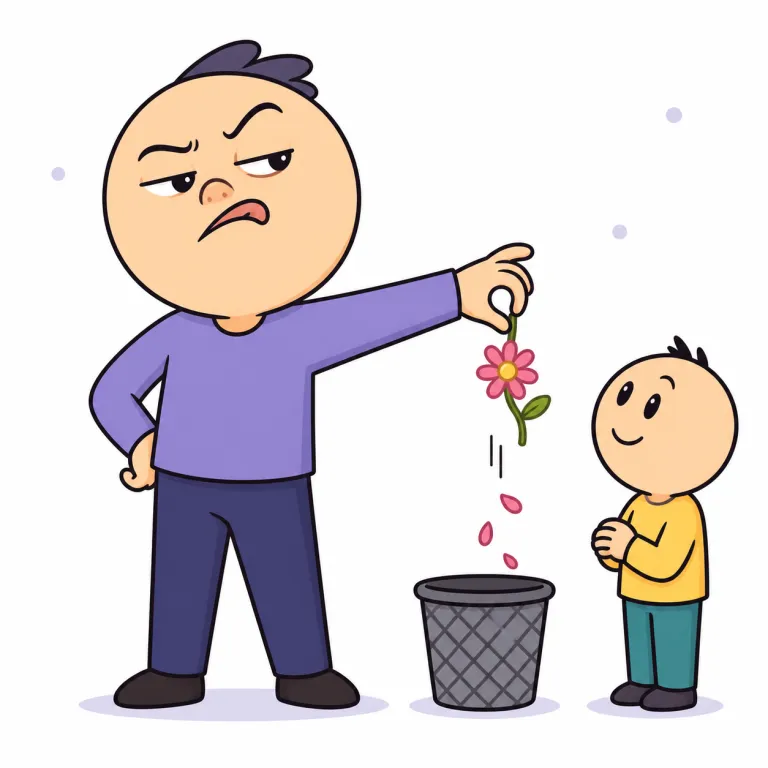
解説 Definition
他者の価値や能力を自分より低いと判断し、相手を軽く扱う気持ちや態度。相手を尊重せず、見下すような判断や言動をすること。
To disdain someone or something means to look down on them and feel that they are not worthy of respect. It is stronger than simple dislike and suggests pride or contempt. The word is more common in formal English.
覚え方のコツ Memory Tip
「軽蔑する」は hate のような強い嫌悪というより、“嫌う”より“見下す”感じだと押さえると残りやすい。dis- が入る語は否定・拒否の響きが多く、disapprove, distrust などと同じく相手を受け入れない方向。名詞形 disdain も頻出で、with disdain, a look of disdain をセットで覚えると実戦的。怒っているというより、「相手は自分より下だ」という冷たい態度を示す語。despise と近いが、disdain は上から鼻で笑うニュアンスがより強い。
`Disdain` is not just strong dislike like `hate`; it has the extra feeling of looking down on someone. That is why it is close to `despise`, but colder and more proud. Remember useful phrases such as `with disdain` and `a look of disdain`. Those show the word often appears in attitude and expression, not only in actions.
例文
She disdained the offer, feeling it was far below her abilities.
彼女はその申し出が自分の能力をはるかに下回ると感じ、軽蔑的に退けた。
He disdained people who didn't work hard, calling them lazy.
彼は一生懸命働かない人たちを怠け者だと言って見下していた。
The celebrity disdained the paparazzi and refused to acknowledge them.
その有名人はパパラッチを軽蔑し、彼らを無視した。
disdain の類義語・関連語
対義語
紛らわしい語
disdain の語源・成り立ち Etymology
「disdain」は古フランス語 desdeignier に由来し、des-「反対に」+ deignier「値すると思う」が元。文字どおりには「値しないものとして扱う」で、そこから「軽蔑する」になった。同根語に deign や dignity がある。
Disdain came into English from Old French desdeignier, based on des- and deignier, "to think worthy." Its literal sense was to treat something as not worthy, which then became the idea of looking down on it with contempt. It shares a root with deign and dignity.
同じレベルの語彙をもっと
英検1級の一覧へ →外部辞書で調べる
この英単語をクイズで覚えよう