dismay
dismay は英検1級レベルの英単語で、「落胆、狼狽、うろたえさせる」という意味があります。発音記号は /dɪsˈmeɪ/ です。
意味一覧 (2件)
落胆、狼狽
解説 Definition
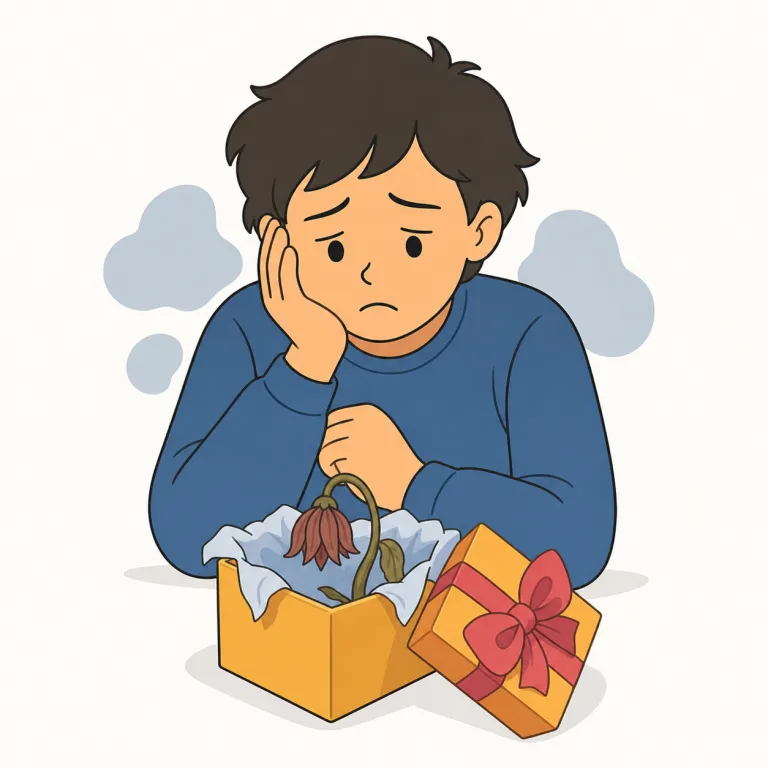
急激な失望や悲しみを感じることを意味します。予想外の悪い知らせを受けて強い動揺や不安を抱く状態です。人が希望を失い、どう受け止めていいかわからなくなるような反応を指します。
Dismay is a feeling of shock, worry, or disappointment caused by something unpleasant. It is used when a situation makes someone suddenly feel discouraged or upset. The word is slightly formal and often appears in written English.
覚え方のコツ Memory Tip
dis- は disconnect, dislike などと同じく「崩す・離す」方向の接頭辞と見ると覚えやすい。dismay は単なる sadness ではなく、予想外の悪い知らせや失敗で気持ちがくじかれ、どう受け止めるか一瞬止まる感じ。名詞では to one's dismay「がっかりしたことに」、with dismay「落胆して」が頻出。disappointment より強く、shock ほど激烈ではない“強い落胆と動揺”として置くと記憶に残る。
The prefix `dis-` often gives a negative or broken feeling, and that helps with `dismay`. It is not just simple sadness, but the shock of bad news or failure that leaves you unsettled. Remember the common phrase `to one's dismay`.
例文
The news of the accident filled us with dismay.
事故の知らせに私たちは大きな衝撃を受けた。
She looked at the broken vase in dismay.
彼女は割れた花瓶を見て、困惑した表情を浮かべた。
The team's poor performance was met with dismay.
チームの不振は落胆を招いた。
えいたんごクイズでの正答率
この語をはじめて出題された 52人 のうち 46人 が正解しました(88%)。
えいたんごクイズの回答から集計した独自データです。1人につき最初に出題されたときの1回だけを数えており、復習や2回目以降の回答、「わからない」と時間切れは含みません。 集計時点は 2026年9月19日 です。
うろたえさせる
(意味 2)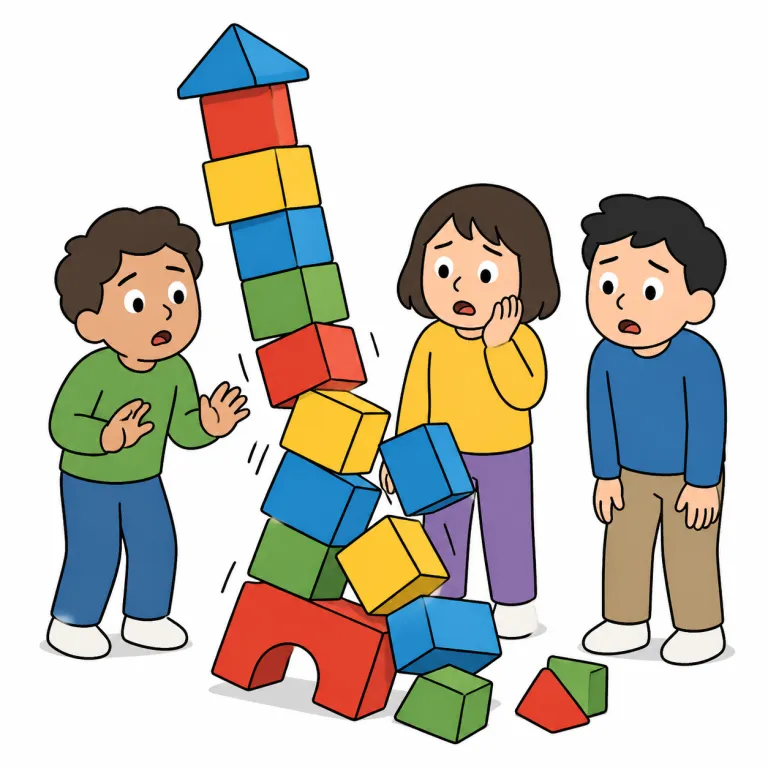
解説 Definition
動詞の dismay は、悪い知らせや予想外の事態が人を強く動揺させることを表す。単にがっかりさせるだけでなく、不安や狼狽まで引き起こす響きがある。結果、被害、発言、報告などが主語になることが多い。
To make someone feel deeply upset and alarmed by bad news or an unexpected event. It implies not only disappointment but also anxiety or confusion.
覚え方のコツ Memory Tip
dismay は「悪い事実が人を強く動揺させる」という動詞で、悪い知らせや結果を主語、人を目的語に置きます。The drop dismayed the team なら、売上急落がチームをうろたえさせたという因果関係です。単なる失望よりも、不安や狼狽まで起こる強い衝撃を含みます。
Remember the pattern “Something dismays someone”: the cause is the subject, and the affected person is the object. For example, in “The news dismayed her,” the news caused her emotional distress.
例文
The sudden drop in sales dismayed the team.
売り上げの急落はチームをうろたえさせた。
The lack of safety checks dismayed the workers.
安全点検が不十分なことに、作業員たちは動揺した。
His harsh comments dismayed the students.
彼の厳しい発言は学生たちをうろたえさせた。
dismay の類義語・関連語
対義語
dismay の語源・成り立ち Etymology
dismayは古フランス語esmaierに由来し、さらにex-「外へ」+ ゲルマン系magan「力がある」に結びつくとされます。つまり元は「力を外へ抜かれる」感覚で、がっかりや落胆は気分より先に勢いを奪われる状態だとわかります。mayやmightも同じ根です。
Dismay comes through Old French esmaier and is linked to a Germanic root meaning "strength" or "power." The older idea was of being deprived of strength or courage. From that, the word developed into the feeling of shock, fear, or discouragement. It is related to English may and might.
同じレベルの語彙をもっと
英検1級の一覧へ →外部辞書で調べる
この英単語をクイズで覚えよう