抑止、思いとどまらせること
noun 名詞人にある行動をさせないよう意欲をそぐこと、またはその妨げとなる事情を指します。行為には不可算名詞として、具体的な障害には a discouragement to の形で可算名詞として使われます。
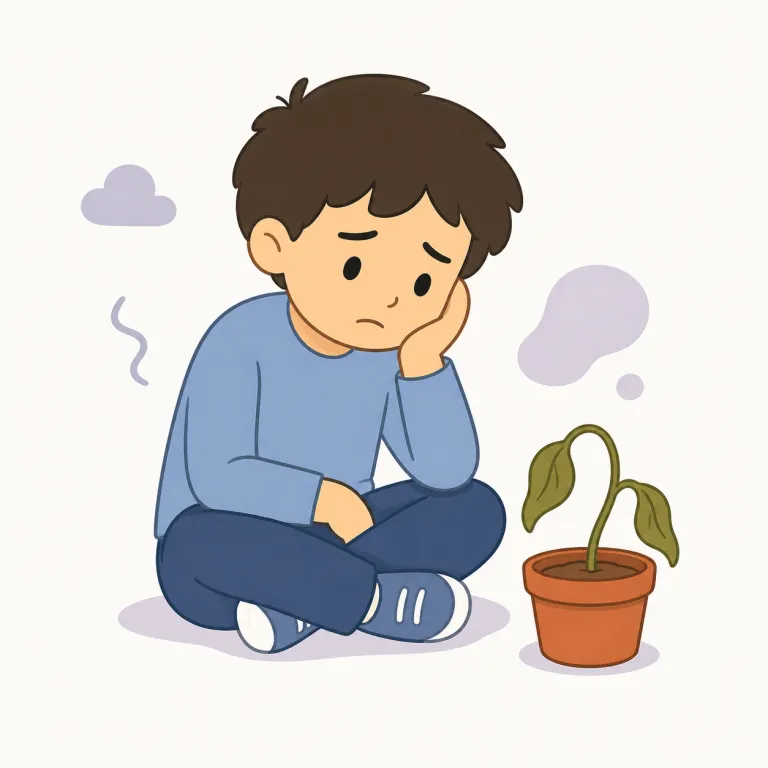
discouragement は英検1級レベルの英単語で、「落胆」という意味があります。発音記号は /dɪsˈkɝɪdʒmənt/ です。
希望を失うことや落ち込んだ気分になることを指します。困難な状況で心が折れたり、やる気を失う状態です。
Discouragement is the feeling of losing confidence, hope, or enthusiasm. It often appears when progress is slow, problems continue, or someone feels unsupported. The word can also refer more generally to something that makes a person less willing to continue.
まず encourage を軸にすると覚えやすい。encourage は「勇気づける」なので、先頭の dis- が付くと向きが反転し、「勇気をくじく・やる気を失わせる」感覚になる。さらに -ment が付くと動作ではなく、その結果として生じた状態を表す名詞になり、discouragement は「落胆・意気消沈」。disappointment が期待外れの一回のがっかりにも使えるのに対し、discouragement は失敗や困難が続いて心が折れそうな文脈で出やすい。
Use `encourage` as the base word. The prefix `dis-` reverses the direction, so it gives the feeling of losing courage, and `-ment` turns that into a noun. Compared with `disappointment`, `discouragement` often suggests ongoing difficulty that slowly weakens motivation.
The team felt discouragement after losing the championship.
そのチームは選手権に敗れた後、落胆を感じました。
Despite discouragement, she continued to pursue her dreams.
落胆にもかかわらず、彼女は自分の夢を追い続けました。
The discouragement in his voice revealed his frustration.
彼の声ににじむ落胆から、彼の苛立ちが伝わってきました。
文脈によって、次の意味でも使われます。
人にある行動をさせないよう意欲をそぐこと、またはその妨げとなる事情を指します。行為には不可算名詞として、具体的な障害には a discouragement to の形で可算名詞として使われます。
discouragement は古フランス語 decouragier 系で、dis-「反対に」+ courage「心・勇気」+ -ment から成ります。courage はラテン語 cor「心」にさかのぼるので、これは「心をくじくこと」。関連語は courage、encourage。
Discouragement comes from discourage plus -ment. Discourage is built from dis- and courage, and courage goes back through French to Latin cor, meaning "heart." The history of the word shows the idea of taking heart away, and it is closely related to courage and encourage.
この英単語をクイズで覚えよう