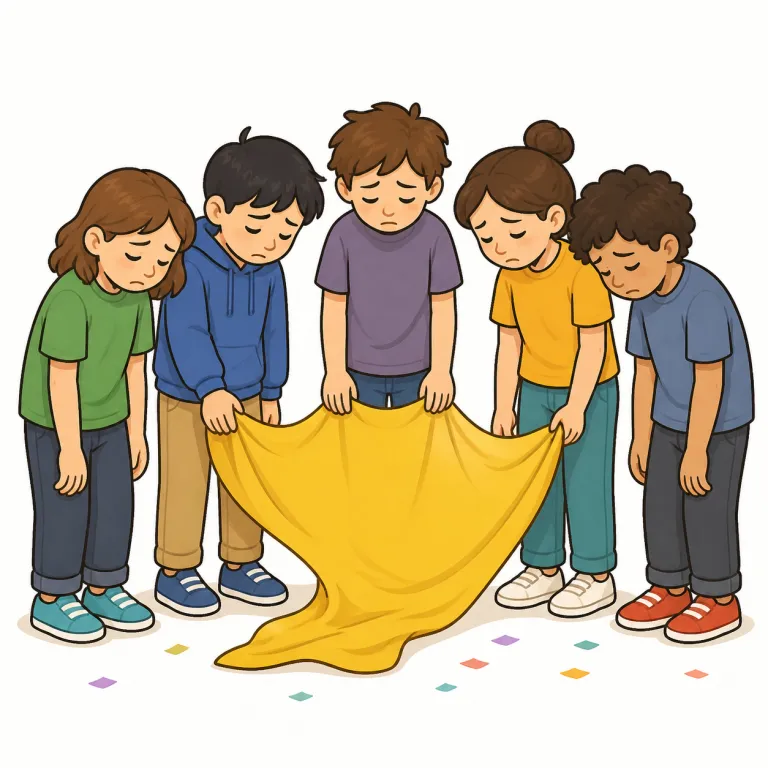
士気の低下
解説 Definition
士気や自信がくじかれ、やる気や戦う気が低下することです。個人にも集団にも使えますが、特に軍隊・職場・チームなどで意欲が崩れる状態を指します。
Demoralization is the feeling of losing confidence, hope, or enthusiasm. It often happens when people face repeated failure, criticism, or difficult conditions. The word is common when talking about teams, workers, or soldiers whose spirit becomes weak.
覚え方のコツ Memory Tip
核は morale「士気」。team morale, boost morale を先に押さえると、de- が付いた demoralize は「士気を下げる」、-ation でその状態を表す名詞だとつながります。単なる sadness や discouragement より、個人や組織のやる気・戦う気が崩れて空気までしぼむ感じ。low morale, employee demoralization のような職場・軍隊・チーム文脈で結び付けると定着しやすいです。moral「道徳」と綴りが近い点は要注意。
Start with `morale`, a common word in team or workplace English: `team morale`, `boost morale`. Add `de-`, which often shows removal or reduction, and you get the idea of morale going down. The ending `-ation` turns it into a noun, so think of the whole process or condition. Be careful not to confuse `morale` with `moral`.
例文
The demoralization of the troops after the military defeat was evident.
敗戦後、部隊の士気が低下しているのは明らかだった。
Economic hardship led to widespread demoralization in the community.
経済的困難はコミュニティ内の広範な士気の低下につながった。
Leadership initiatives aimed to combat demoralization and rebuild morale.
指導者たちの取り組みは、士気の低下を食い止め、士気を立て直すことを目指していた。
demoralization の類義語・関連語
demoralization の語源・成り立ち Etymology
demoralization は de-「下げる・失わせる」+ moral「道徳・気力」+ -ize + -ation から成ります。ラテン語 mores「慣習」に由来する moral が土台で、「気持ちの支えを崩すこと」から「士気の低下」になりました。関連語は moral, morale です。
Demoralization is built from de-, moral, -ize, and -ation. Moral comes from Latin mores, meaning "customs" or "ways of behavior," and later also gave English morale. The word first suggested breaking down someone's moral or mental support, and from that it developed the sense of loss of spirit or confidence.
同じレベルの語彙をもっと
外部辞書で調べる
この英単語をクイズで覚えよう