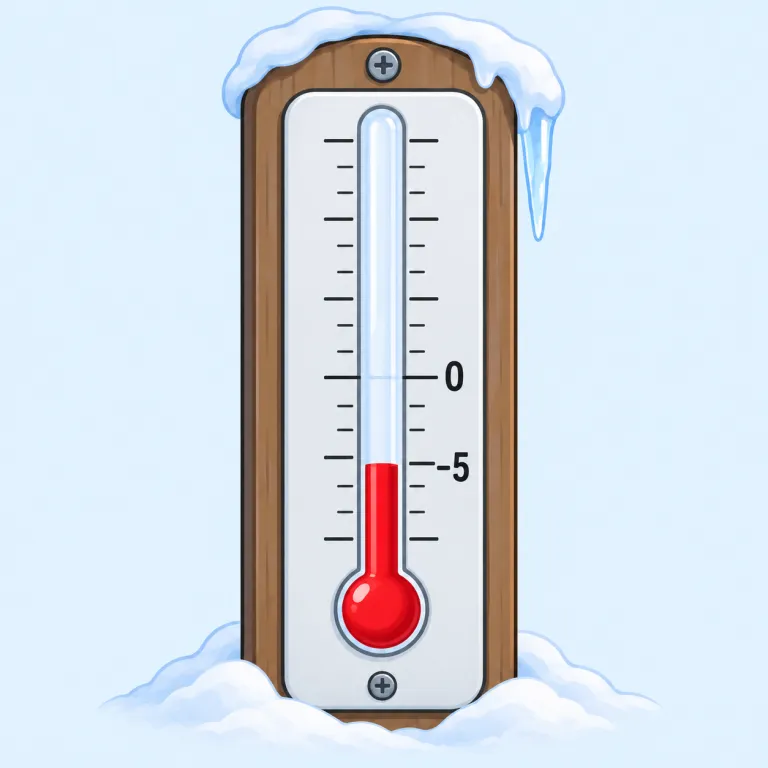
負の、マイナスの
解説 Definition
数量や値がゼロより小さいこと、または収支や残高が不足している状態を表す形容詞。数学では負数、会計では赤字やマイナス残高、科学では負極や陰性など、基準より下回る意味で使われる。文脈に応じて「負の」「マイナスの」と訳し分ける。
Negative describes something bad, harmful, or not hopeful. It is also used for numbers below zero, electric charge, or test results that show something is not present.
覚え方のコツ Memory Tip
negative はまず positive の反対として覚えると整理しやすい語です。数なら 0 より下、収支ならマイナス、評価や態度なら好ましくない・否定的、検査なら陰性、というように「基準より下」「肯定ではない」方向で意味がまとまります。a negative effect, negative attitude, negative balance などの組み合わせで触れると定着しやすいです。bad と完全に同じではなく、感情評価よりも「否定側に振れる」という客観的な響きがある点も意識すると使い分けやすくなります。
For this word, picture the minus sign `-`. In math and science, `negative` often appears in phrases like `negative number`, `negative value`, or `negative balance`. A good memory hook is that `positive` is above or plus, while `negative` goes below zero or shows lack.
例文
The temperature dropped to negative five degrees overnight.
気温は一晩でマイナス5度まで下がった。
A negative number multiplied by another negative number gives a positive result.
負の数に別の負の数を掛けると、正の数になる。
The account balance was negative at the end of the month.
月末には口座残高がマイナスになっていた。
えいたんごクイズでの正答率
この語をはじめて出題された 31人 のうち 31人 が正解しました(100%)。
えいたんごクイズの回答から集計した独自データです。1人につき最初に出題されたときの1回だけを数えており、復習や2回目以降の回答、「わからない」と時間切れは含みません。 集計時点は 2026年9月19日 です。
否定的な
(意味 2)
解説 Definition
人や意見、反応などが賛成ではなく、反対・批判・不満の方向を向いているときに使う。会話、評価、報道などで広く使われ、暗い見方や前向きでない態度を表すことも多い。単に「悪い」よりも、相手を認めない感じが出やすい。
Describes an opinion, reaction, or attitude that expresses criticism, opposition, or dissatisfaction. It can also describe a pessimistic approach that focuses on problems instead of possibilities.
例文
She had a negative attitude toward the idea.
彼女はその案に否定的な態度を示した。
The article received many negative comments online.
その記事にはネット上で否定的なコメントが多く集まった。
Try not to be negative before we test the plan.
計画を試す前から否定的にならないで。
陰性の
(意味 3)
解説 Definition
医療や検査の文脈で、病気・ウイルス・薬物反応などが検出されなかったことを表す。検査結果や診断書でよく使われ、陽性の反対語として現れる。陰性でも感染や異常が完全に否定されるとは限らない。
Describes a medical or screening result in which a disease, virus, drug reaction, or other target was not detected. Such a result does not always completely rule out infection or another abnormality.
覚え方のコツ Memory Tip
negative はまず positive「陽性の」の反対として覚えると整理しやすい語です。検査では、探しているウイルスや薬物反応などが「出なかった」結果が negative。test negative for ..., a negative result の形で覚えると実戦的です。性格や態度の「否定的な」と同じ単語ですが、この語義では感情が暗いのではなく、検査項目が検出されないという客観的な結果を表します。
Remember negative as the opposite of positive in test results: the thing being tested for did not appear. Learn the patterns “test negative for something” and “a negative result.” Here it describes an objective test outcome, not a pessimistic attitude.
例文
The test result was negative.
検査結果は陰性だった。
He tested negative for the virus yesterday.
彼は昨日、そのウイルスの検査で陰性だった。
A negative result does not always rule out infection.
陰性の結果でも、必ずしも感染が否定されるわけではない。
否定の
(意味 4)
解説 Definition
文法や論理で、ある内容を打ち消したり「そうではない」と示したりする性質を表す。否定文、否定語、否定の返答などの形で使われ、感情的に批判する「否定的な」とは別の用法である。学校英語でもよく見かける。
Describes a grammatical or logical form that denies, rejects, or cancels a statement. It is used for sentences, words, and replies that express that something is not the case.
覚え方のコツ Memory Tip
`negative` は `positive` の反対で、「肯定ではない側」と考えると整理しやすい語です。文法では `not` や `never` のように内容を打ち消す働きをするので、`negative word` は「否定語」、`negative sentence` は「否定文」です。評価の「否定的な」という意味もありますが、ここではまず「文を肯定から否定にする」と結び付けて覚えましょう。
Think of negative as the opposite of positive or affirmative. In grammar, words such as “not” and “never” make a statement negative. Connect it with phrases such as “negative word,” “negative sentence,” and “negative form.”
例文
'Not' is a negative word in English.
not は英語の否定語である。
Change the sentence into the negative form.
その文を否定形に変えなさい。
A negative sentence often includes the word 'not'.
否定文にはしばしば not という語が入る。
えいたんごクイズでの正答率
この語をはじめて出題された 30人 のうち 27人 が正解しました(90%)。
えいたんごクイズの回答から集計した独自データです。1人につき最初に出題されたときの1回だけを数えており、復習や2回目以降の回答、「わからない」と時間切れは含みません。 集計時点は 2026年9月19日 です。
negative の類義語・関連語
negative の語源・成り立ち Etymology
negative はラテン語 negativus に由来し、negare「否定する」+ 形容詞語尾 -ivus から成ります。negate や deny も同じ neg- の仲間で、否定的とは単に暗いのでなく、まず「そうではない」と打ち消す向きから生まれた語だと分かります。
Negative comes from Latin negativus, from negare, meaning "to deny" or "say no." Its earliest sense was about refusal or denial rather than emotion. That is why related words like negate keep the basic idea of cancelling or denying something.
同じレベルの語彙をもっと
外部辞書で調べる
この英単語をクイズで覚えよう