shabby
shabby は英検準1級・TOEIC 860・TOEFL 80・IELTS 6.5レベルの英単語で、「みすぼらしい、ひどい、不当な」という意味があります。発音記号は /ˈʃæbiː/ です。
意味一覧 (2件)
みすぼらしい
解説 Definition
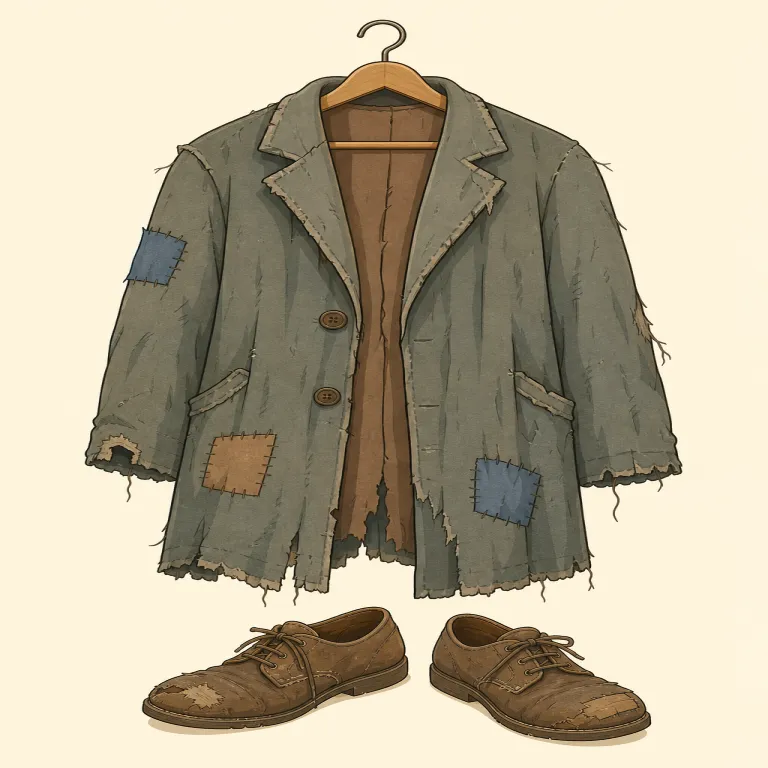
汚れていてぼろぼろで、見栄えが悪い状態のこと。貧困や長年の使用により、物が傷んで貧相に見える様子を表します。
If something is shabby, it looks old, worn, or untidy because it has not been cared for well. It can describe clothes, furniture, buildings, or even treatment that feels unfair and disrespectful. The word often suggests neglect or poor quality.
覚え方のコツ Memory Tip
shabby は「見た目がくたびれていて安っぽい」と覚えると定着しやすい語です。服・部屋・家具など、長く使われて擦り切れ、手入れ不足で印象が悪い場面に乗りやすい。単なる old ではなく「古い+みすぼらしい」が核心。smart や neat の反対側に置くと整理しやすいです。a shabby coat, a shabby apartment のように外見の荒れを言うことが多く、人に使うと「身なりがだらしない」の響きになります。
Think of `shabby` as more than just `old` - it feels old, worn, and uncared for. It is often used with clothes, rooms, or furniture: `a shabby coat`, `a shabby apartment`. Put it opposite words like `neat` or `smart` to remember the feeling.
例文
The shabby furniture in the old house needed to be replaced.
古い家のみすぼらしい家具は、買い替える必要がありました。
He lived in a shabby apartment with peeling paint and broken windows.
彼はペンキが剥がれて窓が壊れたみすぼらしいアパートに住んでいました。
The shabby condition of the building reflected years of neglect.
建物のみすぼらしい様子が、長年放置されてきたことを物語っていました。
ひどい、不当な
(意味 2)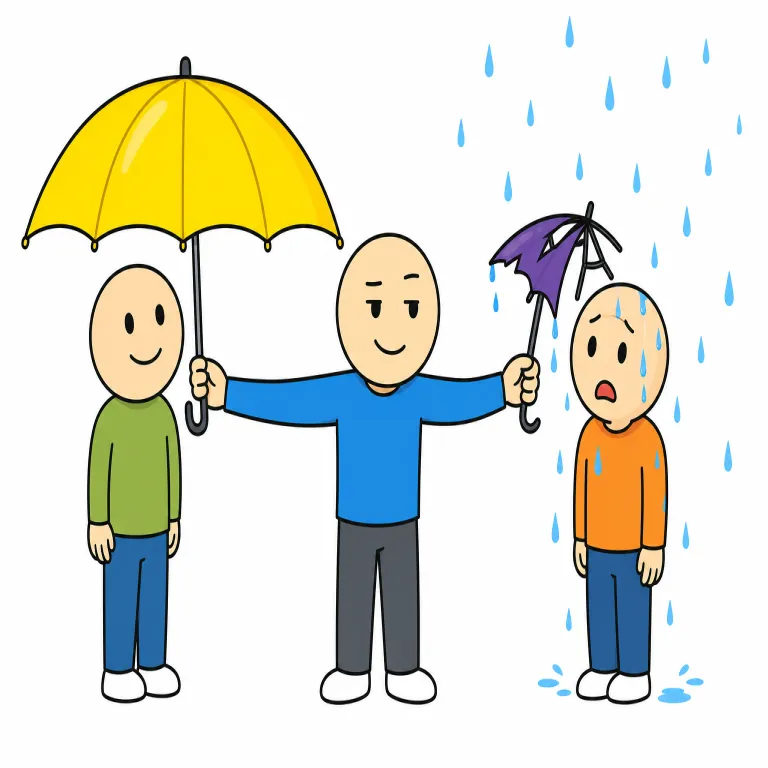
解説 Definition
人や組織の扱い、言動、決定などが相手に対してひどく、公正さや思いやりを欠いているときに使う。外見が古びているという意味ではなく、shabby treatment や shabby trick のように「不当で卑劣だ」と強く非難する語。感謝すべき相手を粗末に扱う場面や、不誠実なやり方を責める文脈でよく現れる。
Describes treatment, behavior, or a decision that is seriously unfair, inconsiderate, or dishonorable. It strongly criticizes someone for treating another person poorly or using a mean and dishonest method.
覚え方のコツ Memory Tip
shabby は外見の「みすぼらしい」だけでなく、人への扱いややり方が『粗末でひどい』と覚えるとこの語義に合います。感謝すべき相手を雑に扱う、功績を無視する、不誠実な手を使うような場面で shabby treatment, shabby trick と言う。単なる unfair より、相手を軽んじる卑劣さ・思いやりのなさがにじむ語です。a shabby coat なら服の見た目ですが、shabby of them なら行為への強い非難だと切り分けると整理しやすいです。
Picture someone treating a deserving person as though they were unimportant or using a shabby trick to get an advantage. In this sense, the word judges conduct rather than describing worn or untidy clothing, and it often carries stronger moral criticism than unfair.
例文
He received shabby treatment from the company after ten years of service.
彼は十年間勤めたのに、会社からひどい扱いを受けた。
It was shabby of them to leave her name off the report.
報告書から彼女の名前を外すなんて、彼らはひどいことをした。
Calling him a liar without any proof was a shabby thing to do.
何の証拠もなく彼をうそつき呼ばわりするのは、ひどい行為だった。
shabby の類義語・関連語
shabby の語源・成り立ち Etymology
語源はやや不確かですが、古い英語系の shab「かさぶた・皮膚病」に結びつくとされ、-y で性質を表す形です。scab や scabies と同根で、もとは「皮膚が荒れて見苦しい」感じだったため、shabby が「みすぼらしい・粗末な」へ広がったとわかります。
Shabby has an uncertain origin, but it is often linked to an old English word shab, referring to scabs or a skin disease. That root is related to words like scab and scabies. The sense seems to have moved from rough, damaged skin to a general idea of something looking poor, worn, or neglected.
同じレベルの語彙をもっと
英検準1級の一覧へ →外部辞書で調べる
この英単語をクイズで覚えよう